Could Ethiopia’s Push for Red Sea Access Deepen Its Rivalry With Egypt?
Ethiopia’s push for Red Sea access is reviving old tensions with Egypt, with a former minister accusing Cairo of working to block its maritime ambitions.
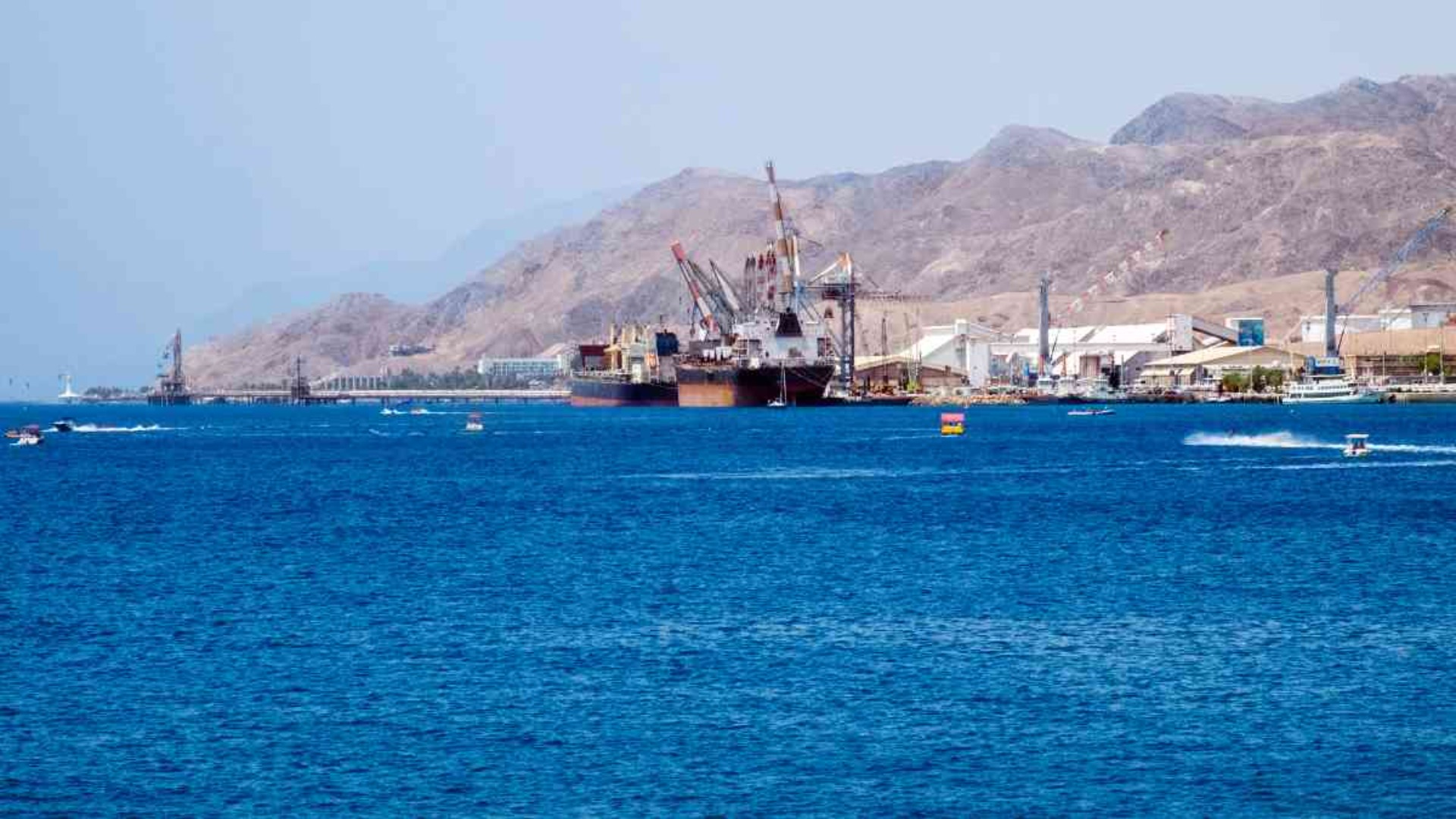
What happens when a landlocked country believes access to the sea is essential to its future, while a regional power sees its growing ambitions as a potential threat?
For Ethiopia, access to the Red Sea has increasingly become a strategic priority. The country lost its coastline after Eritrea became independent in 1993, leaving Africa’s second-most populous country dependent on neighbouring states for access to ports.
The issue has now become another source of tension between Ethiopia and Egypt, whose relationship is already strained by their long-running dispute over the Nile and the Grand Ethiopian Renaissance Dam (GERD).
A former Ethiopian minister and ambassador, Shiferaw Jarso, has accused Egypt of attempting to undermine Ethiopia’s efforts to secure maritime access by exploiting internal political tensions and supporting forces that, in his view, have worked against Ethiopia’s interests.

Why Is Ethiopia So Focused on the Red Sea?
Ethiopia has argued that remaining landlocked creates major economic and strategic challenges for a country with a large population, a growing economy and expanding international trade.
The loss of the ports of Massawa and Assab following Eritrea’s independence fundamentally changed Ethiopia’s position in the Horn of Africa. Since then, the country has relied heavily on neighbouring countries, particularly Djibouti, for access to international shipping routes.
For Ethiopian policymakers, the issue is therefore about more than simply having another route for imports and exports.
With reliable maritime access is increasingly presented as a matter of economic development, national security and long-term sovereignty.
Earlier this year, Ethiopian Foreign Ministry spokesperson Nebiat Getachew Assegid said the country would continue pursuing maritime access through what he described as “peaceful and sustainable means.”
He also accused Egypt of attempting to obstruct Ethiopia’s efforts and create tensions in the region.
Egypt has rejected accusations that it is seeking to destabilise Ethiopia, and the broader dispute reflects competing strategic interests in a region where access to the Red Sea has become increasingly important.

What Is the Egyptian Connection Ethiopia Is Pointing To?
Former Water Minister and Ambassador, Shiferaw Jarso speaking to the Ethiopian News Agency (ENA), argued that Egypt’s opposition to Ethiopia’s maritime ambitions has deeper historical roots.
Shiferaw alleged that Egypt had historically supported separatist groups and political initiatives that weakened Ethiopia’s territorial unity. He connected those historical developments to Ethiopia’s eventual loss of direct access to the Red Sea.
He also referred to the role of Egyptian diplomatBoutros Boutros-Ghali, who later became Secretary-General of the United Nations, in diplomatic activities surrounding the Eritrean issue.
However, Ethiopia’s relationship with Eritrea and the events that eventually led to Eritrea’s independence were shaped by decades of armed conflict, domestic politics and wider international involvement.
The former minister’s interpretation therefore represents an Ethiopian political perspective on a complicated history.
After Eritrea gained independence in 1993, Ethiopia became landlocked and lost direct control of Massawa and Assab.

For Shiferaw, that development remains one of the most consequential events in modern Ethiopian history.
He argued that Ethiopia cannot permanently remain disconnected from the sea and described maritime access as a national issue affecting security, economic development and Ethiopia’s position in the Horn of Africa.
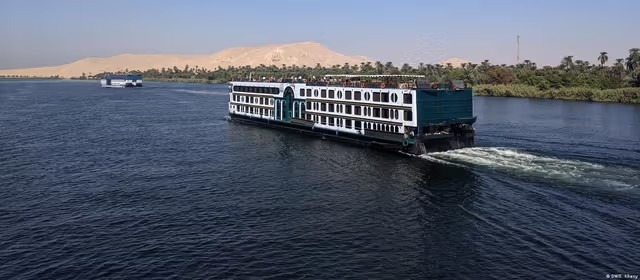
Why Does This Matter to Egypt?
Ethiopia’s Red Sea ambitions cannot be separated from its already difficult relationship with Egypt over the Nile.
The two countries have spent years disputing the Grand Ethiopian Renaissance Dam, which Ethiopia built on the Blue Nile near its border with Sudan.
For Ethiopia, the dam is primarily an energy and development project. It is expected to increase electricity generation, support industrialisation and expand access to power.
For Egypt, however, the Nile is a critical source of freshwater, making any development that could affect the river’s flow a major national concern.
The disagreement has repeatedly produced diplomatic tensions, particularly over how the dam should be filled and operated and whether Ethiopia should be required to coordinate its activities with downstream countries.
Egypt has consistently called for a legally binding agreement governing the operation of the GERD, while Ethiopia has defended its right to use its water resources for development.
The Red Sea issue now adds another strategic dimension to that rivalry.
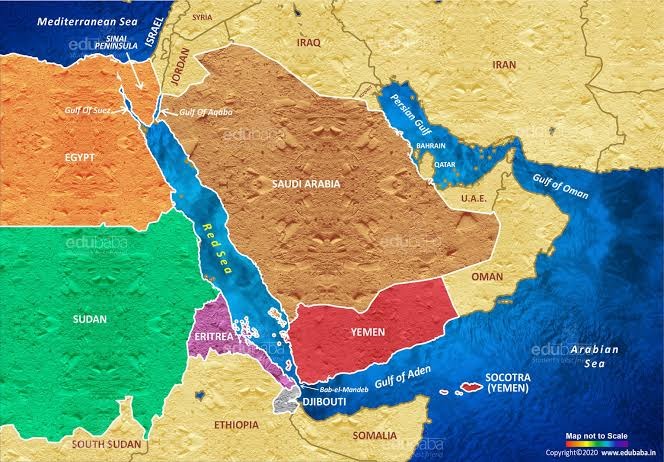
Could Red Sea Access Change Ethiopia’s Position in the Region?
Ethiopia’s search for maritime access is unlikely to disappear.
Its population, economy and trade needs continue to grow, while its dependence on foreign ports remains an important economic and strategic consideration.
The country has explored different approaches to securing access, including negotiations and agreements involving neighbouring states. Any long-term arrangement, however, would need to balance Ethiopia’s interests with the sovereignty and security concerns of countries along the Red Sea.
At the same time, Egypt has its own strategic interests in the Red Sea, the Horn of Africa and the Nile basin.
That makes Ethiopia’s maritime ambitions more than a question of ports.
They form part of a much larger competition over influence, trade routes, water security and regional power.
The challenge for Ethiopia will be finding a sustainable path to the sea without turning its search for economic and strategic independence into another source of prolonged regional confrontation.
For Egypt, the question will be whether Ethiopia’s growing regional ambitions can be accommodated without threatening Cairo’s own security interests.
With the Nile dispute still unresolved, Ethiopia’s push for Red Sea access could become another major test of relations between two of Africa’s most influential countries.