Coco Chanel's Enduring Style: 10 Iconic Photos Define 20th-Century Chic
Gabrielle "Coco" Chanel fundamentally transformed 20th-century women's fashion, introducing fluid designs like the "little black dress" and menswear-inspired tweed suits. This article explores the visual evolution of her iconic style across six decades, alongside acknowledging her controversial wartime past. Her enduring influence continues to shape fashion history.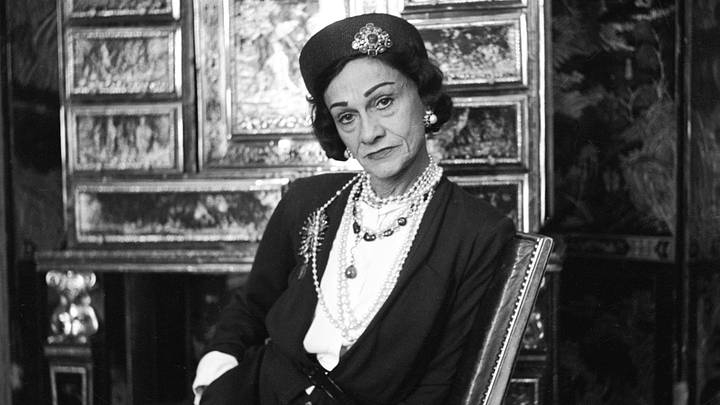
Gabrielle "Coco" Chanel revolutionized women's fashion in the early 20th century, fundamentally transforming clothing from restrictive, structured garments into a liberating second skin. Her vision was defined by fluid fabrics and an androgynous aesthetic, encapsulated by her famous quote: "A woman is closest to being naked when she is well dressed." Chanel's groundbreaking introductions, such as the iconic "little black dress" and menswear-inspired tweed suits, became synonymous with her style, redefining womenswear for generations to come. However, her complex legacy also includes a dark and controversial wartime past, marked by her documented collaboration with the Nazi regime during the occupation of Paris. Born on August 19, 1883, Chanel remains one of the most influential—and polarizing—figures in the annals of fashion history.
The visual evolution of Chanel's distinctive style can be traced across six decades, demonstrating her consistent departure from conventional fashion. As early as 1915, a portrait shows her in a draped white gown cinched with a floral-embellished waistline, an unstructured design that clearly signaled her early move away from tight, rigid corsetry. By 1924, her relationship with the Duke of Westminster exposed her to tweeds and relaxed tailoring, elements that would become hallmarks of her menswear-inspired aesthetic, as seen when she walked at the Chester Races in an oversized coat and slingback heels.
Her preference for relaxed leisurewear became central to her style, exemplified during her first visit to New York City in 1931, where she relaxed at Hotel Pierre in a white silk jacket, trousers, and pearls. In 1932, while seated at a London hotel desk, Chanel showcased her preference for polished yet practical pieces, wearing a dark fur-collared coat paired with a wool beret. An iconic Horst portrait from 1937 captures her sporting layered gold medallion necklaces and a hair ribbon, highlighting bold jewelry as a striking contrast against an otherwise simple dress.
Chanel made a significant fashion comeback in 1954 at the age of 71, returning to the helm of her couture house. Photographs from this period show her at her design table in a pocketed jersey jacket, pin-studded blouse, and grosgrain belt, actively reworking the tweed suit that would become one of her most recognizable and enduring designs. Her classic suit and layered pearls became a staple of her personal style by the 1960s, evident in images from her 1957 visit to Dallas—where she boarded her plane after a Neiman Marcus store opening—and in 1960, as she relaxed on her suede sofa at 31 Rue Cambon. Even in her later years, such as attending a Paris event with dancer Jacques Chazot in 1968, Chanel maintained an elegant and understated approach to her evening looks, often opting for a white gown with a matching stole. Through these transformations, Coco Chanel's indelible mark on fashion, characterized by comfort, elegance, and undeniable impact, is clearly visible.