Cocaine Crisis Looms: Ghana-Colombia Maritime Deal Sparks Outrage, Minority Demands Immediate Suspension
Ghana's Parliamentary Minority Caucus is demanding the immediate suspension of maritime and visa-waiver agreements with Colombia, citing national security concerns over cocaine trafficking. The call follows reports identifying Colombia as a leading cocaine departure country and Ghana as a significant origin for drug seizures in Europe. Lawmakers insist on a comprehensive security review to protect Ghana's ports and international standing.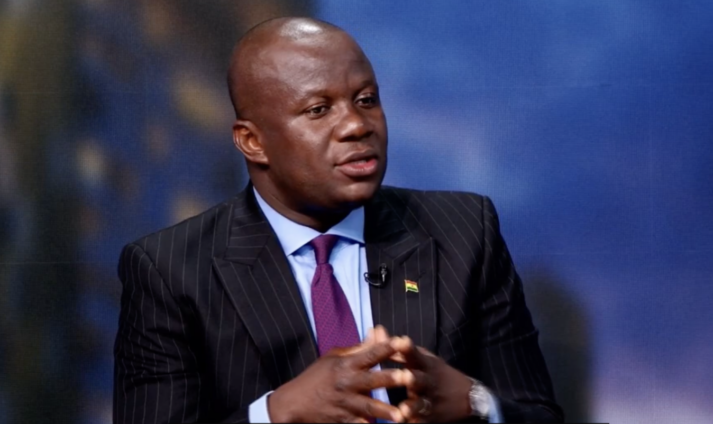
The Minority Caucus on Parliament’s Foreign Affairs Committee in Ghana is demanding the immediate suspension of the country’s maritime and port cooperation arrangement and bilateral visa-waiver agreement with Colombia.
This urgent call stems from escalating concerns regarding cocaine trafficking, which the Caucus describes as a significant national security threat.
The Minority’s stance is supported by Member of Parliament for Assin South, Rev. John Ntim Fordjour, who also advocates for the cancellation of the direct shipment deal, citing minimal economic benefit and serious security risks.
Ghana and Colombia entered into these bilateral arrangements earlier in 2026, which included a mutual visa-waiver agreement and a maritime trade arrangement linking Ghana's Port of Tema to Colombia's Port of Cartagena.
Government officials had initially presented the maritime corridor as an initiative to streamline trade, improve logistics, reduce transit times, and generate fresh business opportunities, transforming the Atlantic into a channel for economic growth between Africa and Latin America.
However, the Minority argues that these agreements require stringent scrutiny due to Colombia's established role as the world’s leading departure country for cocaine shipments, with the majority of trafficking occurring by sea.
They cite the United Nations Office on Drugs and Crime’s (UNODC) World Drug Report 2026, which identifies Colombia as the primary source of global cocaine shipments and a producer of approximately 70 percent of the world's cocaine.
Furthermore, a JoyNews report indicated that Belgian authorities ranked Ghana as the fifth-largest country of origin for cocaine seized at the Port of Antwerp, a critical entry point for drugs into Europe.
The Minority highlights Ghana's troubling position as the only African country and the only one outside Southern and Central America in this top five.
These developments have raised serious questions about the integrity of Ghana’s ports, its borders, customs controls, and anti-narcotics systems, thereby damaging the country’s international standing.
The Caucus points to repeated interceptions of multi-tonne cocaine consignments linked to Ghana, both domestically and internationally, as undeniable evidence of a growing crisis.
Rev. John Ntim Fordjour further questioned the government's rationale for approving a bilateral trade agreement involving the Port of Cartagena, a port widely known as a key route for significant volumes of drug shipments, especially given Ghana’s porous borders and under-resourced security agencies.
In response to these grave concerns, the Minority is calling for the immediate suspension of both the visa-waiver arrangement and the maritime and port cooperation agreements.
They further demand that the entire framework of these agreements be subjected to a comprehensive security review before Parliament.
This demand follows the Minority's earlier unsuccessful attempt to recall Parliament to investigate major narcotics seizures linked to the country, a motion that was ruled inadmissible by Speaker Alban Bagbin due to ongoing investigations and judicial proceedings.
Despite the Speaker's ruling, the Minority continues to press for accountability, asserting that prudence and good governance necessitate a thorough national security assessment of the arrangements with Colombia before they are permitted to remain operational.
The Caucus emphasizes that Ghana’s ports must serve as gateways for legitimate trade, not as conduits for international criminal networks.
They maintain that the security of Ghana’s borders, the integrity of its institutions, and the good name of the Republic must be prioritized above all else, pledging to continue their efforts to protect the nation's security and interests.