Celtics Roar Back! Jaylen Brown's Turbocharged Impact on Title Hopes
Jaylen Brown details his intense isolation period following meniscus surgery, revealing how self-doubt and unique training methods, including astrology and oxygen deprivation, fueled his transformation into an MVP candidate. This season, he has led the Celtics back to contention, embracing his leadership and vowing to never "make myself small" again.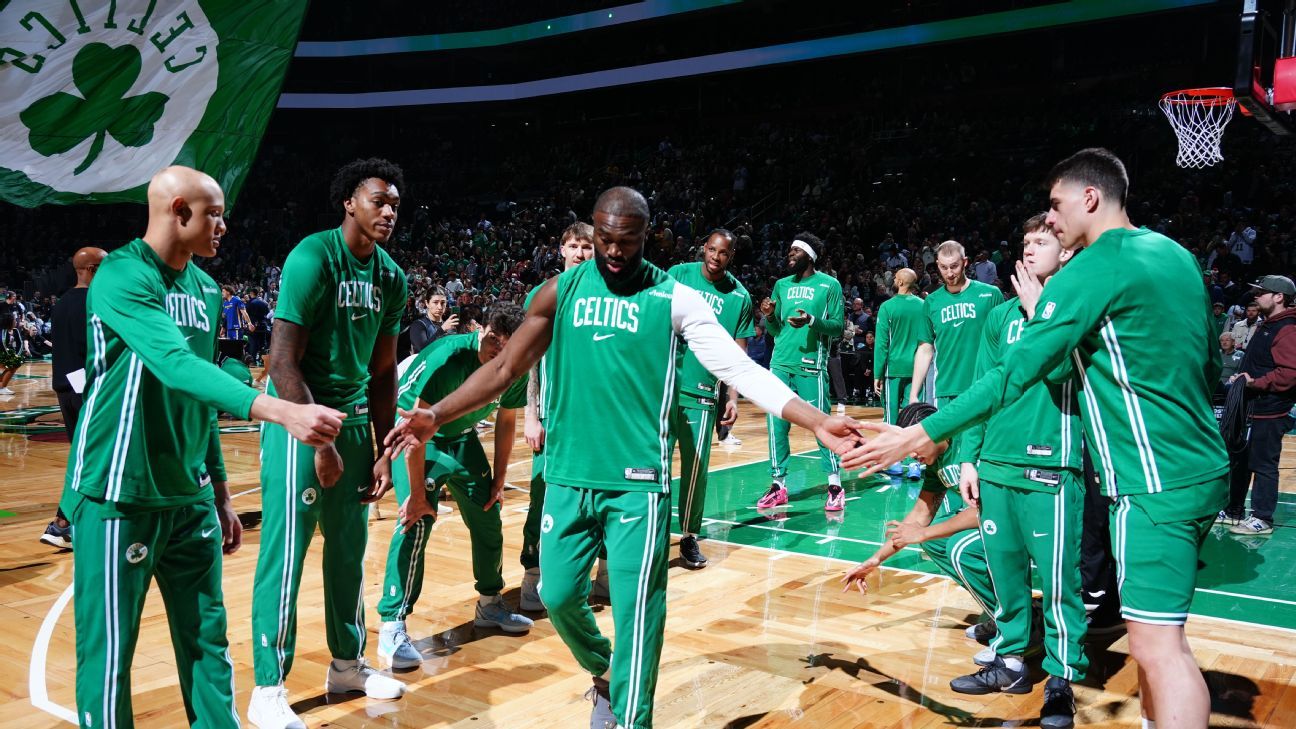
After surgery for a torn meniscus, Boston Celtics star Jaylen Brown spent about three weeks alone at home in Boston, feeling pain and self-doubt. He said he struggles with showing weakness, which made recovery harder for him.
At the same time, the Celtics were going through big changes, with the key players such as Jrue Holiday, Kristaps Porzingis, and Al Horford left, and Jayson Tatum suffered a serious Achilles injury.
Which made the team to shaken up, this made Brown felt more extra pressure to lead.
He started to question his recovery, his performance, and his future in the NBA, while also dealing with trade rumors and criticism.
To deal with challenges, Brown used meditation, martial arts, and even unusual methods like oxygen training.
During six weeks alone, he followed a strict routine, waking up with the sun, reading, and meditating every day.
He also looked into astrology and numerology to better understand his teammates and improve his leadership.

While some people doubt these ideas, Brown believes they helped him a lot and made him a better leader.
Jayson Brown’s mother, Mechalle Brown, comforted him by saying he wasn’t weak and just needed time to recover, like a car that needs servicing before working properly again.
She also said he has always liked space to think and plan, even as a child when he first learned teamwork in daycare.
She reminded him that the new team still has good players who just need his leadership to work well together.
Celtics President Brad Stevens also told him the team doesn’t need a “hero,” just a strong leader to bring everyone together.
He added that the team is still focused on winning, even with changes and Tatum’s injury.
After the Celtics lost the Eastern Conference Finals to the Miami Heat, Jaylen Brown focused on improving his mental strength.
He trained with surfing legend Laird Hamilton and learned tough breathing exercises, including underwater workouts, to stay calm under pressure.
The training helped him control panic, stay focused, and think clearly in stressful moments.
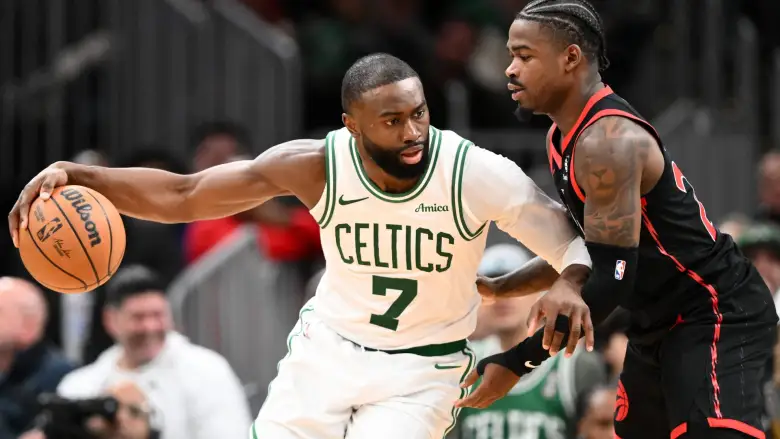
This season, it has shown in his performance. Brown has become an MVP-level player, leading the Celtics to a high playoff seed with career-best stats in points, rebounds, and assists.
His leadership has also helped his teammates play better.
Even Jayson Tatum has noted that Brown stepped up when the team needed him most.

A significant shift in Brown's motivation has emerged this season, and moving past the need to channel slights and internal doubts into fuel, he now embraces a sense of being respected and seen.
He recognized a past tendency to "make myself small, for other people to feel comfortable," a pattern his mother helped him identify and break.
Mechalle encouraged him to let his light shine, to confidently assert himself as the best two-way player in the game, and to proudly acknowledge his achievements.
Brown has since promised himself to abandon self-imposed limitations and "not going to make myself small ever again," signaling a profound personal and professional evolution that has redefined his leadership and impact on the Boston Celtics.