Career Transitioning And What You Need To Know About Chinua Achebe
Chinua Achebe’s shift from medicine to literature is a case study on courage, growth, and choosing fulfillment over pressure. Career transitioning is not often easy as it sounds on paper and this article try to explain what it truly is.
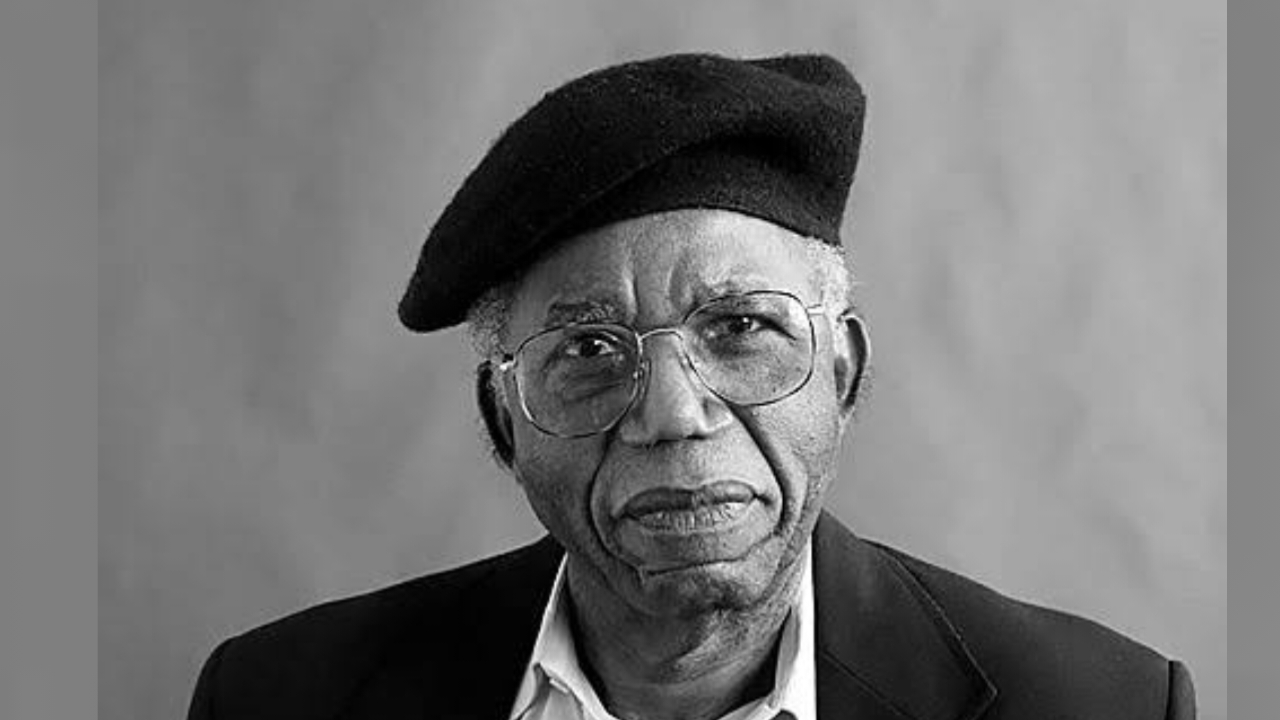
In many parts of the world, when the topic of a career is mentioned, it is deeply a personal decision as the growth of any individual.
In Africa, it is rarely just that, it is literally and figuratively a family project, one that is driven by community expectation and sometimes a public declaration of worth.
What you study, what you practice, and what you earn often become shorthand for respect, stability, and success. Careers are commonly discussed at family meetings, used as benchmarks at reunions, and compared casually by distant relatives who barely know your middle name or anything about you.
This is why career transitions can feel almost rebellious and almost attacked in African society because not only holds your careers, a lineage before and after you uses it as bragging rights and means of identity.
Changing direction in your career is not just about switching between skills or industries; it often feels like disappointing people who have already planned your life in their heads and if you're not careful people will get angry at you for your own choices that did not suit their interest.

Medicine, law, engineering, banking, politics and a handful of “approved” professions are usually treated as safe destinations. Anything outside these lanes is often viewed as risk, confusion, or lack of seriousness.
As a result, many people stay stuck, not because they lack talent or curiosity, but because time, age, sunk costs, and societal pressure become invisible cages. “You’ve already spent four years.” “You’re too old to start again.” “What will people say?” These questions do more damage than failure ever could.
The simple truth, we all need to understand is that careers are not static identities or markers. Interests usually evolve with time and exposure changes our perspective.
What once felt exciting can later feel suffocating and there is nothing dishonest or hypocritic about admitting that you have grown beyond an earlier choice. Career transitions matter because they acknowledge a simple truth: humans are not fixed projects neither are those robots programmed to one direction. We are all learning in real time, without a manual.
Chinua Achebe And His Courage to Change Direction
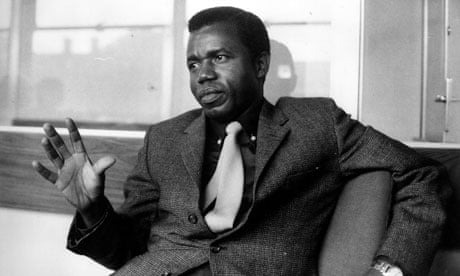

Chinua Achebe did not begin his academic journey intending to become the literary voice of a continent. Like many brilliant young Africans of his time, he initially enrolled to study medicine.
He was born on 16th November 1930 and was the fifth of six children, learned to speak English at the age of eight and earned a scholarship to study medicine at Nigeria’s first ever university, ‘University College Ibadan’, today known as the University of Ibadan
It was a prestigious path, one associated with respect, security, and social validation. A sensible choice, especially in the colonial-era of Nigeria where education itself was already a privilege.
But somewhere along that path, Achebe recognized something during the course of his undergraduate journey, medicine was not where his passion lived. It was literature.
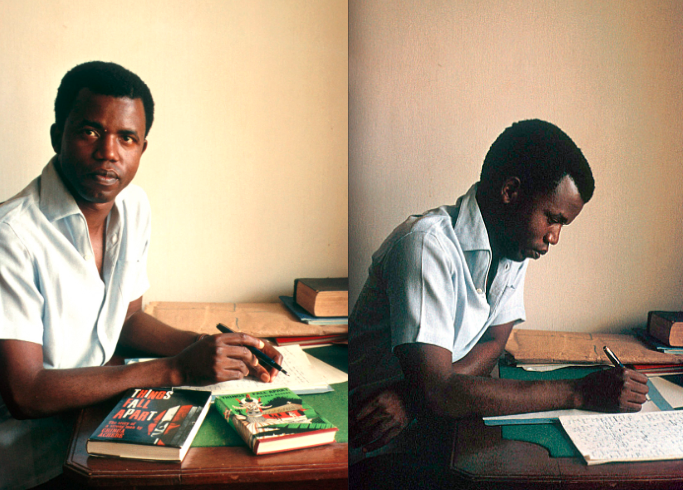
Words, stories, language, history, and identity pulled at him more strongly than anatomy or the prescriptions of medicine ever could. So he made a decision that many would still struggle to make today, he switched disciplines, moving to English and history and graduated in 1954.
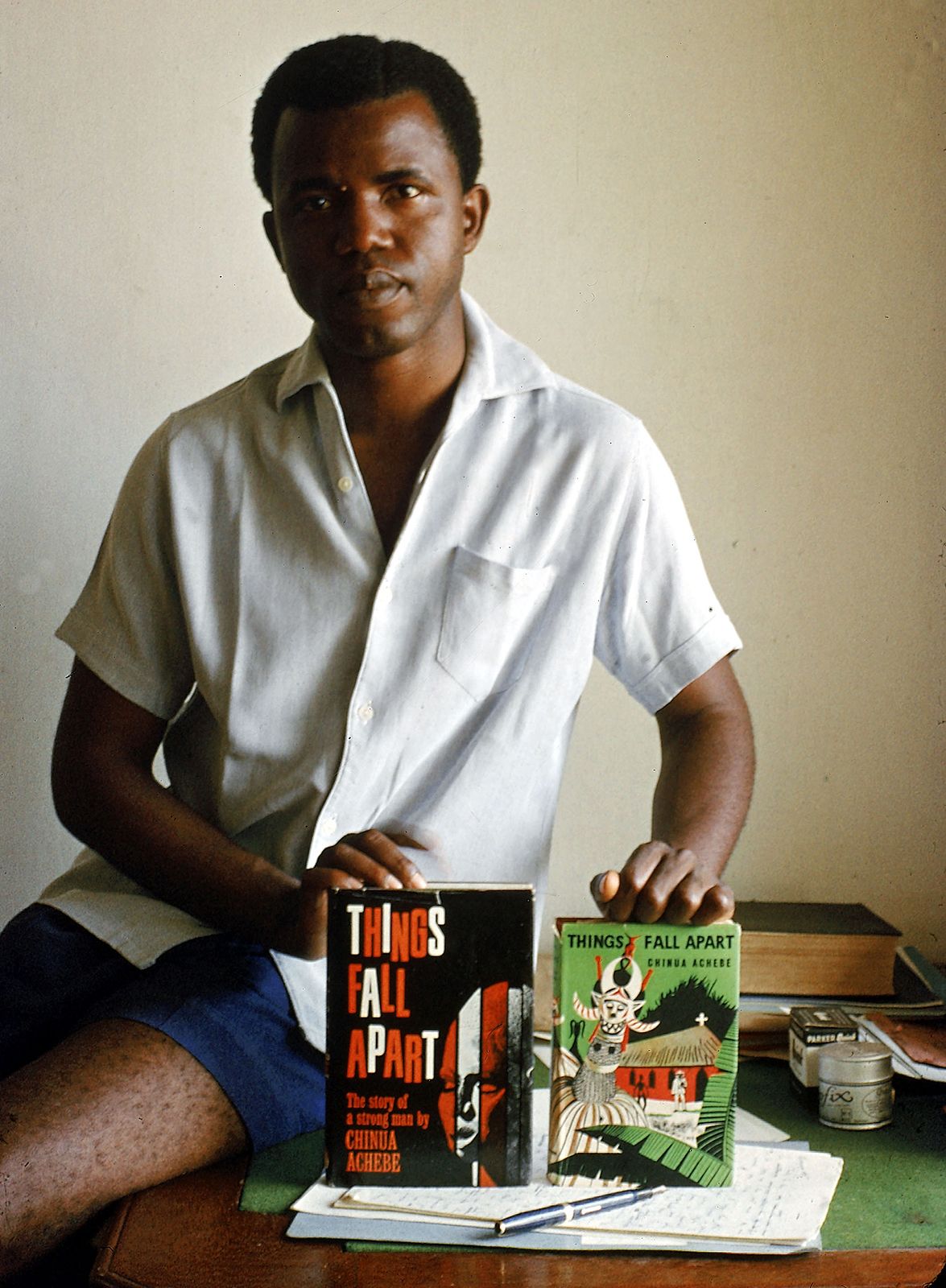
From that decision emerged Things Fall Apart which he wrote in 1958, a novel that did more than tell a story. The novel was first published in London by Heinemann on 17 June 1958 after which he went on to write other books including No Longer At Ease in 1960 and Arrow Of God in 1964.
Things Fall Apart challenged colonial narratives, restored African voices to global literature, and reshaped how the world understood African societies. Achebe did not just change careers, he altered cultural history.

We might not have been there to witness his internal conflicts or the resistance he may have faced. But it would be unrealistic to assume the transition was smooth or celebrated by both his family and the society, especially since he was on scholarship.
Choosing literature over medicine, especially at that time, would have likely come with doubt, criticism, and pressure to reconsider, yet Achebe did not retreat into safety. He did not hide in his shell. He trusted the pull of his calling and committed fully to it.
That commitment turned him into one of Africa’s most recognizable intellectual figures, earning him global respect, giving him the title of being the father of modern African literature and from various interviews you would truly know that he was a force in the field of literature during his time.
His life quietly reminds us that the most impactful careers are often born from courage and not compliance or what is socially agreed upon.
What Career Transitions Truly Mean for Us

The story of Chinua Achebe is not just about literature. It is about permission: Permission to change and outgrow earlier decisions. It gives you the permission to listen to yourself even when the world is loud.
Career transitions do not mean you have failed or you do not have a direction. It literally means that you have learned over the years and that you have gathered information about yourself through experience.
It is a show of growth and constantly evolving in yourself that you have tested a version of your life and realized it was not aligned with who you were becoming. That is not instability or confusion, that is awareness and clarity.

Many people carry unnecessary guilt for wanting something different. They feel ashamed for losing interest, for pivoting, for starting again. But preferences always change because exposure changes and growth usually demands adjustment in time of change.
Holding yourself hostage to past decisions only guarantees long-term dissatisfaction.
Time and age are often used as weapons against change, yet they are also moving forward regardless of what you do or don't do.
Five years will pass whether you pivot or not and you will be five years older no matter what you do. The only difference is whether you spend those years building a life that excites you or one that merely looks acceptable.
This is your first time living this life and even if you believe in reincarnation, this is the only time you will live this particular version of it, with these circumstances, opportunities, and constraints.

That alone should be reason enough to pursue a career that brings meaning, not just approval.
Career transitions matter because they center the human experience, not just productivity. They remind us that fulfillment is not a luxury, it is a responsibility we owe ourselves.
Whether your shift is subtle or dramatic, planned or accidental, what matters is honesty. Honest reflection, desire and effort.
Like Achebe, you may face resistance. Like Achebe, you may feel uncertain. But history has shown us that the world often benefits most when people dare to listen inwardly.
Careers are not prisons.
They are evolving expressions of who we are and who we are allowed to become.
See you next time and I hope by then you are doing what you love in any career you find yourself in.