Cardio Showdown: Incline Walking Battles Stair Stepper for Fitness Supremacy!
Discover the distinctions and benefits of incline walking on a treadmill versus using a stair stepper for your cardio workouts. Learn how these machines impact calorie burn, muscle engagement, and cardiovascular health, with expert tips on maximizing each session for optimal results.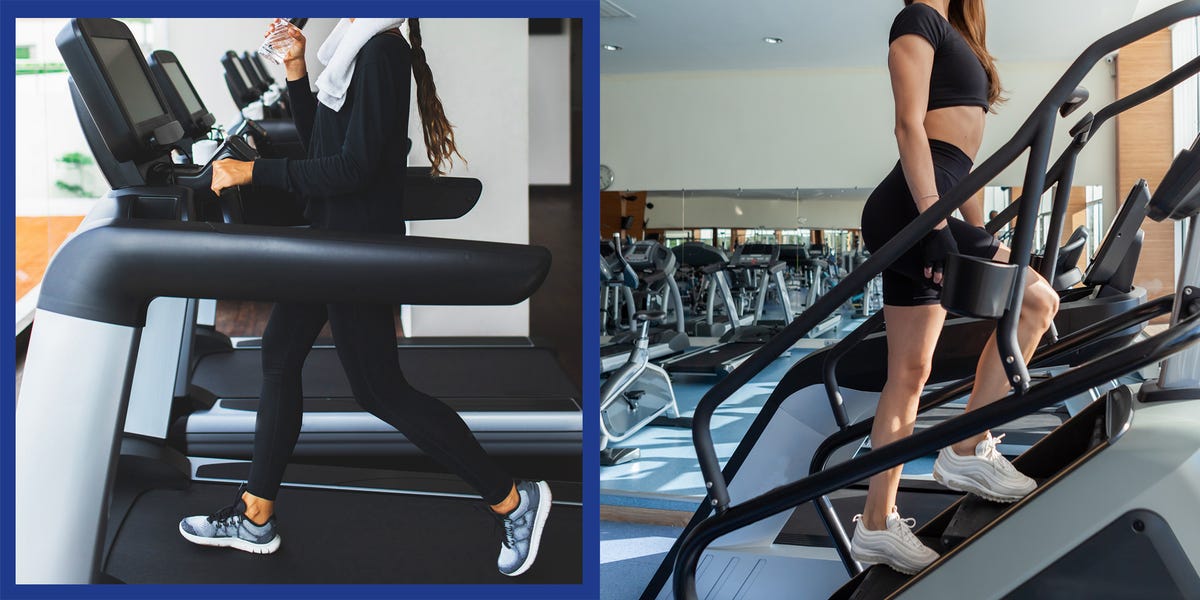
When seeking a cardio machine workout that offers maximum burn, toning, and endurance in minimal time, individuals often consider incline walking on a treadmill versus using a stair stepper. While both options present similar movement patterns and some overlapping benefits, they are distinct modalities with unique advantages. The optimal choice ultimately depends on specific fitness goals, such as calorie expenditure, muscle engagement, or cardiovascular endurance, or a combination of these.
Fitness experts, Alexander Rothstein, EdD, an exercise physiologist at New York Institute of Technology; Catherine Jarrett, PhD, RDN, an exercise physiologist at Washington State University; and Albert Matheny, RD, CSCS, a strength coach and co-founder of SoHo Strength Lab, offer insights into these machines and how to maximize their benefits.
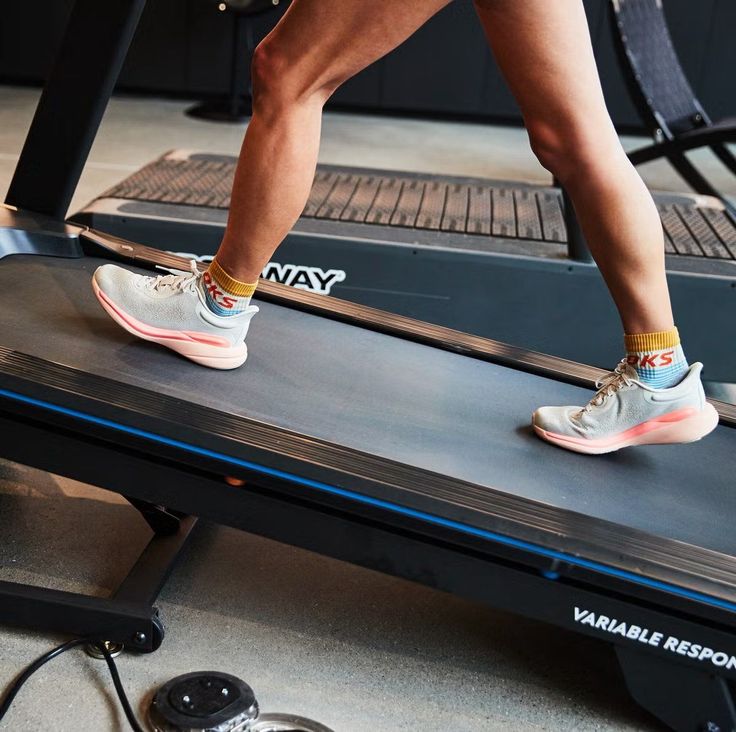
The biomechanics of incline treadmill walking and stair stepping differ significantly. When walking on an incline, the body works against gravity to propel upwards, a more challenging task than flat walking. This requires a forward shift of the center of gravity, with the body leaning forward from the ankles, hips, and back. Incline walking actively engages the calves, glutes, and hamstrings, particularly at faster paces.
The stair stepper engages similar muscle groups, but Rothstein notes that it necessitates a higher knee lift, indicating a larger hip motion compared to forward walking. While calves are still utilized, they are less engaged than the glutes and hamstrings, which work more intensely from the pushing-down motion required to propel the body up with each step. Both machines allow for adjustable intensity; the treadmill permits adjustments to incline and speed, while the stair stepper focuses on speed variations.
Comparing calorie burn between the two machines involves several factors, including intensity, speed, incline, body weight, and baseline fitness level. A heavier individual will burn more calories due to increased gravitational resistance, and someone who is more aerobically fit may burn slightly fewer calories because their body is more efficient.
Generally, a 150-pound person might burn 200 to 300 calories in 30 minutes on either machine, depending heavily on individual factors and pace. According to the American Council on Exercise, a 150-pound person burns about 272 calories climbing stairs for 30 minutes, compared to approximately 170 calories walking at a brisk 4 mph pace (without factoring in incline, which would increase the burn). Despite the variables, the stair stepper typically results in a greater calorie burn in direct comparison to a treadmill, as the continuous act of lifting the leg the full distance is technically more demanding.
For cardiovascular workouts, the intensity of the session dictates which machine offers a better challenge. A higher incline or speed on a treadmill can be more intense, just as a faster pace on the stair stepper can be. Ultimately, the most effective cardiovascular exercise is the one an individual consistently performs. However, the stair stepper often challenges users quickly, elevating their VO2 max—a measure of the body's oxygen utilization during exercise—indicating a higher demand on the cardiovascular system.
Regarding strength training, the stair stepper may offer superior benefits. Albert Matheny explains that it recruits more of the quads and glutes due to the vertical lifting motion of the entire body. While incline walking also contributes to strength, muscle recruitment is generally higher on the stair stepper.
A significant consideration for those with physical limitations or joint pain is that incline walking may be gentler on the joints. Research in Gait & Posture and Sports Medicine and Health Science suggests that walking on an elevation can reduce stress on the knee joint while strengthening leg muscles. Both machines are considered low-impact, making them safe choices for many individuals.
To maximize workouts on either machine, experts recommend specific form checks and techniques. For the treadmill, avoid hanging onto the railings, as this reduces the exercise's benefits by shifting weight off the lower body and core. Ensure arms can swing freely for balance and power; if not, the incline or speed may be too high. Rothstein suggests challenging oneself by gradually increasing incline or speed every minute during a 20- to 30-minute workout, or incorporating intervals of varying speed and incline.
On the stair stepper, it is crucial not to hunch over or hang onto the handrail, as this lessens the workout's impact and can negatively affect posture. Interval workouts, alternating between faster and slower paces, can enhance engagement and challenge. For increased intensity, a weighted vest can be used, but holding weights in hands is not recommended for safety. Maintaining good posture with a straight back while climbing helps prevent discomfort or injury.
Ultimately, experts advise incorporating both incline walking and stair climbing into a fitness routine, perhaps by spending 15 minutes on each machine during a single workout. This approach offers the benefits of cross-training and provides variety, which is important for overall fitness.