Can Rare Sugars Fix Our Sugar Problem? What Africans Need to Know About Tagatose and Allulose
As diabetes cases surge across Africa, rare sugars like tagatose and allulose are emerging as potential low-glycaemic alternatives to regular sugar. What are they, how do they work, and can they realistically help curb Africa’s growing sugar and diabetes crisis?

We have a sugar crisis on our hands. Across Africa, 54 million adults were living with diabetes in 2022, with over half undiagnosed and untreated. Even more alarming, the total number of adults with diabetes is predicted to increase by 142% to 60 million by 2050, the highest percentage increase of all world regions.
And the thing is this is also an economic issue. Now, Africa has the lowest diabetes-related expenditure at only 10 billion USD, representing a mere 1% of total global spending, despite being home to 11.4% of people with diabetes worldwide.
The numbers imply that we are facing a preventable health epidemic with insufficient resources to combat it.
The usual suspects are behind this surge. Diabetes is more prevalent in urban areas where people tend to be less physically active, eating diets rich in saturated fats and refined sugars.
Nutrition transition due to urbanization and globalization has led to consumption of energy-dense foods and sugary beverages. We are trading our traditional diets for Western processed foods, and our bodies are paying the price.
Here are two sweeteners you have probably never heard of: tagatose and allulose. They are called "rare sugars" because they exist naturally in tiny amounts in foods like figs, dairy products, and maple syrup.
What makes them interesting is that they taste like sugar, bake like sugar, but don't spike your blood glucose like sugar does.
What Makes These Sugars Different?
Think of tagatose and allulose as sugar's healthier cousins who go to the gym to burn excesses.
They are molecularly similar to fructose, but with subtle structural differences that change everything about how your body processes them.
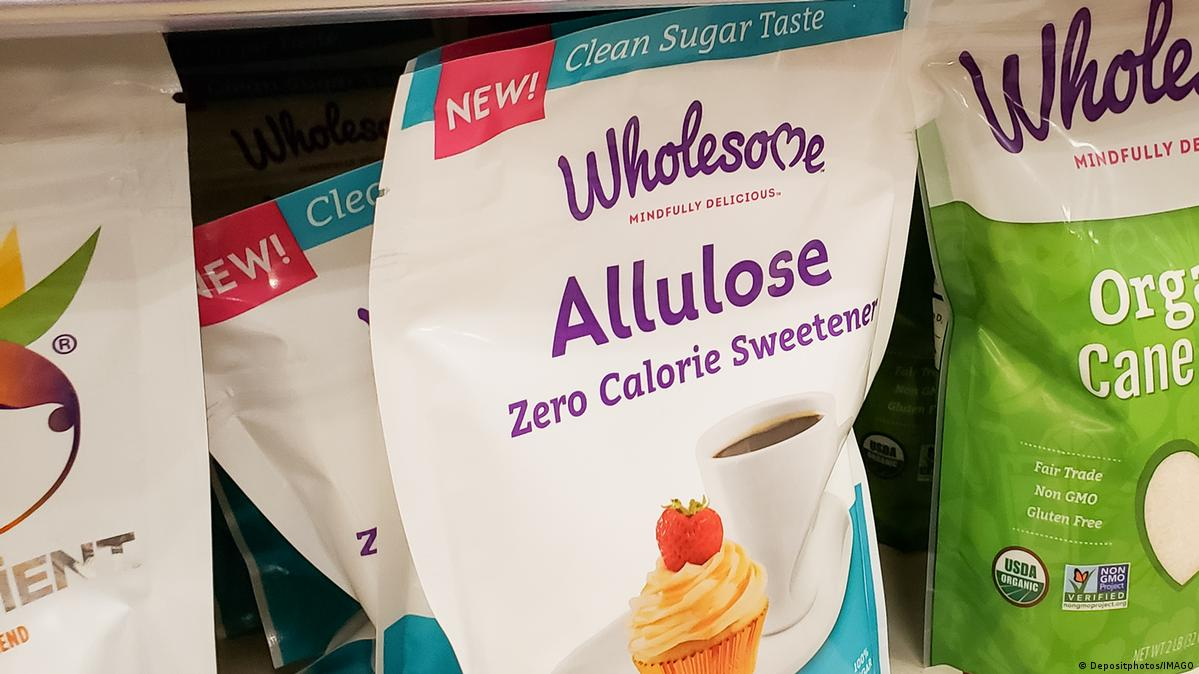
Allulose is 70% as sweet as regular sugar but delivers only 0.4 calories per gram compared to sugar's 4 calories. That is 90% fewer calories. Tagatose comes in at 90% as sweet with 1.5 calories per gram. Both have extremely low glycemic indices, meaning they don't raise insulin or blood sugar levels, making them appropriate for diabetics.
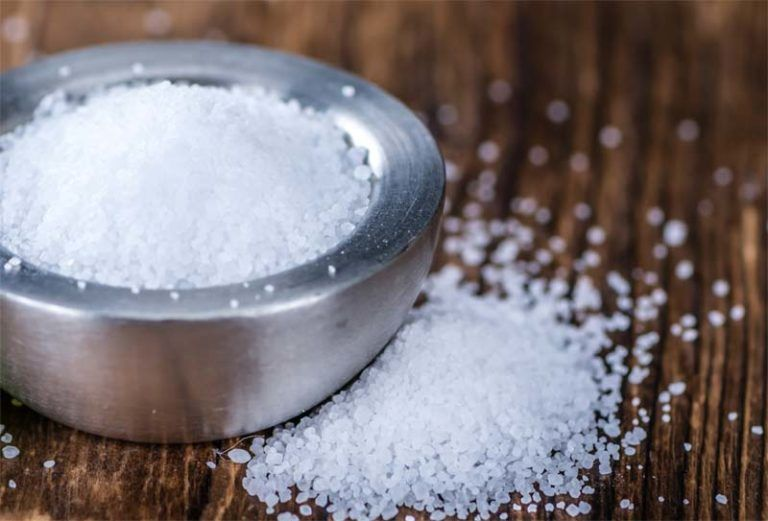
Research also shows allulose may help increase fat loss, particularly the dangerous visceral fat that accumulates around your organs. Studies show reduced body fat percentage and abdominal fat when consumed regularly.
Tagatose has earned prebiotic certification, meaning it feeds the beneficial bacteria in your gut and increases butyrate production, a compound linked to gut health.
The Reality Check: Cost and Access
However, these rare sugars currently cost five to seven times more than traditional sweeteners. Production has been expensive because tagatose was historically derived from lactose through complex chemical processes with low yields of around 25%.
There is good news, though. Recent breakthroughs are changing the economics. In December 2025, researchers at Tufts developed a biosynthetic method using engineered bacteria to produce tagatose from abundant glucose instead of expensive galactose.
Companies like Bonumose have developed enzymatic processes that boost yields to 90%, dramatically reducing costs.
Tagatose use in foods has been approved by the European Union, Australia, New Zealand, South Africa, Korea, and Brazil which is a significant development. South Africa is even already on board. But widespread availability across the continent is still a work in progress.
Should We Care?
Given our diabetes crisis, absolutely. Between 2011 and 2021, Africa recorded a five-fold rise in type 1 diabetes among children and teenagers below 19 years, with cases surging from four per 1000 children to nearly 20 per 1000. This isn't just affecting adults anymore.
The standard advice, eat less sugar, exercise more, is not cutting it when urbanization is restructuring our entire food environment. We need better tools.
Rare sugars would definitely not solve everything. No, they won't cure diabetes or reverse obesity on their own. But they could be part of a broader strategy.

However, if manufacturers started reformulating popular soft drinks, baked goods, and processed foods with these rare sugars, we could significantly reduce sugar intake across entire populations without requiring individual behaviour change.
The Challenges Ahead
There are legitimate concerns we should not ignore, though. Long-term human studies on these sweeteners are still limited. While both tagatose and allulose have received Generally Recognized as Safe status in multiple countries, we are still learning about their effects over decades of consumption.
Tagatose can cause gastrointestinal issues above 30 grams per dose. Some research has linked certain sugar alcohols to increased cardiovascular risks, though tagatose and allulose have yet to show these problems in studies so far.
There is also a regulatory complication. In the US, the FDA still counts tagatose toward "added sugars" on nutrition labels, even though it does not metabolize like sugar. Allulose got an exemption. This creates a marketing disadvantage for tagatose that doesn't reflect its actual health impact.
What This Means for Africa
We are at a crossroads. The diabetes epidemic will either overwhelm our health systems or we will find innovative ways to combat it. Rare sugars like tagatose and allulose represent one tool in that fight.
The question isn't whether these sweeteners are perfect, they are not. The question is whether they are better than what we are currently consuming. And the evidence suggests they are significantly better.
As production costs continue to drop and these ingredients become more available globally, African manufacturers and consumers should pay attention. We can't afford to wait another decade while diabetes cases double. We need solutions now, even imperfect ones.
The sweetener revolution is already happening. Whether it reaches Africa in time to make a difference depends on economic factors, regulatory approvals, and whether we are willing to embrace new approaches to an old problem. Given what is at stake, millions of lives affected by preventable diabetes, we can't afford not to explore every option.
These rare sugars won't fix our sugar problem alone. But combined with policy changes, education, and continued innovation, they could be part of the solution Africa desperately needs.