Business Anatomy Series(Part 2): Here, There, It's GUO Motors
In the bustling town of Onitsha in 1970, just after the Nigerian Civil War, a young man named Godwin Ubaka Okeke (G.U. Okeke) noticed something others didn’t. Travelers were stranded, mobility was scarce, and transportation was chaotic. Find out how this led to GUO motors and uncover the business strategies that drive it today.
In the bustling town of Onitsha in 1970, just after the Nigerian Civil War, a young man namedGodwin Ubaka Okeke (G.U. Okeke) noticed something others didn’t. Travelers were stranded, mobility was scarce, and transportation was chaotic. Rather than walk past the problem, he turned to his father’s Peugeot car and began ferrying people across towns—at a fair fee. That small act of service wasn’t just a hustle; it was the genesis of one of Nigeria’s largest transportation companies: GUO Motors.
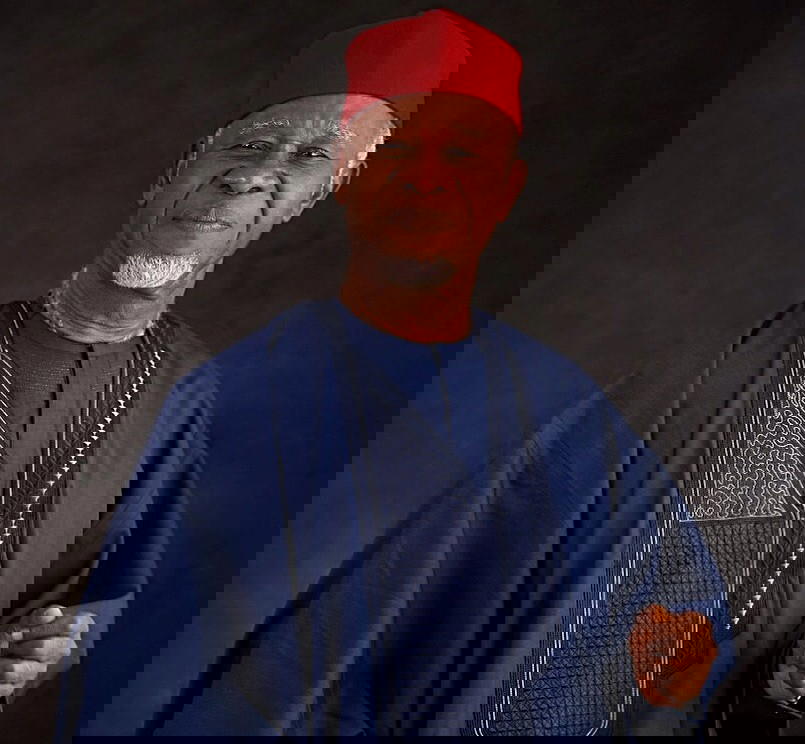
Image: Godwin Ubaka Okeke
By 1980, the business was formalized asGUO Transport Company Ltd, a division of G.U. Okeke & Sons Ltd. What began as a humble solution evolved into a pan-West African enterprise, today serving over 200 destinations and millions of passengers annually.
GUO Motors currently employs between 501 and 1,000 people, making it one of the largest employers in Nigeria’s transport sector. It currently serves more than 200 destinations across Nigeria and West Africa, and won the 2023 ‘Transport Company of the Year’award from the Nigeria Auto Journalists Association.
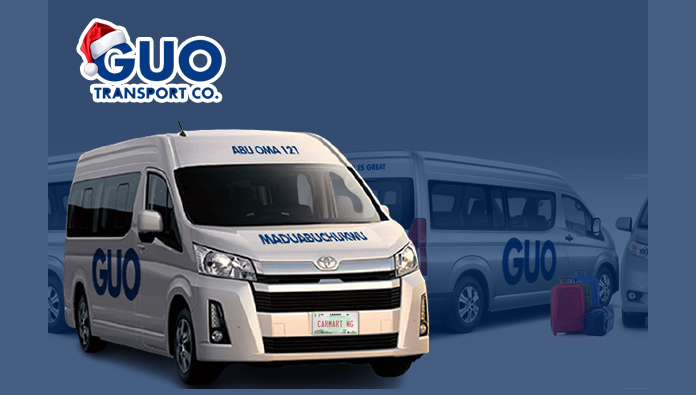
The Business Model
In terms of competition, GUO operates in a crowded market alongside major players like GIGM, Peace Mass Transit, and Chisco Express. The pressure is constant, and any misstep—particularly in customer service—can lead to a decline in revenue.
The company’s business model is a blend of transportation, logistics, and technology. At its core, GUO provides intercity and interstate passenger transportation, with air-conditioned buses that offer amenities like Wi-Fi and onboard entertainment.
Beyond passenger transport, GUO has established a logistics and haulage division, providing same-day and next-day cargo delivery, freight transport, and courier services for individuals and businesses. They also offer charter and specialized travel services.
A significant part of GUO’s evolution can be credited to its early adoption of digital infrastructure. By enabling customers to book and pay for tickets online through platforms like Paystack, GUO reduced friction in its operations and improved the overall user experience.
Entrepreneurs can draw multiple lessons from GUO’s growth trajectory, but one of the clearest takeaways is the value of diversification.
Diversification has played a pivotal role in stabilizing the business. By not relying solely on passenger transport, GUO has been able to tap into Nigeria’s fast-growing e-commerce and logistics markets, ensuring multiple income streams even when one segment faces challenges.
To better understand GUO Motors’ success and challenges, we can apply the Business Model Canvas (BMC)—a theoretical framework developed by Alexander Osterwalder. This model identifies nine core elements that help businesses create, deliver, and capture value. Below is a summary of how GUO fits into six of these components:
Business Model Canvas: GUO Motors
Customer Segments
Individual passengers
Businesses (for logistics and haulage)
E-commerce platforms
Charter and group travel clients
Value Propositions
Safe and comfortable intercity travel
Reliable logistics and haulage services
Online and digital booking options
Premium travel and charter services
Channels
Physical transport terminals and offices
Online booking via website and mobile platforms
Revenue Streams
Ticket sales for passenger transport
Logistics and delivery fees
Value-added services such as charters and business partnerships
Key Partnerships
Payment processors (e.g., Paystack)
E-commerce platforms for delivery partnerships
Conclusion
This application of the BMC reveals that GUO Motors is built on a well-diversified foundation. It creates value across multiple segments, uses both physical and digital channels to deliver services, and captures revenue from several interconnected streams. However, it also exposes weaknesses in customer relationship management and communication, areas that must be addressed.
