Breaking the Cycle of OCD: Knowing the Symptoms, Causes, and Treatment Options
OCD is more than being neat or organized—it’s a real mental health condition that can take over thoughts, emotions, and daily life. But with the right treatment and support, recovery is possible, and many people learn to regain control and live peacefully again.

Obsessive-Compulsive Disorder (OCD) is a mental health condition that causes individuals to experience recurring, unwanted thoughts, urges, or fears known as obsessions.
These obsessions often create intense anxiety, discomfort, or distress, and to reduce these feelings, individuals may engage in repetitive behaviors or mental rituals, known as compulsions.
While these actions may provide temporary relief, they do not eliminate the underlying fears and often become a cycle that is difficult to break.
OCD can affect people of all ages, backgrounds, and lifestyles, and common obsessions may include fears of contamination, concerns about safety, unwanted aggressive thoughts, or a need for symmetry and order.
Compulsions often involve excessive cleaning, repeated checking, counting, arranging items in a specific way, or seeking constant reassurance.
These behaviors are not simply habits or preferences; they are driven by overwhelming anxiety and can consume significant amounts of time each day.
The condition can have a major impact on daily life. Many individuals with OCD struggle to concentrate at work or school, maintain relationships, or complete routine tasks.
The constant cycle of obsessive thoughts and compulsive behaviors can lead to emotional exhaustion, stress, frustration, and feelings of isolation.
In severe cases, OCD may interfere with a person's ability to function independently.
Although living with OCD can be challenging, it is a treatable condition, and with proper diagnosis, therapy, medication when necessary, and strong support from family and friends, many people learn to manage their symptoms effectively.
Raising awareness and understanding of OCD is important in reducing stigma and encouraging those affected to seek professional help and support.
What Is Obsessive-Compulsive Disorder and What Are Its Symptoms?
Obsessive-Compulsive Disorder (OCD) is a mental health condition where a person experiences unwanted thoughts or fears that keep coming back.
These thoughts can cause a lot of anxiety, leading the person to repeat certain actions or routines to feel better.
While these behaviors may bring temporary relief, they often keep the cycle of OCD going.
Obsessions can appear in different ways, and some people constantly worry about germs, while others may have unwanted fears about safety or feel the need for things to be perfectly organized.
These thoughts are often difficult to control and can make it hard to focus on daily tasks.
Compulsions are repetitive actions people do to ease the anxiety caused by obsessive thoughts.
These may include excessive handwashing, repeatedly checking things, counting, or arranging items.

Even when they know these actions may not make sense, they often feel unable to stop because of the anxiety they experience.
OCD can greatly affect daily life and relationships, and people with OCD may spend hours managing unwanted thoughts and repetitive behaviors, making work, school, and everyday tasks more difficult.
It can also create challenges in relationships when loved ones struggle to understand the condition.
OCD affects an estimated 1–3% of people worldwide and, if left untreated, can lead to stress, frustration, low self-esteem, and social isolation.
Recognizing the symptoms early is important because timely treatment can help individuals manage their condition more effectively and improve their overall quality of life.
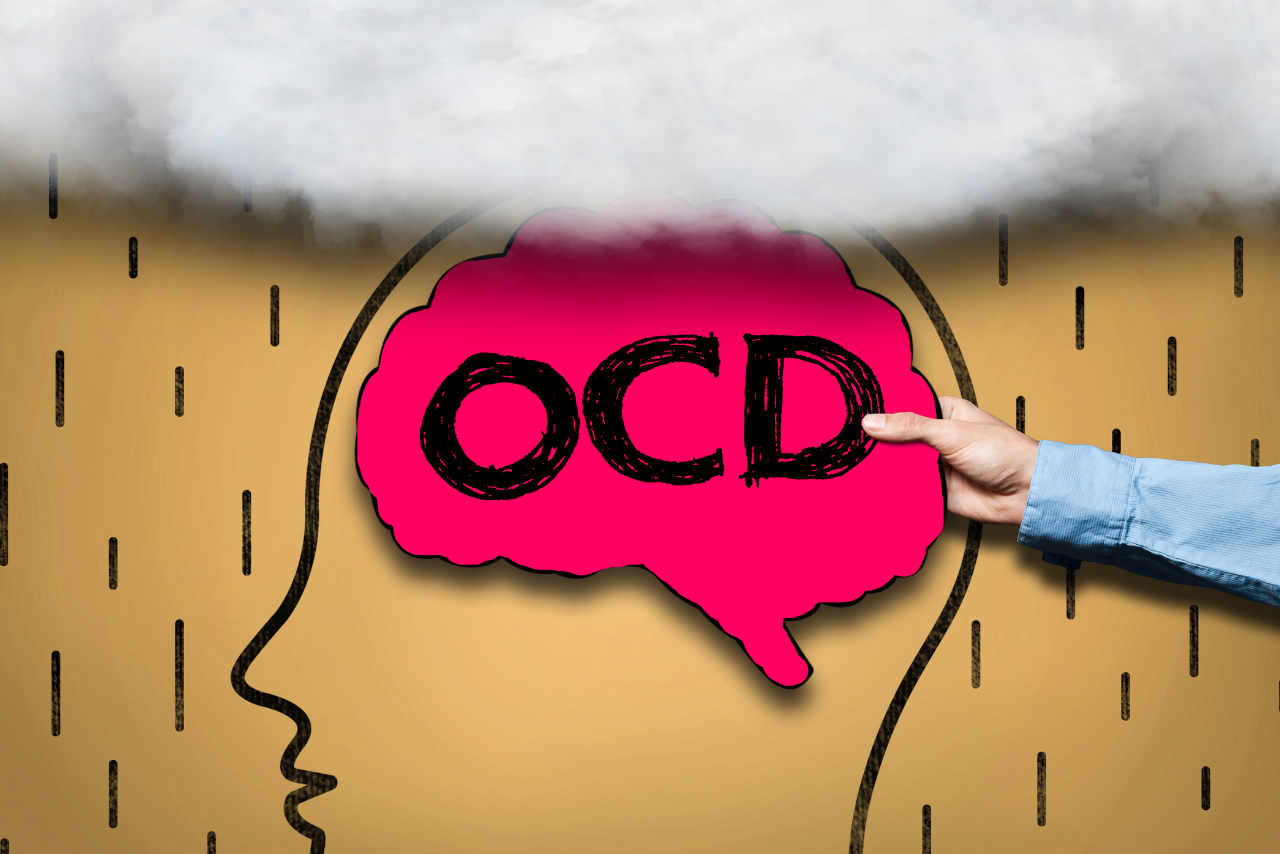
What Causes Obsessive-Compulsive Disorder?
The exact cause of Obsessive-Compulsive Disorder (OCD) is not fully understood, but researchers believe it results from a combination of genetic, biological, and environmental factors.
Rather than being caused by a single factor, OCD often develops through the interaction of several influences.
Genetics can play an important role in the development of OCD, and individuals who have a close family member with OCD may be more likely to develop the condition themselves, suggesting that certain inherited traits can increase a person's risk.
Biological factors and brain function may also contribute to OCD. Studies have found differences in certain areas of the brain involved in decision-making, behavior, and emotional regulation.
Imbalances in neurotransmitters, particularly serotonin, which helps regulate mood and anxiety, may also play a role in the development of obsessive thoughts and compulsive behaviors.
The environmental influences and also life experiences can sometimes trigger or worsen OCD symptoms.
Stressful events, traumatic experiences, major life changes, or ongoing anxiety may contribute to the onset of the condition in some individuals.
While these experiences do not directly cause OCD, they can increase vulnerability and make symptoms more noticeable.
With the way OCD develops differently in each person, the basic understanding of its causes can help individuals seek appropriate treatment and support.
Acknowledging that OCD can be influenced through a combination of factors which can also help in reducing stigma and it encourages greater awareness of the condition.

How Is Obsessive-Compulsive Disorder Treated?
OCD is treatable, and many people can managetheir symptoms with the right support.
A common treatment is Cognitive Behavioral Therapy (CBT), especially Exposure and Response Prevention (ERP), where a person slowly faces their fears while learning not to perform compulsive behaviors. This helps reduce anxiety over time.
Medication can also help, especially in more severe cases with antidepressants called SSRIs are often used to balance brain chemicals linked to anxiety and mood. While they don’t cure OCD, they can make symptoms easier to manage.
In addition to therapy and medication, lifestyle changes and strong support systems canplay a major role in recovery.
With regular exercise, good sleep, stress management, and healthy routines, this can help in reducing anxiety levels.
While the support from family, friends, or support groups can also go a long way, because understanding and encouragement can help individuals feel less alone in their struggles.
Through a combination of professional treatment, self-care, and emotional support, many people with OCD learn to manage their symptoms and regain control of their lives.
Recovery is just a knock at the door, but with improvement it is very possible with consistency and patience.
Conclusion
OCD is not just about being neat or careful—it is a real and often exhausting mental health condition that can quietly take over a person’s thoughts and daily life.
But even though it can feel overwhelming, it does not define who someone is, but with the right treatment, understanding, and support, people with OCD can regain control, find relief, and slowly rebuild a sense of peace in their lives.
Recovery may take time, but every small step matters, but also know that by reaching out for help it does not mean a sign of weakness, but a brave and important step toward healing and a better quality of life.