Beyond Belief: When an entire town couldn't stop dancing for days
In the sweltering summer of 1518, one woman stepped into the streets of Strasbourg and began to dance—alone, silent, and unstoppable. What followed was a mysterious, mass hysteria that claimed hundreds, baffled doctors, and turned a city into a stage for madness.
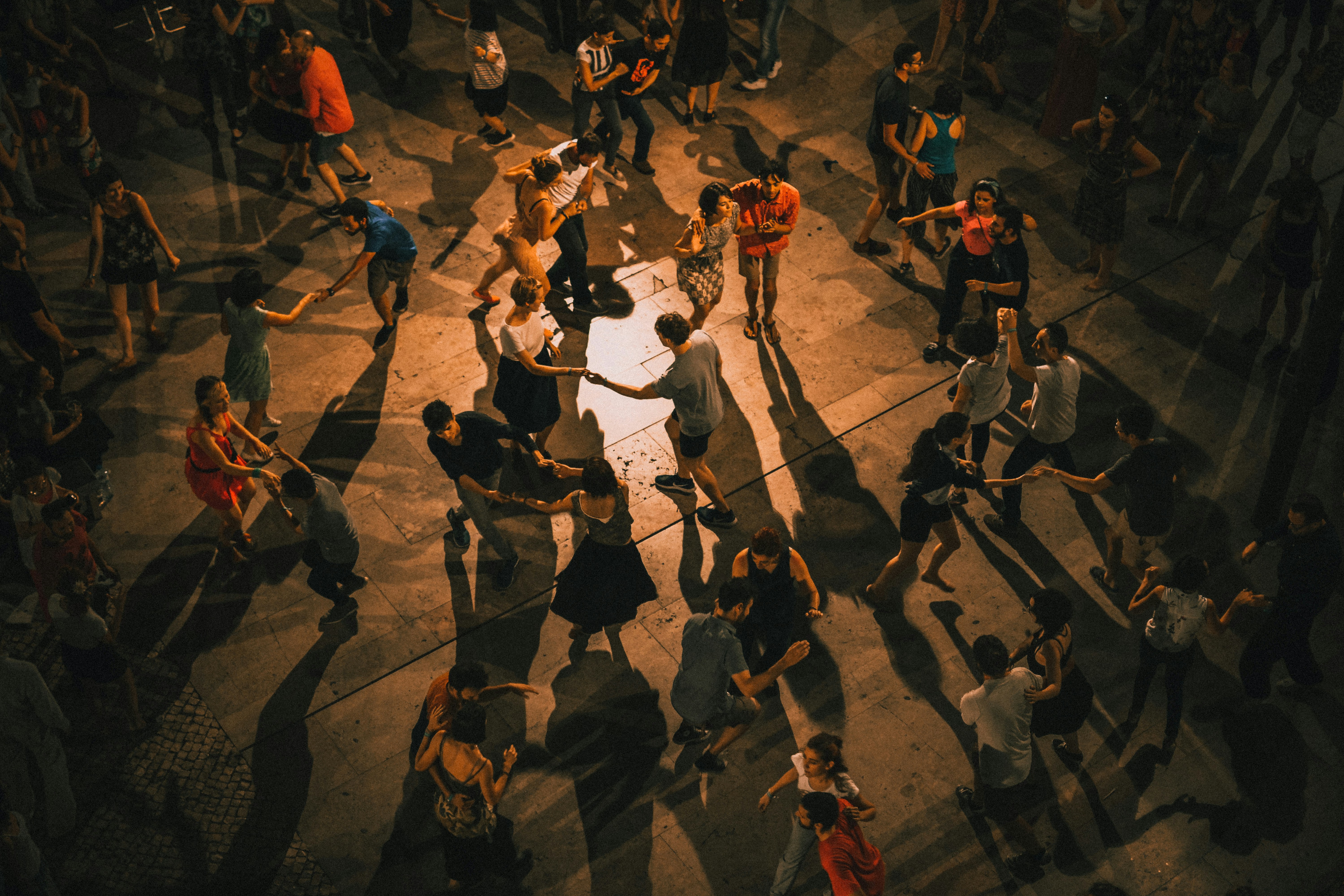
Strasbourg, Holy Roman Empire – Summer, 1518
It began, they say, on a scorching morning in July. The kind of day when the air hangs thick with a breathless heat, and the sun bakes the stone walls until they sweat. Frau Troffea—an simple woman in a plain wool dress—stepped out of her home and began to dance.
There was no music. No festival. No cause for celebration. Only the soft slap of her bare soles against the cobblestones as she twisted and reeled, her face blank, her body possessed by some invisible rhythm.
At first, the townspeople of Strasbourg watched in bemusement. Perhaps she had taken leave of her senses, or perhaps it was some strange expression of joy. But the hours dragged on. By dusk, she was still dancing—arms jerking, dress soaked through. She danced through the night, ignoring cries to stop, the weariness in her limbs be damned.
By the third day, something uncanny was unfolding: others joined her. First a few. Then dozens. Men, women, even children. They danced until their feet bled, until their bones cracked and their muscles tore. Still they moved—compelled by a force no one could name.
The city, already strained by famine and disease, watched in mounting horror. Officials were baffled. Physicians consulted dusty medical texts and declared the dancers afflicted with hot blood—a medieval diagnosis for an overheated body and mind. The prescription? More dancing.
A wooden stage was hastily built in the town square. Musicians were hired, their pipes and drums summoning a feverish madness that echoed through the alleyways. The city leaned into the spectacle, believing that if the dancers could purge the sickness through exhaustion, the madness might end.
But it did not.
Within weeks, over 400 people were caught in the dance. Some foamed at the mouth. Others screamed for mercy as they twirled, unable to stop. Eyewitnesses spoke of eyes rolled back in skulls, of bodies writhing as if possessed. And still the dancing continued.
Theories and Shadows
Whispers spread like plague rats through the city.
Divine Punishment: Some claimed the dancers were being punished for the sins of the town—adultery, gluttony, or heresy. God, they said, had loosed a curse upon them. The Church organized processions and prayer vigils, but nothing changed.
Demonic Possession: Others believed the dancers were under the influence of malevolent spirits or the devil himself. They pointed to ancient tales of “dancing manias” from the Rhineland, and invoked Saint Vitus, patron of dancers and epileptics, pleading for his intervention.
Psychogenic Illness: In modern terms, mass hysteria. The city had recently endured floods, failed harvests, and outbreaks of disease. Hunger gnawed at bellies, death hovered at doorsteps. In such conditions, some historians suggest, extreme psychological stress might have erupted into collective trauma—a shared, unconscious break from reality.
Ergot Poisoning: A darker theory emerged centuries later. The townspeople’s daily bread—baked from rye—may have been tainted with ergot, a fungus that thrives in damp conditions and produces alkaloids similar to LSD. Ergot poisoning can cause hallucinations, convulsions, and mania. The dancers, perhaps, were not bewitched, but slowly poisoned by their own food.
Political or Religious Coercion: A more conspiratorial line of thought suggests manipulation. Could a radical religious group have sparked the mania to provoke repentance? Or perhaps it was an effort by civic leaders to distract the people from rising dissent and hardship—turning spiritual panic into spectacle?
None of these theories fully explain what happened. Perhaps it was all of them, or none.
The Final Steps
Then, as inexplicably as it began, the dancing ceased.
One by one, the afflicted slowed. Some collapsed into sleep that bordered on coma. Others broke into sobs and wandered into the woods. No music played. No clergy preached. Silence returned to Strasbourg like a closing curtain.

The streets bore the stains of sweat, blood, and something more elusive: the residue of madness. The event was recorded by city scribes and chroniclers, then filed away as a grim curiosity.
But the truth has never been exorcised.
The Dancing Plague of 1518 remains one of history’s most chilling mysteries—when a city moved not to joy or celebration, but to an invisible rhythm of torment. Was it madness, poison, punishment, or the psyche unhinged? We may never know.