Raila Odinga’s First Anniversary In Kenya Exposes Divisions Within ODM
The first death anniversary of the late Raila Odinga at Migwena grounds in Bondo, Siaya County, was hoped to unite his political allies. However, the event instead deepened divisions among his former troops, with many key allies notably absent, despite high emotions among his loyal supporters.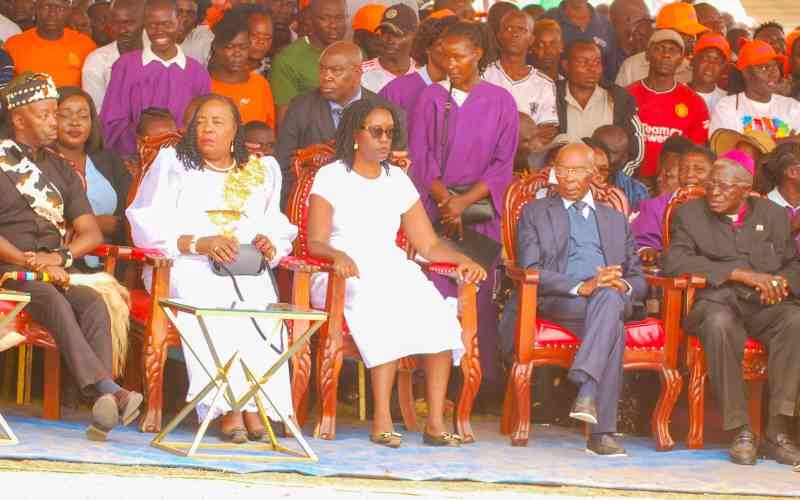
The first anniversary of Raila Odinga’s death was marked on Thursday, October 15, 2026, at Migwena Cultural Grounds in Bondo, Siaya County, bringing together members of his family, political leaders and thousands of supporters. Many had hoped the commemoration would unite the factions that emerged within the Orange Democratic Movement (ODM) and the wider political movement he led for decades.
Instead, the event unfolded amid competing loyalties and disagreements over who should carry forward his political legacy. Reports of parallel programmes, disputes over the event’s organisation and the absence of several prominent figures underscored the divisions surrounding the late opposition leader’s movement.
The political tensions were evident as leaders and supporters expressed differing views about ODM’s future and its relationship with President William Ruto’s administration. While some figures defended cooperation with the government and pointed to development commitments in the region, others—including Siaya Governor James Orengo, Nairobi Senator Edwin Sifuna, Embakasi East MP Babu Owino and Wiper Party leader Kalonzo Musyoka—argued that honouring Raila meant continuing the political path they associated with him, including opposing Ruto’s re-election.
President Ruto and former President Uhuru Kenyatta were absent from the commemoration, while tensions also surfaced among supporters over the absence of ODM leader Oburu Oginga. These developments highlighted competing interpretations of Raila’s legacy rather than a unified political position.
For many supporters, Raila was more than a political leader: he was a mentor and a defining figure in their political lives, having helped several allies build their careers through endorsements and party support. His anniversary therefore carried significance beyond remembrance, unfolding at a time when ODM faces questions about its direction and the future of the alliances he helped shape.
The gathering was intended to honour his contribution to Kenya’s political history, but disagreements over party strategy and relations with the government became a central part of the proceedings. The challenge facing ODM is how to preserve Raila’s political legacy while navigating the competing interests and strategies of the leaders who once rallied behind him.