Avatar Star Sam Worthington's Candid Confession About James Cameron!
In a comprehensive interview, Sam Worthington shares insights into the concurrent filming of "Avatar: The Way of Water" and "Fire and Ash," detailing James Cameron's unique, actor-centric directing style and the immersive technology that defines the record-breaking franchise. Worthington discusses the evolution of the Avatar saga, the unparalleled theatrical experience, and provides updates on the cautious development of future installments. His account highlights Cameron's continuous creative process and the profound impact of working on such a visionary project.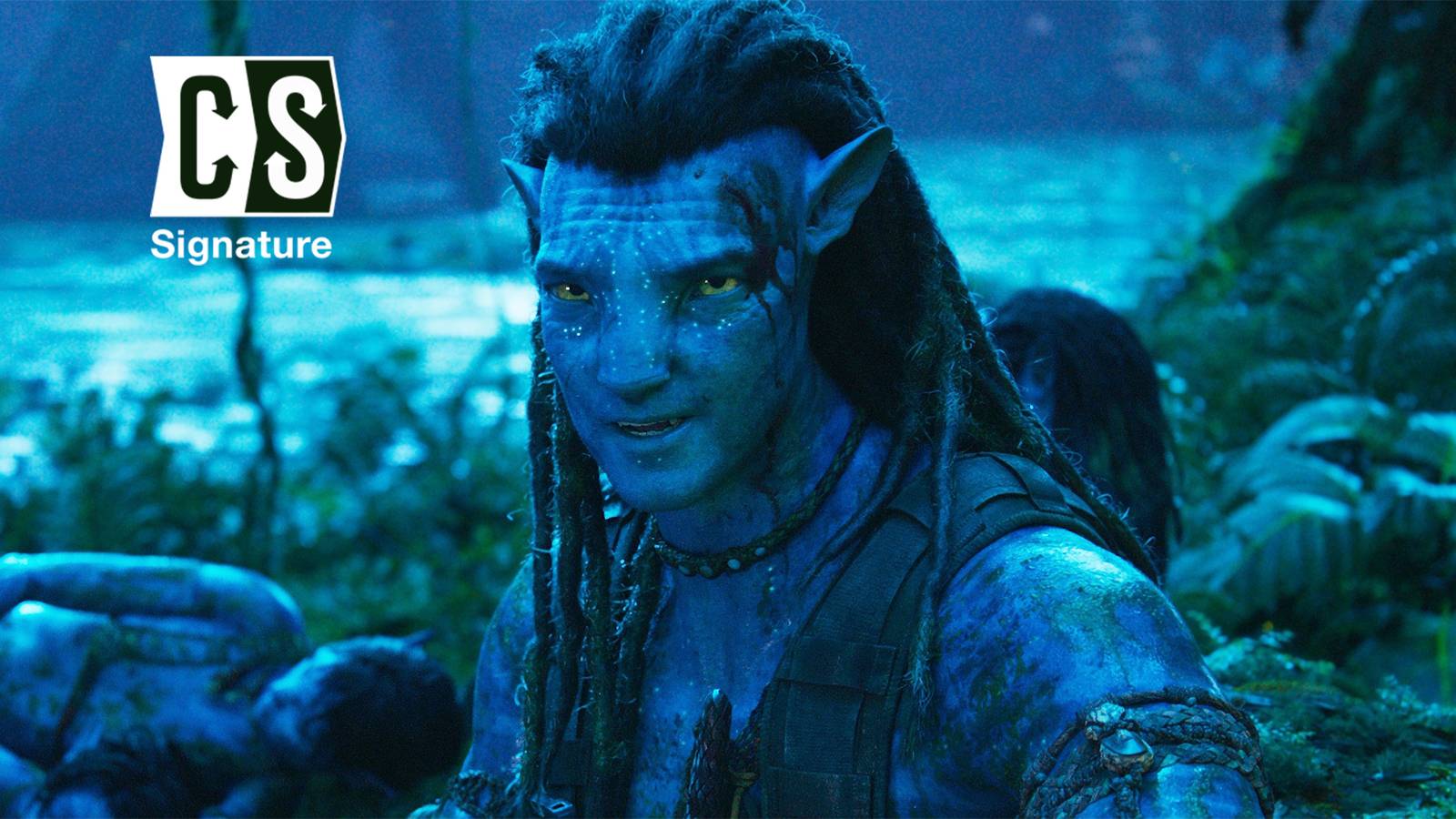
Sam Worthington, the star of two of the three highest-grossing films of all time, "Avatar" and "Avatar: The Way of Water," recently shared his experiences regarding the filmmaking process and his role as Jake Sully. Worthington admits to having a visceral and overwhelming reaction to interviews, though he acknowledges it's part of being a public figure in such a massive franchise. In the upcoming film, "Avatar: Fire and Ash," Worthington reprises his iconic role as Jake Sully, the former human now Na’vi leader, who continues to protect his family from Colonel Miles Quaritch, now allied with the sinister, fire-obsessed Na’vi leader Varang of the Mangkwan clan.
A significant revelation from Worthington is that "Avatar: The Way of Water" and "Avatar: Fire and Ash" were essentially conceived and filmed as one large movie. Production commenced in 2017, with filming occurring concurrently rather than back-to-back. This meant that on any given day, scenes could be shot for either "The Way of Water" or "Fire and Ash," reflecting James Cameron's vision of these films as a continuous narrative, part one and part two of a larger story arc. The initial block of performance capture alone lasted approximately 18 months.
Worthington shed light on the unique technological and directorial approach of James Cameron. During filming, actors operate within an 'empty gray space' known as the 'volume.' However, Cameron is not secretive with his cast; he provides art references and, through the luxury of a virtual camera, allows actors to see their blue Na’vi avatars moving in real-time on monitors. This real-time feedback is crucial for actors to understand their environment and deliver authentic performances, whether they are in the forests, underwater, or within specific clan territories like the Metkayina.
James Cameron's creative process is described as unconventional and continuous. Worthington likens himself to a 'doctor on call' for Cameron, as the director frequently contacts him with new ideas, even after initial filming blocks are complete and while rendering is ongoing. These are not merely reshoots but rather additional creative impulses, with Cameron constantly 'painting and painting' the story. This dynamic process continued up until recently, only constrained by the time needed for rendering the extensive visual effects. This method highlights Cameron's deep commitment to massaging and perfecting the story he cares about, setting it apart from conventional film productions.
Worthington recalled that when he first received the scripts for the sequels, Cameron presented them almost like a novel, outlining the progression of the love story from the first film into a family saga. The sequels challenge this family, expanding the narrative far beyond what was initially envisioned as a standalone movie. Worthington emphasizes that Cameron operates from a place of passion for his characters and world, not merely the business side of filmmaking. This dedication ensures the stories are compelling and explore themes dear to Cameron, making the creative dive immersive for the actors.
Working with James Cameron has, according to Worthington, 'spoiled' him. Compared to conventional film sets where directors are often preoccupied with technical aspects like camera angles and lighting, Cameron's performance capture approach is intensely actor-centric. He provides generous time, sitting beside actors, offering ideas, and posing challenges. This focus on performance, with visual effects handled much later, allows actors to delve deeply into their roles, a luxury Worthington finds unparalleled in other productions.
Addressing the past online chatter questioning Avatar's 'cultural footprint,' Worthington confidently stated that Cameron's films attract audiences because they are made with heart and push the boundaries of cinematic technology. He distinguishes Cameron's groundbreaking use of 3D, where special cameras are built, as a tool for immersion rather than a gimmick, unlike other films that retrofitted 3D post-production. The theatrical experience of Avatar, with its transportive power reminiscent of classic films like "E.T." and "Indiana Jones," is something Worthington believes cannot be replicated at home, making it a unique big-screen event.
Despite playing a blue Na’vi character, Worthington experiences significant recognition as Jake Sully. He appreciates the anonymity his roles often provide, yet notes that many people, even in remote parts of the world, recognize his voice, mannerisms, or the 'spirit' of his performance. This recognition, even with his blue animation, shows the deep connection audiences form with his portrayal.
The challenges of filming include anything involving water, which Worthington describes as three to ten times harder than land-based scenes. He admires Cameron's relentless pursuit of perfection, as the director 'doesn't settle' and continuously pushes the boundaries until the high bar is met. Regarding "Avatar 4" and "5," Cameron is taking a cautious approach, waiting to see how "Fire and Ash" performs before fully committing. However, some scenes involving younger actors have already been filmed, as the fourth movie is expected to jump ahead in time. Worthington anticipates that Cameron will continue to tinker with the scripts, calling the cast when he's ready to proceed with the next installments.