Atiku Shakes Up Fiscal Policy: Demands Immediate Halt to Tax Law Implementation
Former Vice President Atiku Abubakar has demanded the immediate suspension of a new tax law, citing alleged illegal alterations between the National Assembly's version and the gazetted text. He calls for a thorough investigation by the EFCC and warns against a government focused on extraction rather than empowering its struggling citizens.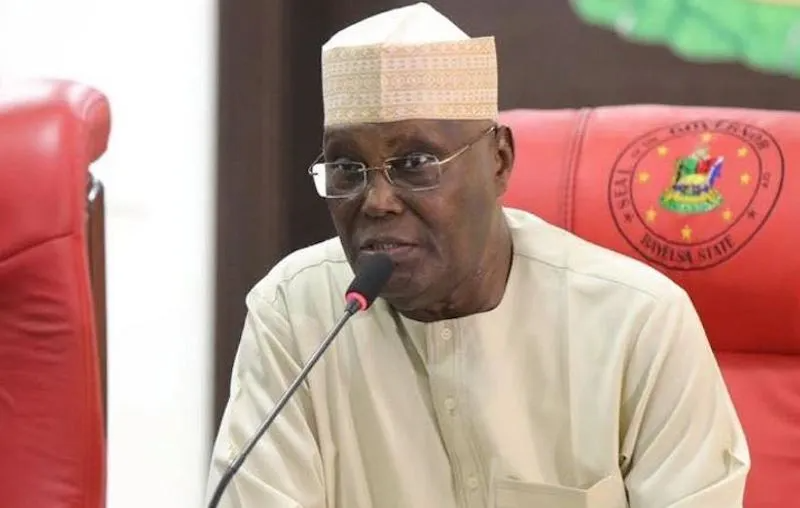
Former Vice President Atiku Abubakar has urged the immediate suspension of the tax law implementation, originally scheduled for January 1, 2026. This call comes amidst allegations of significant discrepancies between the version of the law passed by the National Assembly and the subsequent gazetted law. Atiku emphasized the necessity of a thorough investigation into these alleged alterations, asserting that such actions represent a grave threat to Nigeria's constitutional democracy.
Atiku Abubakar has specifically implored the Economic and Financial Crimes Commission (EFCC) to launch an immediate investigation into the matter. He demanded the prosecution of any individuals found culpable in what he described as the illegal alteration of national laws, aimed at extorting and defrauding the Nigerian populace. In a strong statement, the former Vice President characterized the alleged unauthorized modifications to Nigeria’s tax legislation, post-National Assembly passage, as a "brazen act of treason against the Nigerian people" and a "direct assault on our constitutional democracy."
He outlined a series of urgent actions required from various arms of government and civil society. He called upon the Executive to promptly suspend the tax law's implementation, effective January 1, 2026, to facilitate a proper investigation. Furthermore, he urged the National Assembly to rectify these illegal alterations through appropriate legislative processes and to hold accountable those responsible for this constitutional breach. Atiku also appealed to the Judiciary to strike down these unconstitutional provisions, thereby reaffirming the sanctity of the legislative process. He called on Civil Society and all Nigerians to reject this attack on democratic principles and to demand governance focused on serving the people rather than exploiting them. Finally, he advised the Government to abandon its current "path of extraction and oppression" and instead prioritize policies that enable Nigerian citizens and businesses to thrive.
Atiku further condemned the alleged alterations as a "draconian overreach by the executive branch," which he believes fundamentally undermines the principle of legislative supremacy in lawmaking. He argued that these actions reveal a government more preoccupied with extracting wealth from its struggling citizens than with empowering them to prosper. He specifically listed several alleged illegally inserted items within the tax bills, including "New Coercive Powers Without Legislative Consent," "Increased Financial Burdens on Citizens," and the "Removal of Accountability Mechanisms."
The former Vice President concluded by stating that this alleged constitutional violation exposes a government fixated on imposing ever-increasing tax burdens on impoverished Nigerians, rather than fostering conditions for prosperity. He criticized the administration for choosing "the path of aggressive extraction from an already struggling populace" instead of investing in crucial sectors like infrastructure, education, healthcare, and economic empowerment that would naturally expand the tax base. Highlighting Nigeria's alarming poverty rate, persistent unemployment, and daily erosion of purchasing power due to inflation, Atiku stressed that true economic growth stems from empowering citizens to be more productive, thereby generating sustainable tax revenues. He asserted that such an approach requires vision, investment, and patience, qualities he suggested are absent in an administration that resorts to "constitutional manipulation to achieve short-term fiscal goals."