Apple's Price Hike: MacBook & iPad Costs Soar Amid Worsening AI Chip Shortage
Apple has raised prices on MacBooks and iPads, attributing the increases to a sharp surge in memory and storage chip costs driven by the AI industry's data center expansion. This move signals that even major tech companies are feeling the impact of the AI boom, with broader market declines anticipated as component costs continue to rise.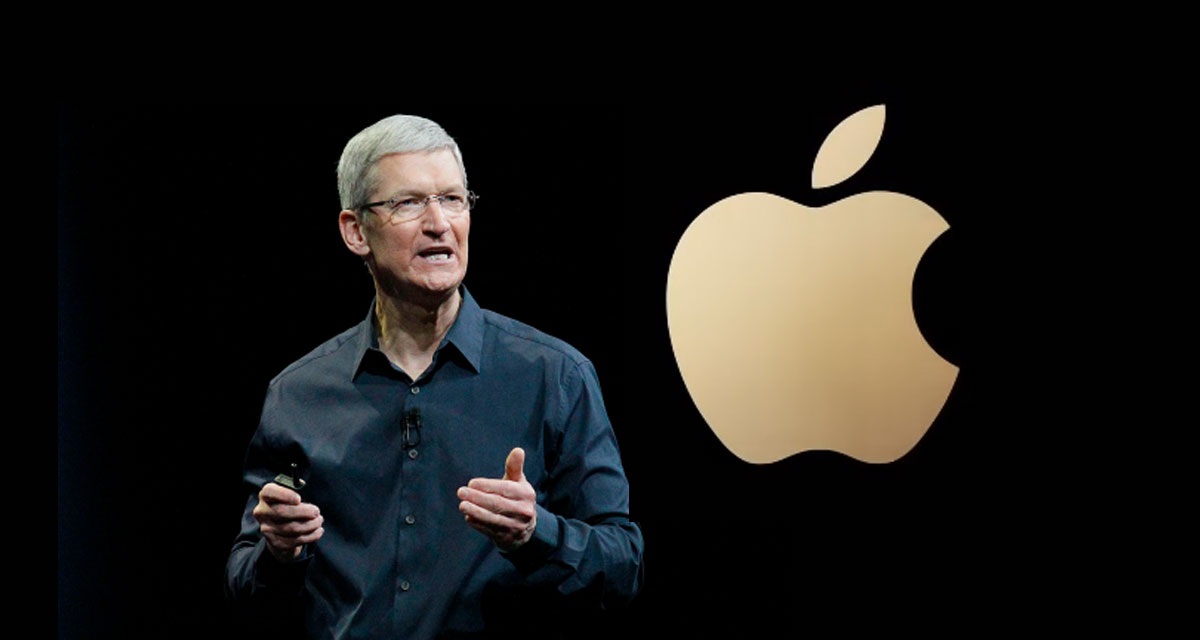
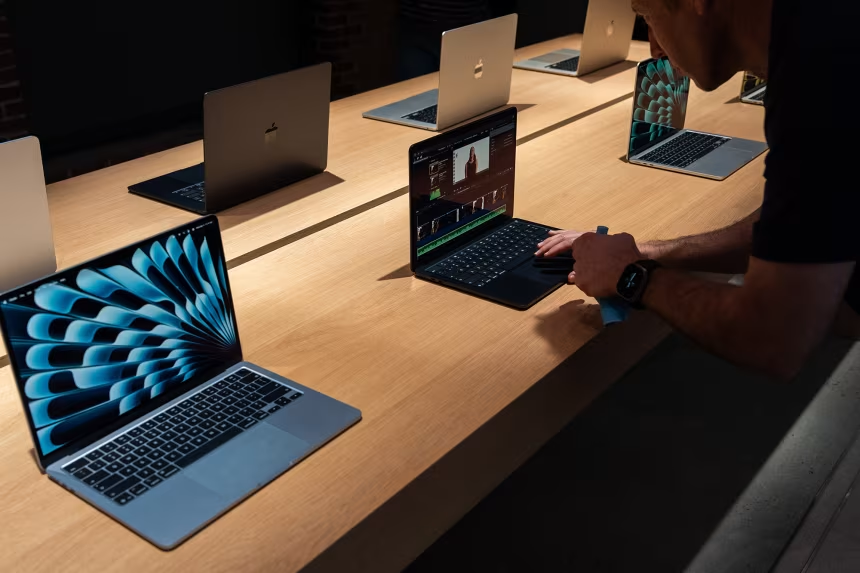
Apple has recently implemented significant price increases across a range of its MacBook and iPad product lines.
These adjustments are a direct consequence of a sharp surge in the costs of memory and storage chips, a phenomenon largely driven by the artificial intelligence industry's massive global data centre buildout.
This situation underscores that even companies with highly robust and influential supply chains, like Apple, are not immune to the far-reaching ripple effects of the burgeoning AI boom.
While Apple's most significant revenue driver, the iPhone, remains unaffected by these immediate price hikes, the impact is most acutely felt by products designed to be more competitive in their segments.
For instance, the MacBook Neo, Apple’s entry-level laptop engineered to contend with more affordable Windows and Chromebook machines, saw its starting price escalate from $599 (approximately ₦826,043) to $699 (approximately ₦964,202).
This increase occurred just months after its initial launch in March 2026, and other substantial price adjustments include the MacBook Air with 512 gigabytes of storage, which rose from $1,099 (₦1,514,801) to $1,299 (₦1,791,720).
The MacBook Pro equipped with 1 terabyte of storage climbed from $1,699 (₦2,343,032) to $1,999 (₦2,757,571). Similarly, the iPad Air with 128 gigabytes of storage increased from $599 (₦826,043) to $749 (₦965,202).

This is beyond its core computing devices, Apple also raised prices for both versions of its HomePod smart speaker and its Apple TV set-top box, indicating a broad impact across several product categories.
In an official statement, Apple acknowledged the unprecedented nature of the situation, remarking, “We have never seen a component price increase this much, this quickly.”
The company further explained its decision, stating, “We have shielded our customers from these increases so far, but we have now reached a point where we need to begin raising prices on a number of products.”
The fundamental cause of this widespread escalation in component costs is a critical shortage of dynamic random access memory (DRAM) chips, which are essential components in virtually every modern electronic device.
Memory manufacturers, such as Micron, have increasingly prioritized fulfilling orders from leading AI chipmakers like Nvidia.
These AI companies are engaged in a rapid race to secure sufficient supply for their expansive AI data centres, consequently leaving device makers like Apple to compete intensely for the remaining available inventory.
Micron alone confirmed that it has secured $22 billion in long-term supply commitments from AI customers.
Latest Tech News
Decode Africa's Digital Transformation
From Startups to Fintech Hubs - We Cover It All.
According to the industry tracker TrendForce, DRAM prices experienced an astonishing increase of as much as 98% in the first quarter of 2026 alone, with projections indicating another significant rise of 58% to 63% in the current quarter.
This severe and rapid escalation has led some industry analysts to coin the term “RAMageddon.”
The immediate market reaction to Apple’s announcement was notable, with the company’s shares falling nearly 5%.
Rival technology companies were also affected, with Dell experiencing a drop of more than 8%.
Analysts have issued warnings that other device manufacturers, many of whom lack Apple’s extensive and long-standing supplier relationships, may be compelled to implement even steeper price increases.

The CEO of technology consulting firm Creative Strategies, Ben Bajarin, commented on the enduring challenge, stating, “The memory environment is tough and remains structurally tough for the foreseeable future.”
The implications of rising memory costs had been foreshadowed by Apple CEO Tim Cook, who warned investors in April that these expenses would begin to impact the company’s margins by the end of the June quarter.
Cook also indicated at the time that the financial pressure would only intensify in subsequent quarters.
Industry analysts now anticipate that the iPhone, Apple’s flagship product, will likely face its own price increase when the company launches its fall lineup, and the timing of this week’s price hike announcements is seen as a deliberate strategic move.
The Senior Research Director at IDC, Nabila Popal, observed that, “It was incredibly strategic for Apple to make the price hike announcements prior to the iPhone fall launch, so the headlines at launch is not the price hikes but the value the new phones bring.”
The broader fallout from this pervasive memory shortage is expected to be significant across the global tech industry.
IDC now estimates that the global smartphone market will experience its largest-ever annual decline of nearly 14% this year, while the PC market is projected to contract by 11.3%.
These declines are attributed to rising component costs that are squeezing device makers across the entire industry, a consequence directly traceable to the trillions of dollars currently being invested into AI infrastructure worldwide.