Ancient Roman Cuisine Secrets: Uncovering Morning Meals of the Past!
Explore the daily life of ancient Romans through their breakfast habits, revealing how this vital meal varied for ordinary citizens and the wealthy. Discover the simple staples like bread and wine, and the early forms of 'fast food' that kept Romans fueled for their day.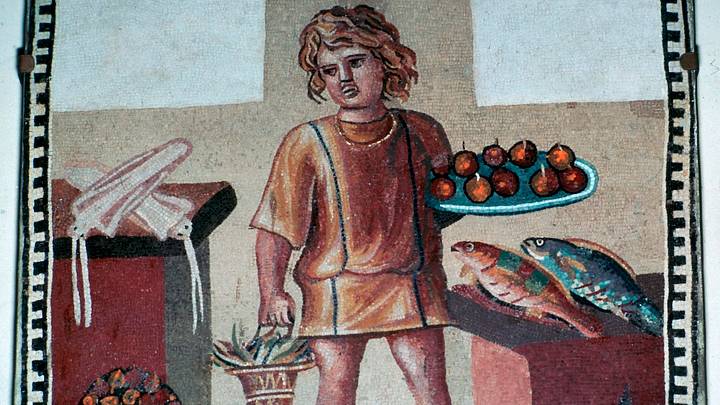
The social media trend asking "What's your Roman Empire?" highlights a widespread fascination with ancient Rome, a civilization that captured immense territories spanning approximately 2 million square miles at its peak. Existing from the 8th century BC to the 5th century AD, Roman history is traditionally divided into three distinct periods: the Roman Kingdom (753–509 BC), the Roman Republic (509–27 BC), and the Roman Empire (27 BC – 476 AD). Despite the epic tales of emperors and battles, the vast majority of Roman citizens lived ordinary lives, connected by universal human needs and pleasures, such as the enjoyment of food. Among daily meals, breakfast held significant importance, much like it does today, serving as a vital start to the day.
For the average Roman citizen, a typical morning meal was simple yet foundational. While specific items might have varied slightly across different eras, the core components remained largely consistent. Breakfast primarily consisted of bread, often supplemented with cheese and olives. Fruits such as pears, dates, or plums might also have been included, but bread was unequivocally the essential staple of any Roman diet. It was so crucial that it was often dipped into wine to soften it and was even distributed free to citizens in need, underscoring its central role in daily life.
Just as modern workers might rush through their mornings, ancient Romans also experienced the need for "breakfast on the go." A Roman worker, pressed for time, might have consumed their morning meal while walking, perhaps carrying it stuffed into the folds of their tunic or toga, or placed within a practical leather satchel. While not offering the diverse options of contemporary fast food, a rudimentary form of quick-service dining existed. Romans in a hurry could conveniently stop at a cheesemonger or a baker to acquire their breakfast items, as these shops were numerous and easily accessible throughout Roman settlements.
Wealthier Romans, however, enjoyed a more elaborate morning repast. While bread remained a staple on their tables, their breakfasts were considerably more varied and luxurious. These meals often featured a wider array of fresh vegetables and fruits, alongside more substantial fare such as fish or various meats. Instead of sugar, which was unknown to them, honey was commonly used as a sweetener to enhance the flavors of their dishes, reflecting a more refined and opulent approach to the day's first meal.