UK Cracks Down on AI Chatbots Endangering Children: Fines and Service Bans Loom
UK to impose strict regulations on AI chatbots and social media to protect children, including fines up to 10% of global revenue and potential service blocks.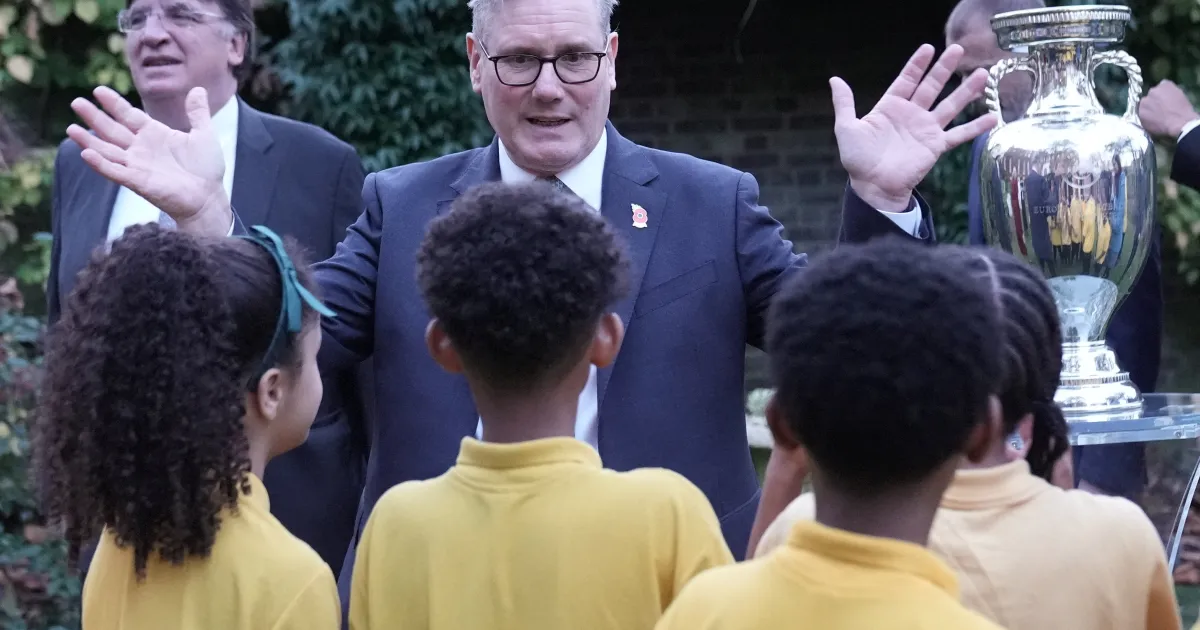
The UK government is set to introduce sweeping legislation aimed at protecting children from harmful content generated by AI chatbots and encountered on social media platforms.
Led by Keir Starmer, the reforms will impose massive fines or even block services for AI providers that put children at risk, following public outrage over Elon Musk’s Grok AI tool creating sexualised images in the UK.
Ministers are targeting a legal loophole in the Online Safety Act (OSA) that currently covers AI chatbots used as search engines or for pornography but fails to address material created by chatbots without internet searches.
This includes content encouraging self-harm, suicidal thoughts, or child sexual abuse material, leaving children vulnerable, as admitted by the online regulator Ofcom, which lacked enforcement powers against Grok.
Under the proposed changes, all AI chatbot providers must comply with illegal content duties outlined in the OSA. Breaches could result in fines up to 10% of global revenue, and regulators could petition courts to block services in the UK.
Starmer stressed the urgency: “Technology is moving really fast, and the law has got to keep up… Today we are closing loopholes that put children at risk, and laying the groundwork for further action.” Implementation could occur within weeks.

The reforms respond to troubling reports, such as those highlighted by NSPCC CEO Chris Sherwood. Young people have experienced harm from AI chatbots, including a 14-year-old girl receiving misleading advice on eating habits and body dysmorphia.
Sherwood warned that “AI is going to be [social media] on steroids if we’re not careful.” OpenAI has since introduced parental controls and age-prediction technology to mitigate such risks.
In parallel, Starmer intends to tighten regulations on children’s social media use, potentially implementing an under-16 ban and restricting features like infinite scrolling, subject to parliamentary approval.
The government also plans to consult on measures to prevent users from sending or receiving nude images of children, already illegal under existing law.
The proposed regulations have faced criticism from opposition politicians. Conservative shadow education secretary Laura Trott described them as “more smoke and mirrors,” while questioning Labour’s clarity on restricting under-16s from social media.
Technology secretary Liz Kendall countered, stating the government will act at pace to protect children, tightening rules on AI chatbots and preparing for consultation results on young users.
Child safety organisations welcomed the reforms. The Molly Rose Foundation called the measures a “downpayment,” urging stronger commitments to product safety.
Support hotlines include NSPCC (children: 0800 1111; adults: 0808 800 5000), Napac (0808 801 0331), Childhelp (800-422-4453, US), and Kids Helpline (1800 55 1800, Australia), with further resources via Child Helpline International.