U.S. Threatens Sanctions on Chinese AI Firms Over Alleged Intellectual Property Theft
U.S. Treasury Secretary Scott Bessent warns Chinese AI firms, including Moonshot, of possible sanctions over alleged intellectual property theft and AI model distillation, escalating U.S.-China tech tensions.
U.S. Treasury Secretary Scott Bessent has intensified his warnings to Chinese artificial intelligence (AI) companies, emphasizing that sanctions remain a strong possibility, particularly after a White House official accused the Chinese firm, Moonshot, of improperly distilling Anthropic’s Fable model.
This development has brought the complex issue of intellectual property (IP) theft in the rapidly evolving AI sector to the forefront of U.S.-China technological competition.
Model distillation is a widely utilized AI training technique where a smaller, more efficient model learns from the outputs of a larger, often more sophisticated one. While this process is a common and legitimate optimization method, it can also cross into the territory of intellectual property infringement.
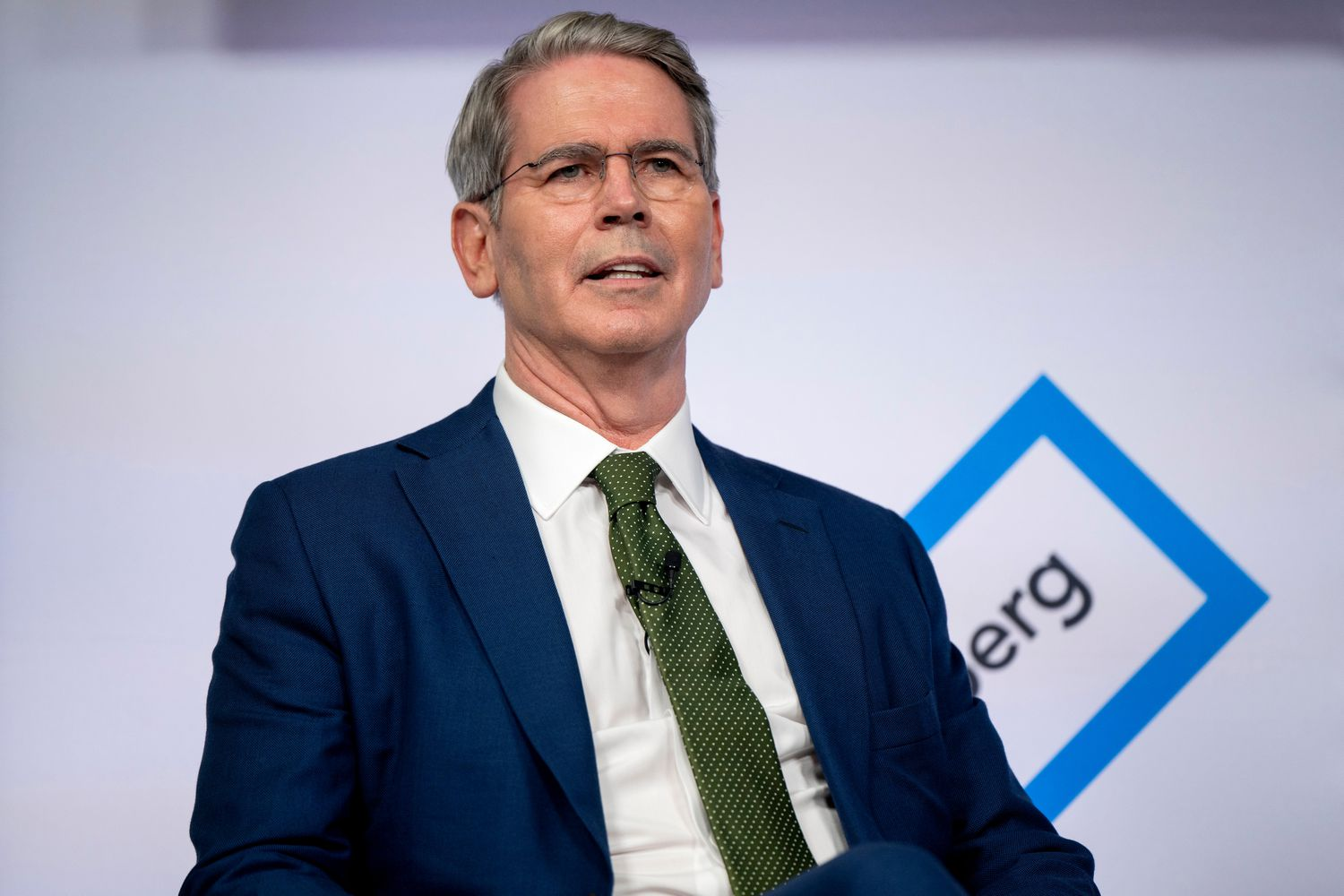
Secretary Bessent unequivocally stated his position on social media platform X, declaring, “Open source is not open season on American IP.”
He further cautioned that if Chinese firms engage in “covert, industrial-scale distillation attacks that cross the line into IP theft,” they could face severe repercussions, including sanctions and designations on the Entity List.
These latest remarks from Bessent follow an earlier declaration this week where he indicated the U.S. government’s intent to scrutinizeopen-source models originating from China for any signs of intellectual property theft, with a clear commitment to imposing sanctions where such theft is confirmed.
The urgency of Bessent's statements was amplified by accusations made by Michael Kratsios, the White House’s science and technology policy chief. Kratsios alleged that Moonshot had engaged in large-scale distillation against U.S. models and had acquired, or accessed in Thailand, Nvidia’s GB300-equipped servers.
These servers, part of Nvidia’s advanced Blackwell generation, are subject to U.S. export-control rules and are banned from being sold to Chinese companies, raising significant questions about potential violations by Moonshot in developing its AI models.
Moonshot, for its part, released its Kimi K3 model as an open-weight model last week, touting its advanced capabilities. Some experts, however, have expressed skepticism regarding the claim that Kimi K3 could have been primarily developed through distillation from Anthropic’s Fable, noting that Fable has only been publicly available since July 1.
Regardless, the emergence of Kimi K3 and its perceived capabilities have instigated broader questions within the AI industry, particularly concerning the foundational business models of leading U.S. AI labs.
There is growing doubt about their ability to sustain the immense capital investments required to compete in the frontier AI race, especially against challenges from rapidly advancing Chinese firms.
The entire episode has further intensified a critical debate within Washington policy circles regarding the increasing influx of Chinese open models. Influential figures, including Dean Ball, former White House AI adviser and current Head of Strategic Futures at OpenAI, have advocated for measures to restrict or effectively prohibit the use of Chinese open-weight models in the U.S.
Such restrictions, proponents argue, are essential to preserve America’s technological advantage and mitigate potential national security risks. As of now, both Moonshot and the U.S. Treasury have been contacted for further comment on these escalating tensions.