African Football Fever: CHAN 2024 Heats Up With Historic Milestones
The 2024 African Nations Championship (CHAN) sees Uganda Cranes achieve historic progress, while reigning champions Senegal prepare to defend their title. Beyond the football, the tournament offers insights into the critical importance of teamwork, fair incentives, and equitable selection criteria, principles that resonate across sports and business environments.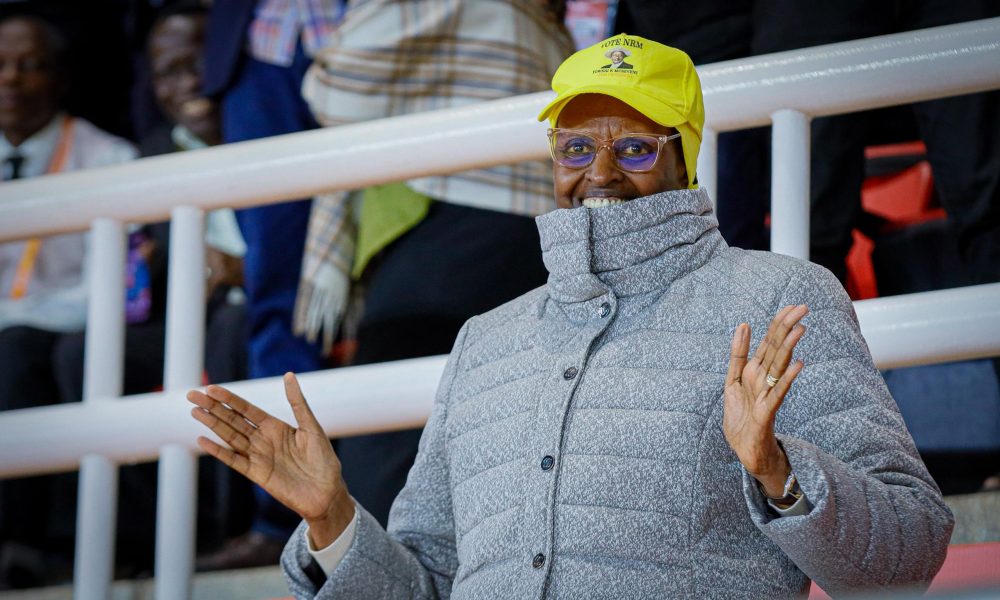
The 2024 TotalEnergies African Nations Championship (CHAN) is set to run from August 2nd to 30th, marking a significant event in African football. For the first time, the tournament is being co-hosted by three East African nations: Kenya, Uganda, and Tanzania, with matches scheduled across Nairobi, Kampala, and Dar es Salaam. This biennial tournament serves as a crucial platform for players who compete in their domestic leagues, allowing emerging local talents to showcase their skills on the continental stage.
Uganda Cranes have delivered a historic performance at the CHAN 2024, advancing to the knockout stages for the first time in the tournament’s history. Their qualification was secured after a dramatic 3-3 draw against South Africa at the Mandela National Stadium in Kampala, a result that saw them top Group C and ignite nationwide celebrations. First Lady Janet Kataha Museveni lauded the team, expressing immense pride and stating, “You have turned hope into history! With discipline, teamwork, and God’s grace, you’ve lifted our flag into the Quarter-Finals. The nation marches with you—TULUMBE!” Her message underscored the qualities of discipline, teamwork, and faith as key to their success, unifying the nation in a shared moment of pride. The Uganda Cranes are now set to face the runners-up of Group D in their quarter-final clash at the Mandela National Stadium.
Meanwhile, reigning CHAN champions Senegal have officially unveiled their 25-man squad, as they prepare to defend their title. Head coach Souleymane Diallo announced the squad, signaling the Lions of Teranga’s ambition to retain the prestigious crown they won in Algeria two years prior, where they triumphed in a dramatic final against the hosts in 2022. Coach Diallo emphasized his team’s commitment and hunger, stating, “We are heading into this tournament not as favorites, but as fighters ready to defend our legacy with humility and hard work.” Senegal has been drawn into a competitive Group D, alongside Congo, Sudan, and arch-rivals Nigeria, promising high-stakes drama as they aim to assert their dominance once again. Their squad selection marks the beginning of the countdown to what is anticipated to be one of the most competitive CHAN tournaments to date.
Lessons from the Harambee Stars' experience in a recent African Championship highlight valuable principles applicable beyond the football pitch, extending to business and organizational dynamics. A key takeaway is the paramount importance of teamwork. Often, before crucial international matches, teams might bring in foreign legion players at the last minute, disrupting the chemistry built during residential training camps. This can lead to a disjointed team performance, where tacticians express frustration and blame is unfairly apportioned to individuals. Similarly, in workplaces, a lack of cohesive teamwork can hinder delivery and foster blame-trading. Prioritizing employee team building and addressing factors that demoralize staff are crucial for productivity.
Another significant lesson revolves around incentivizing workers. The Harambee Stars were promised substantial amounts for wins and progression, which boosted morale. While such incentives can be effective, they raise ethical questions about whether players are motivated by patriotism or financial gain. This also creates disparities, with athletes in other disciplines questioning why they aren't similarly compensated. Organizations can apply this by offering cash bonuses or company shares for achieving targets, but it's important to ensure fairness. If an employee of the month scheme exists, recognition should genuinely reflect teamwork, not just individual effort, unless the achievement is truly unique.
Finally, the selection criteria for national teams, and by extension, promotions in organizations, demand fairness. Instances where a large number of players from a single club dominate the national squad, as Gor Mahia FC boasted for the Harambee Stars, raise concerns about meritocracy and exclude deserving players from other clubs. This can prevent talent from shining nationally and appreciating their value in the international market. Analogously, in organizations, promotions based on favoritism rather than merit can stagnate careers and lead to resignations. It is not uncommon for some organizations to prioritize hires from specific communities, leading to skewed ethnic balancing. Such practices can lead to public scrutiny and questions about true representation, especially during periods of underperformance, where team composition based on community rather than merit becomes a point of contention.