Africa Takes Flight: Kenya Airways Pioneers Sustainable Aviation with Historic Flight
Kenya Airways has successfully operated Africa's first intra-African flight using 50% sustainable aviation fuel (SAF) attributes, marking a pivotal moment for greener air travel on the continent. This Nairobi-Cape Town flight, part of the SkyTeam Aviation Challenge, showcased extensive sustainability initiatives from eco-friendly inflight products to innovative waste management and local sourcing. The airline is now working towards establishing SAF production capacity in Kenya by 2026.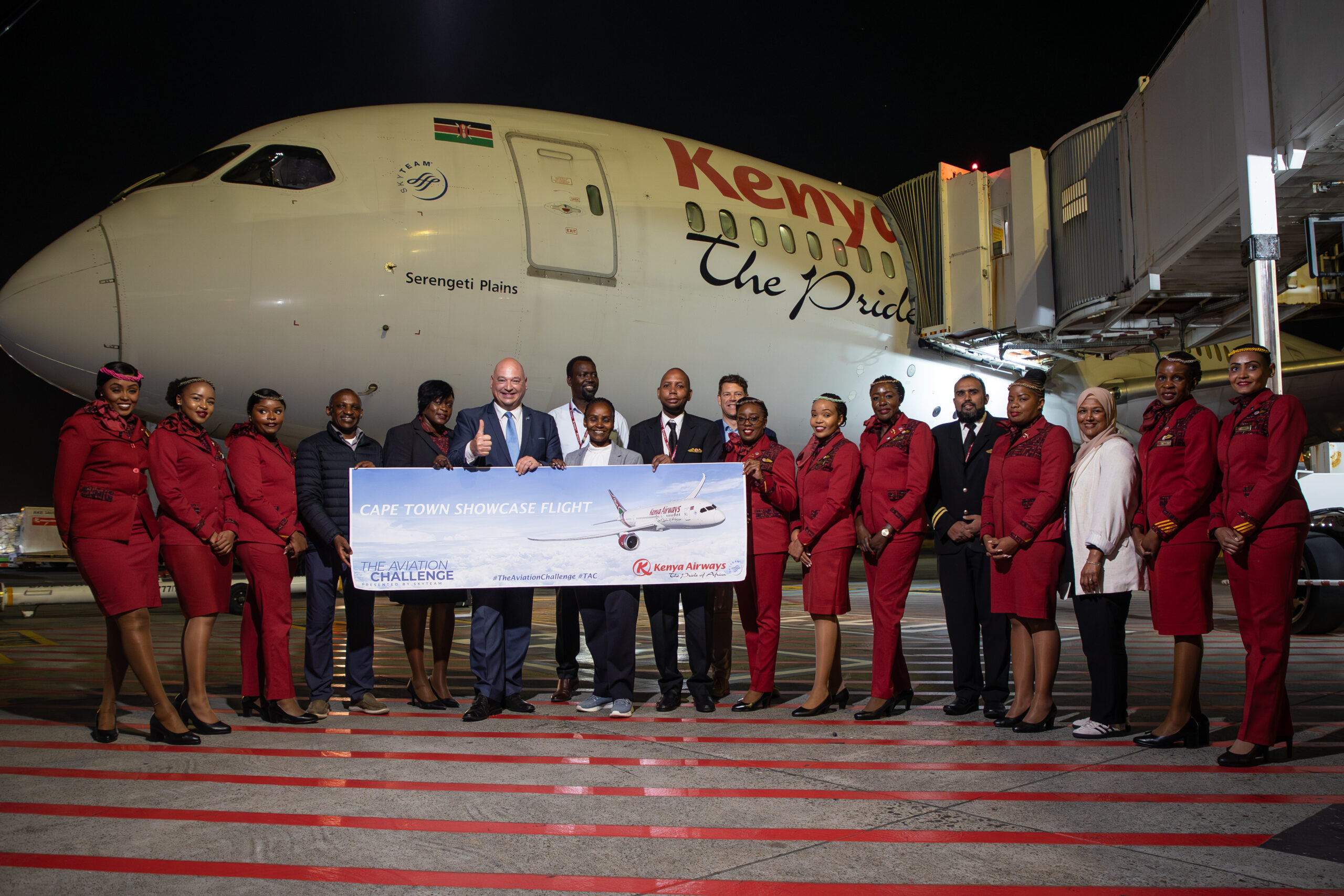
Kenya Airways has achieved a significant milestone in African aviation by operating the continent’s first intra-African flight using 50% sustainable aviation fuel (SAF) attributes. This pioneering Nairobi-Cape Town flight was a key component of the SkyTeam Aviation Challenge 2025, which carries the theme “Impact,” underscoring the airline's commitment to reducing its environmental footprint and driving greener air travel across Africa.
The operation adhered to rigorous international standards set by the International Air Transport Association (Iata) and the Carbon Offsetting and Reduction Scheme for International Aviation (Corsia). The SAF attributes, critical for ensuring traceability and transparency, were meticulously verified through global certification schemes. These attributes were derived from hydroprocessed esters and fatty acids (Hefa) feedstocks, which include waste materials such as used cooking oil. When produced and utilized directly, Hefa-based fuels offer a substantial reduction in greenhouse gas (GHG) emissions, potentially cutting them by up to 85% compared to traditional jet fuel. By applying these verified attributes, Kenya Airways effectively achieved a 50% SAF-equivalent operation on this route, demonstrating a practical and impactful step towards reducing emissions across its regional network.
Beyond the innovative use of SAF, the flight showcased a comprehensive array of sustainability initiatives as part of the SkyTeam Aviation Challenge. In the inflight products category, the airline implemented several measures to reduce waste, including the introduction of upcycled blanket bags and headset covers, alongside reusable cutlery. Catering services also saw significant enhancements towards sustainability; locally sourced Kenyan coffee and tea were served, plastic bottles were replaced with canned beverages, and reusable hot drink cups were integrated into service. Furthermore, robust waste management practices were employed, encompassing recycling of onboard waste and the systematic reuse of various service items. Cabin crew members actively engaged passengers throughout the flight, raising awareness and promoting responsible environmental practices.
Hellen Mwariri, Chief Strategy and Innovation Officer at Kenya Airways, emphasized the collaborative spirit behind this achievement, stating, “This flight shows what can be achieved through collaboration and innovation. It’s a step toward practical solutions that reduce our impact while keeping operations efficient.” Looking ahead, Kenya Airways is actively collaborating with a diverse group of stakeholders, including government agencies, local innovators, and prominent international partners such as Iata, SkyTeam, and the African Airlines Association. These partnerships are geared towards establishing local SAF production capacity in Kenya, with an ambitious target date of 2026, further solidifying the airline's dedication to a sustainable future for aviation.