Africa's Noise Culture: Why Have We Normalised Living in Constant Noise?
Africa’s noise culture has made constant noise feel normal. Here is why noise pollution is so widespread in Nigerian cities and the hidden health costs.
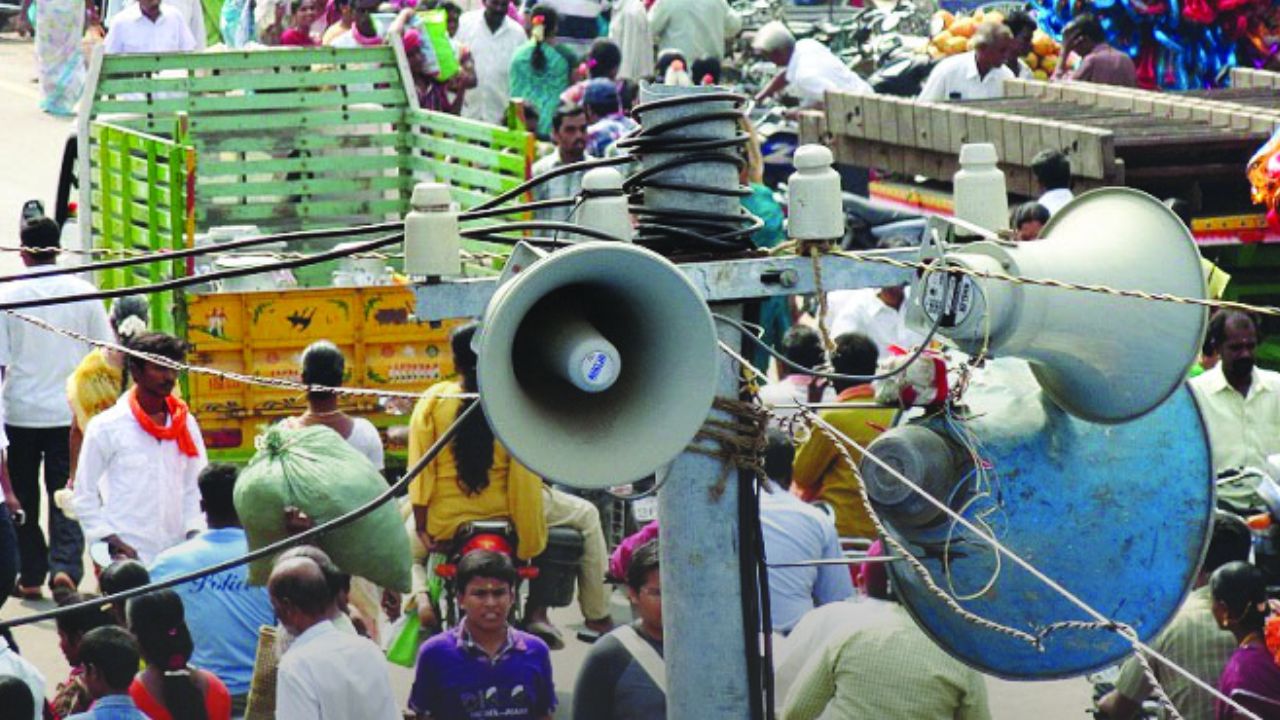
A generator sputters alive from the compound next door. A church vigil starts at midnight with speakers blasting in the streets. Somewhere down the road, an owanbeis in full swing with its music on until 12 midnight.
Nobody calls anyone to complain and the noise is not expected to stop. This is simply what it means to live in many African cities today, and Nigeria wears the crown for it.
Noise pollution in Nigeria has become so woven into daily life that flagging it often invites more criticism than the noise itself.
Say something about a mosque's speaker system blasting into your bedroom at 5 am., or a lounge that turns your street into a nightclub every weekend, and you risk being called anti-religious, joyless, or simply "not used to how we do things here."
The noise is never the problem. The person calling it what it is has always been the problem.
How Noise Pollution Became Normal in African Cities
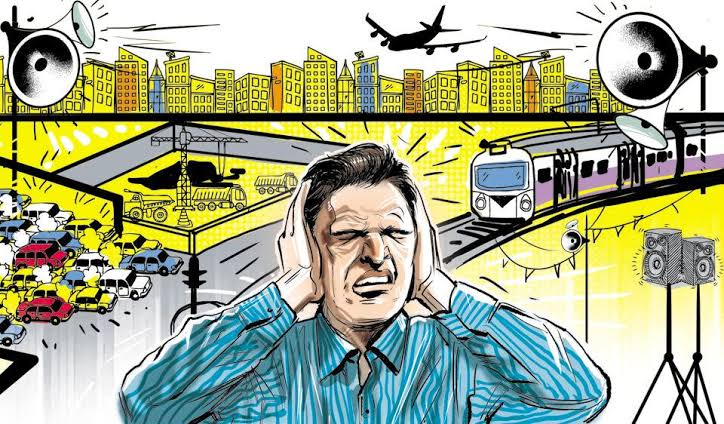
The scale of urban noise in African cities has changed. Rapid urbanisation packed more people, more churches, more mosques, more event centres, and more small businesses into spaces that were never planned to hold them.
A single street in Lagos might have a grinding mill, a barbershop with speakers outside, a car wash blasting afrobeats, and a church with an all-night programme and they are all within a few hundred metres of each other.
Because so many sources of noise are tied to religion, celebration, or commerce, the culture developed the unspoken rule where complaining about noise means complaining about someone's livelihood or someone's faith.
Owanbes have gone beyond partiesand are more of status symbols and community rituals. Church and mosque loudspeakers are treated as spiritual duty, not disturbance. Grinding mills and barbershops are survival businesses. To object to the noise feels, to many, like objecting to the person behind it.
This is how a public health and quality-of-life issue got rebranded as a personality flaw. The person disturbed by noise is framed as too sensitive, too foreign-minded or too individualistic for a culture that values communal celebration and open religious expression.
The Sources Nobody Wants to Talk About
Noise pollution in Nigerian cities rarely stays where it starts. A wedding reception's sound system doesn't respect the property lines. A mosque's call to prayer through amplified speakers reaches places it shouldn’t at odd hours. A lounge's bass travels through walls into homes with sleeping children and people who have to work by 7 a.m.
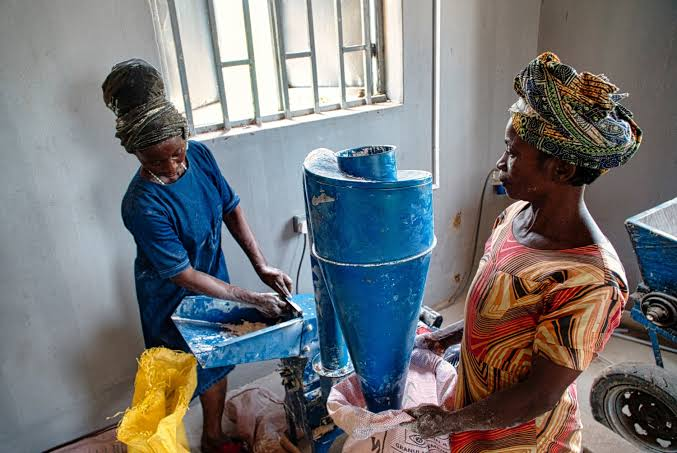
The major sources are familiar to anyone who has lived in major Nigerian cities. They include: places of worship with unregulated speaker volumes, event centres and street parties that run without time limits, nightlife spots operating in residential zones, generators running for hours because of unreliable power supply, and small businesses like grinding mills and barbershops that rely on speakers to attract customers.
Individually, each of these might be tolerable. Together, and daily, they create an environment where silence has become the exception rather than the norm.
Why Silence Feels Like a Foreign Concept
Ask anyone who has travelled abroad and met people from other countries what stands out about Nigerians, and volume often comes up early. We are told, often as a compliment wrapped in a joke, that we are loud, that we speak with our whole chests and that a normal conversation between two Nigerians can sound like an argument to outsiders.
Social Insight
Navigate the Rhythms of African Communities
Bold Conversations. Real Impact. True Narratives.
This is rarely surprising especially when a population grows up surrounded by constant ambient noise, the baseline for what counts as "normal" volume would naturally shift.
People raise their voices to be heard over background noise so often that it becomes second nature, even in quiet settings. Noise pollution doesn't just affect sleep and stress levels. It appears to be shaping how an entire population communicates.
The Health Cost Nobody Budgets For
Chronic exposure to high noise levels is linked to elevated stress hormones, disrupted sleep, hypertension, and reduced concentration. Children studying near noisy streets struggle to focus.
Adults working night shifts around louder neighbourhoods report worse sleep quality. None of this shows up in a hospital diagnosis labelled "noise pollution," which is part of why the issue stays invisible even as it accumulates real damage.
Unlike air pollution, which has visible symptoms and increasing public attention, noise pollution in Nigeria remains largely unregulated in practice, even where laws technically exist. Enforcement is inconsistent, complaints are rarely acted on, and the social cost of reporting a noisy neighbour or business often outweighs the benefit.
Rethinking Noise as a Shared Problem

Treating noise pollution as a personal annoyance rather than a collective urban health issue is what keeps the cycle going.
Changing this cycle doesn't require silencing celebration, faith or commerce. It requires acknowledging that shared spaces need shared limits, and that raising concerns about noise is not an attack on culture but a call for a healthier version of it.