Africa’s Debt Crisis vs. The Continent’s New Superpower: Can the AfCFTA Beat the Odds?
Can Africa trade its way out of a looming debt crisis? As the AfCFTA promises a unified market across 54 nations, the continent must battle economic strain, infrastructure gaps, and political mistrust. Here's what stands in the way—and what could tip the scale.
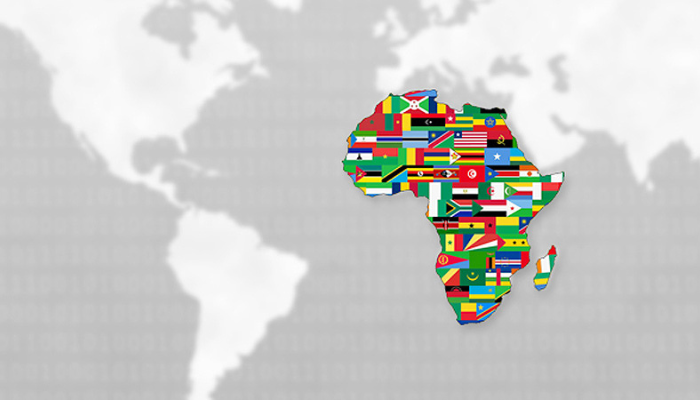
In 2020, Africa made history. Fifty-four countries signed on to the African Continental Free Trade Area (AfCFTA), a deal that promised to unlock intra-African trade and birth the largest single market in the world by number of countries. Fast forward five years, and the continent is stuck in a paradox. The plan is more integrated on paper, yet more indebted in practice.
Today, African economies are still buckling under the weight of debt.From Ghana’s sovereign default to Zambia’s prolonged negotiations with creditors, the headlines are loud. Yet behind the chaos, the AfCFTA quietly persists, hopeful.
So the question becomes: Can Africa trade its way out of a crisis it borrowed itself into?

Photo Credit: TheCable
Debt and the Deepening Hole
Africa is in a financial chokehold. It has been predicated that the continent’s total debt will surpass $1.3 trillion in 2025, with these external borrowings eating into the already fragile public finances.
It has been established that over 20 countries are either in debt distress or dangerously close to it. And it is not just the amount of debt that is alarming, rather, the cost of paying it back.
In some countries, debt servicing now gulps more than half of government revenues, drastically cutting the expenses on education, healthcare, infrastructure, and the very trade logistics the AfCFTA desperately needs.
Much of this debt came from pandemic-era bailouts, climate-related disasters, overdependence on raw commodity exports, and risky Eurobond issuances. Add to that the global interest rate hikes and a strong U.S dollar, and you have got ingredients for fiscal disaster.
Enter AfCFTA: Africa’s Big Bet on Itself
The AfCFTA was not born from a place of abundance. It rather emerged from a collective desire to shake off colonial trade patterns that made Africa depend on exporting raw materials and importing finished goods.
The goals are ambitious. First, eliminate tariffs on 90% of goods, then, create free movement of people and capital. Also, boost intra-African trade from the current 15% to over 50% and establish a continental customs union.
In essence, AfCFTA envisions an Africa that trades with itself, grows from within, and takes control of its oar.
But here is the thing: implementing that vision takes time, coordination, trust, and money. And that is the very thing many African governments now lack.
When Debt Undermines Integration
The relationship between debt and trade isn’t abstract; it is painfully direct.
When countries can’t afford to build or maintain roads, ports, digital systems, or electricity grids, trade dies before it even begins.
Debt distress means slashed capital budgets. It means fewer railways connecting Lagos to Accra, or Addis Ababa to Nairobi. It means more customs bottlenecks and informal levies that kill cross-border business.
Take Ghana, for instance. In 2021, it proudly hosted the AfCFTA Secretariat. In 2022, it defaulted on its debt. In 2024, inflation soared to over 23%, and the Ghana cedi crashed. Small businesses that once hoped to export chocolate or textiles across West Africa suddenly could not afford raw materials or shipping.

Meanwhile, Nigeria, one of Africa’s largest economies, talks big on AfCFTA but struggles with forex restrictions, fuel subsidy drama, and declining oil revenue.
The story repeats across the continent. Debt automatically weakens local industries, kills investor confidence, and suffocates the very private sector AfCFTA was meant to empower.
There Is Promise
There is still hope for AfCFTA. Because, for all its imperfections, it remains one of Africa’s most forward-thinking projects.
Even with weak infrastructure, traders are finding creative ways to beat the odds. In East Africa, digital logistics platforms like Lori Systemsare helping SMEs move goods faster across borders. In Southern Africa, cross-border fintech platforms are making payments easier for informal traders.
And the potential is staggering. Processed food exports instead of raw crops. Local fashion markets connected across regions. Car parts made in one country, assembled in another. Digital goods and services traded across cloud networks.
According to the World Bank, AfCFTA could lift 30 million people out of poverty and boost Africa’s income by $450 billion by 2035, if fully implemented. That is not a small promise, that is transformation.

Photo Credit: OpenAccess
The Real Problem: Trust and Will
But implementation has been slow. Tariffs have been removed on paper, yet customs officials still ask for bribes. Trade protocols are agreed on in summits but forgotten at borders.
Some countries fear they will lose more than they gain, especially those with their fragile manufacturing bases. Others worry about cheap goods flooding local markets. The lack of political trust, born from decades of military regimes, coups, and neo-colonial interference, makes unity hard to sustain.
There is also the issue of insecurity. From jihadist violence in the Sahel to civil wars in Sudan and Ethiopia, large parts of the continent remain untradeable by any standard. AfCFTA was built for peace, but peace is not guaranteed.
What Must Be Done?
1. Restructure Debt But Strategically
Africa needs breathing space. But that doesn’t mean another round of IMF austerity. Debt relief must come with investment in productive sectors, not public sector layoffs and school closures.
2. Invest in Trade Infrastructure
Roads, ports, electricity, logistics hubs are needed. Without these, AfCFTA is a dream deferred. This is where public-private partnerships and regional development banks must step in.
3. Digital First
Paper-based trade systems must go. A digital single window for all 54 countries is not optional. Rather, it is urgent.
4. Empower the Private Sector
Youth-led businesses, women-led enterprises, and informal traders must be brought into the fold. They’re already trading, just not a large scale.
5. Speak with One Voice Globally
Africa needs a collective stance on global financial reform. Whether it is Special Drawing Rights (SDRs) from the IMF or climate finance, the continent must demand fairer treatment with AfCFTA as its bargaining chip.
Can AfCFTA Beat the Odds?
The truth is, AfCFTA alone won’t save Africa. It is not a magic wand, and it won’t cancel debts or fix failed leadership. But it might just be the most powerful weapon Africa has ever forged against economic dependence.
It is a bet on ourselves, on our people, our goods, our languages, our roads, our trust.
And in a world that is increasingly shutting its borders and hoarding its wealth, that bet may be our only real shot at economic freedom.
Whether AfCFTA becomes a forgotten policy or a lifeline will depend not just on ministers and trade envoys, but on whether Africa can finally put itself first.