Africa's Dark Files: How Four Takoradi Girls Vanished and Were Found Buried Beneath a Killer's Home
Four girls disappeared from Takoradi in 2018. Discover how investigators uncovered their remains, the controversial DNA evidence, and the trial that ended in death sentences.
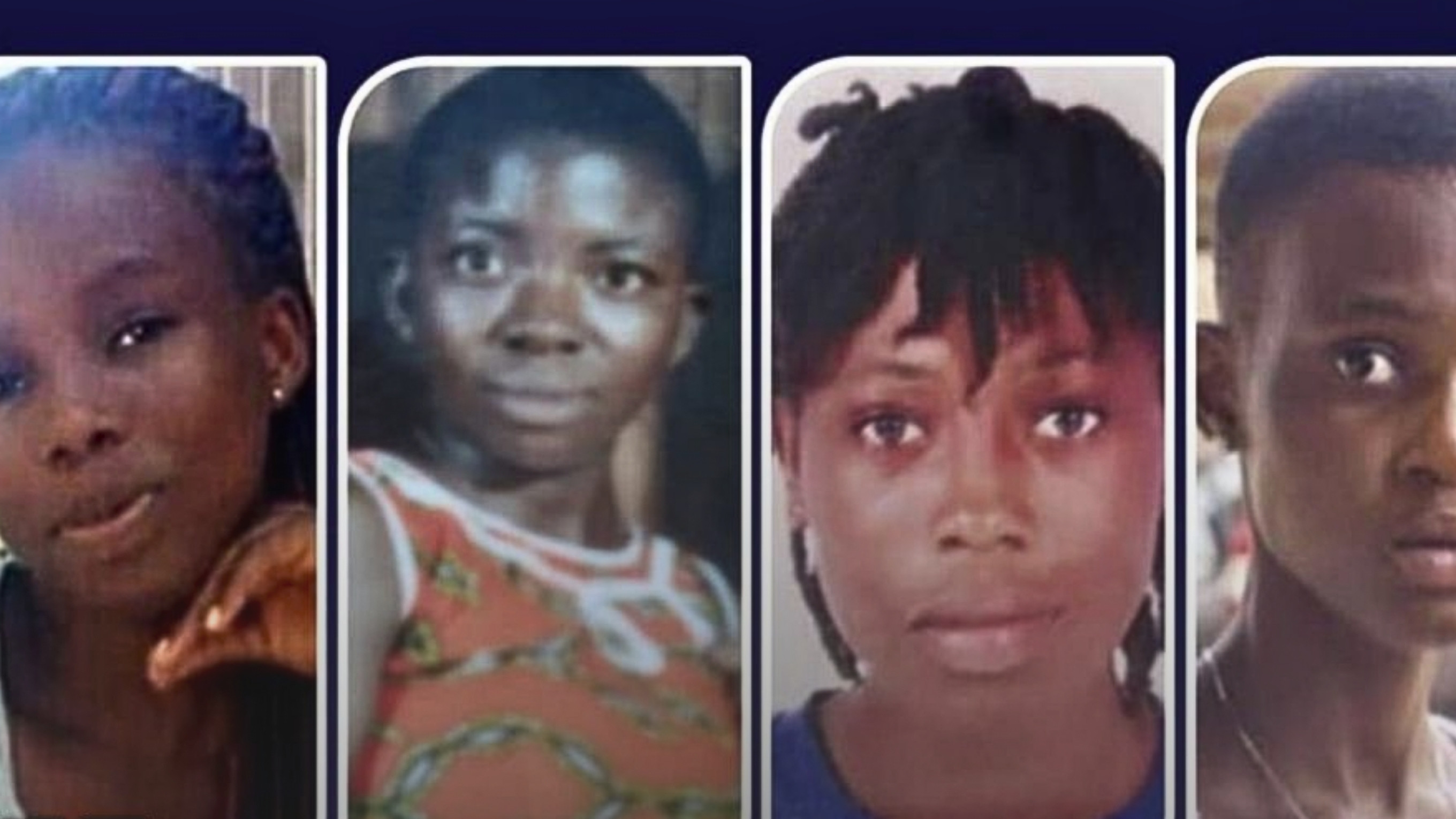
Sekondi-Takoradi is a port city. It hums with oil money and fishing nets and it is not the kind of place where girls simply vanish. But then, between July and December 2018, they did.
First came Ruth Abakah, 19; she disappeared from Diabene in July. Then Priscilla Blessing Bentum, 21, disappeared from Kansaworodo on August 17.
Ruth Love Quayson, 18, was last seen at Butumagyebu Junction on December 4; that day she called home in a low, frightened voice, telling her family she had been taken by strangers and didn't know where she was.
Priscilla Mantebea Koranchie, 15, vanished from Nkroful on December 21. These were four girls within five months, in one city.
The pattern was unmistakable to everyone and the kidnappers were not even subtle.
They called the families and demanded for ransoms. In Ruth Love Quayson's case, her sister later recounted that Ruth had called their mother from a stranger's phone, crying, saying she had been put in a room and they were demanding 500 Ghana cedis for her release.
The family went immediately to the MTN office, then to multiple police stations. At one station, they were told that officers already had an unresolved kidnapping case and should try elsewhere.
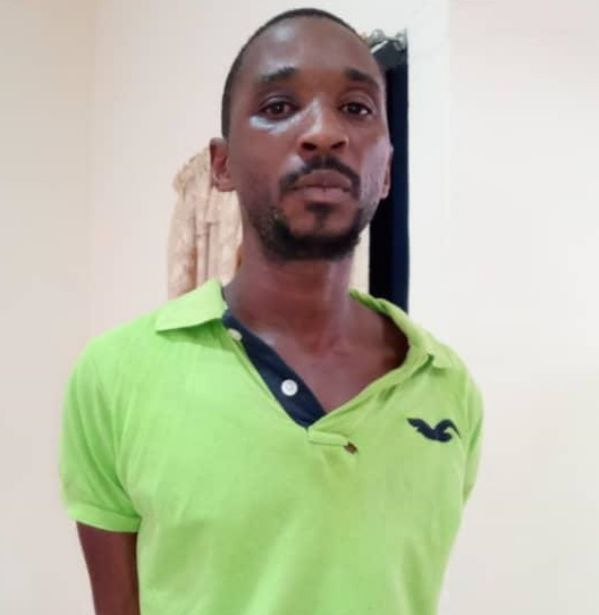
The Suspect in Plain Sight: Who Was Samuel Udoetuk Wills?
Samuel Udoetuk Wills was a Nigerian living in Kansaworodo, a suburb of Sekondi. Investigators would later establish through phone records and Facebook chats that he had called Priscilla Blessing Bentum on August 17, 2018, the same day she disappeared.
Prosecutors established that he had used the promise of job opportunities to lure at least one victim. Priscilla Koranchie's father told police that Wills had approached his daughter at Butumajebu junction with an offer of employment, after which she called home in a low voice saying she couldn't speak and had been taken somewhere in a car.
In December 2018, police traced ransom call money and arrested Wills. He escaped custody on December 30.
For three days, he was a fugitive. He was rearrested on January 3, 2019. On January 4, residents took to the streets in the first of what would become multiple public demonstrations, demanding answers the police had not yet given.
Wills confessed to involvement in the kidnappings but, as investigators would later confirm in court, led police on an extended and deliberate misdirection, one that reached as far as Nigeria, without yielding any trace of the girls.
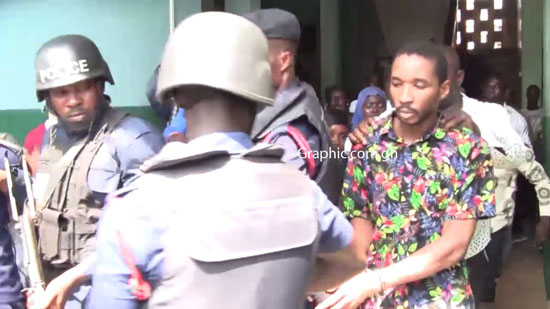
His accomplice, John Orji, was arrested on June 4, 2019, at Aflao on the Ghana-Togo border.
Bones in a Septic Tank: The Discovery That Changed Everything
Between August 2 and 6, 2019, investigators searched the Kansaworodo property where Wills had lived. They found skeletal remains in the septic tank alongside earrings, fingernails and artificial teeth.
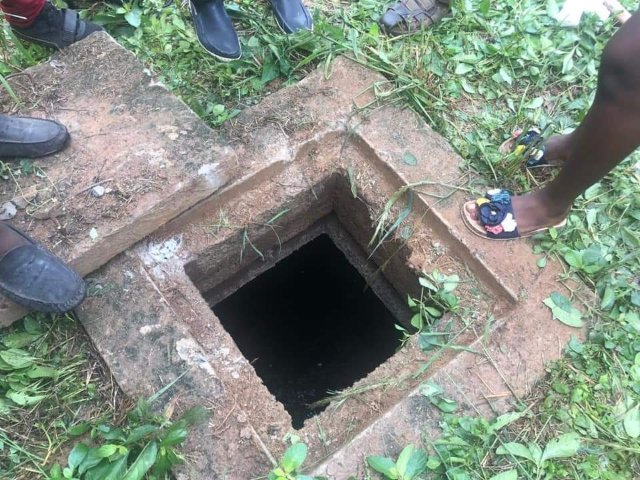
Days later, a third set of remains was found in a well near an uncompleted building in Nkroful, the same area where Wills had been recaptured after his escape. A piece of clothing found at that location was identified by a victim's father as belonging to his daughter.
The remains were transported to Accra for forensic analysis. The Ghana Police Service's Criminal Investigations Department conducted DNA profiling by extracting samples from the skulls and cross-referencing them with buccal swabs from the parents and siblings of the four girls.
The results, announced by Inspector General of Police, James Oppong-Boanuh in September 2019, confirmed what families had feared: all four girls were dead.
When Grieving Parents Rejected the Evidence: The DNA Controversy
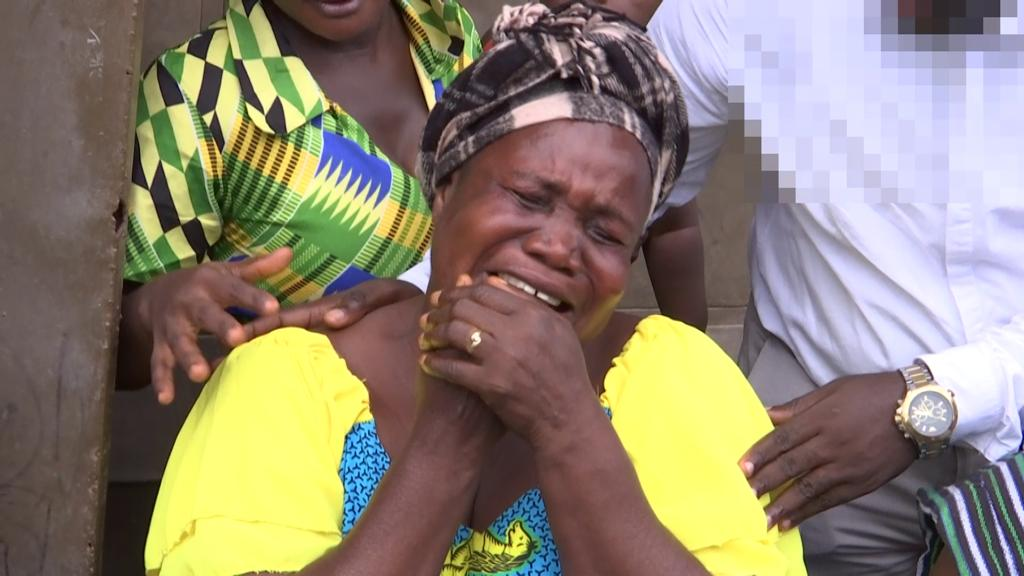
The DNA didn’t console the families as several of them refused to accept the results, questioning the process from the start.
They pointed out that the police had taken the remains directly to Accra without showing them to next of kin. Some called for an independent DNA examination.

Others noted that the same police force that had spent months assuring them the girls were alive was now declaring them dead, and they could not reconcile those two positions.
In court, defence counsel for Wills challenged the integrity of the investigation, suggesting police had targeted Wills and not pursued other leads.
The prosecution witness, Detective Chief Inspector Dorcas Asare, pushed back firmly, noting that Facebook conversations on Orji's phone had revealed coded language related to kidnapping and blood sacrifice, and that phone records placed Wills in direct contact with at least one victim before she disappeared.
Forensic scientists later reaffirmed before the Sekondi High Court that the DNA match probability for each victim was 99.99%, with Combined Paternity Index figures reaching as high as 25,767 for one of the skulls.
Some families, even after the verdict, continued to maintain that the bones did not belong to their daughters. One grandfather, guardian of Ruth Abakah, told reporters outside the court that he rejected the findings entirely.
Eight Counts, Two Nigerians, One Death Sentence: Inside the Trial
The trial before Justice Richard Adjei-Frimpong at the Sekondi High Court ran for nearly two years. Chief State Attorney Patience Klinogo led the prosecution, arguing that Wills and Orji had acted with common criminal purpose across all four kidnappings and killings.
She noted that both men had contradicted themselves in cross-examination when compared against the signed statements they had given police, and that Orji had been unable to provide an alibi for the relevant periods.
On March 5, 2021, a seven-member jury returned guilty verdicts on all eight counts of conspiracy to murder and murder.
Wills and Orji were sentenced to death by hanging. The judge reminded their counsel of a 30-day window to appeal.
The courtroom outside was heavy with competing emotions. Relatives who believed in the convictions sat alongside families who still disputed that the bones were their daughters'.
Amnesty International Ghana used the moment to question Ghana's continued reliance on capital punishment, noting that no execution had been carried out in the country since 1993, and that the constitution requires a sitting president to personally sign any death warrant.
What the Takoradi Girls Case Exposed About Missing Persons Failures in West Africa
There were structural failures that led to the death of these girls and they are not incidental. Ruth Love Quayson's family went to the MTN office and three different police stations on the same day she called for help and no coordinated response materialised.
The police, by their own admission, repeatedly told families the girls were alive and would be found; these assurances were later described by the CID boss as having been misunderstood.
The case only gained national traction after families went public in January 2019 and citizens organised the #BringBackOurTaadiGirls campaign, which pulled in musicians, civil society groups and eventually the Western Regional Police Commander into public accountability.
For months, the system did not treat four missing young women as an emergency. It took bones in a septic tank to change that.