Africa and the Solar Challenge: Chasing Light in the Land of the Sun

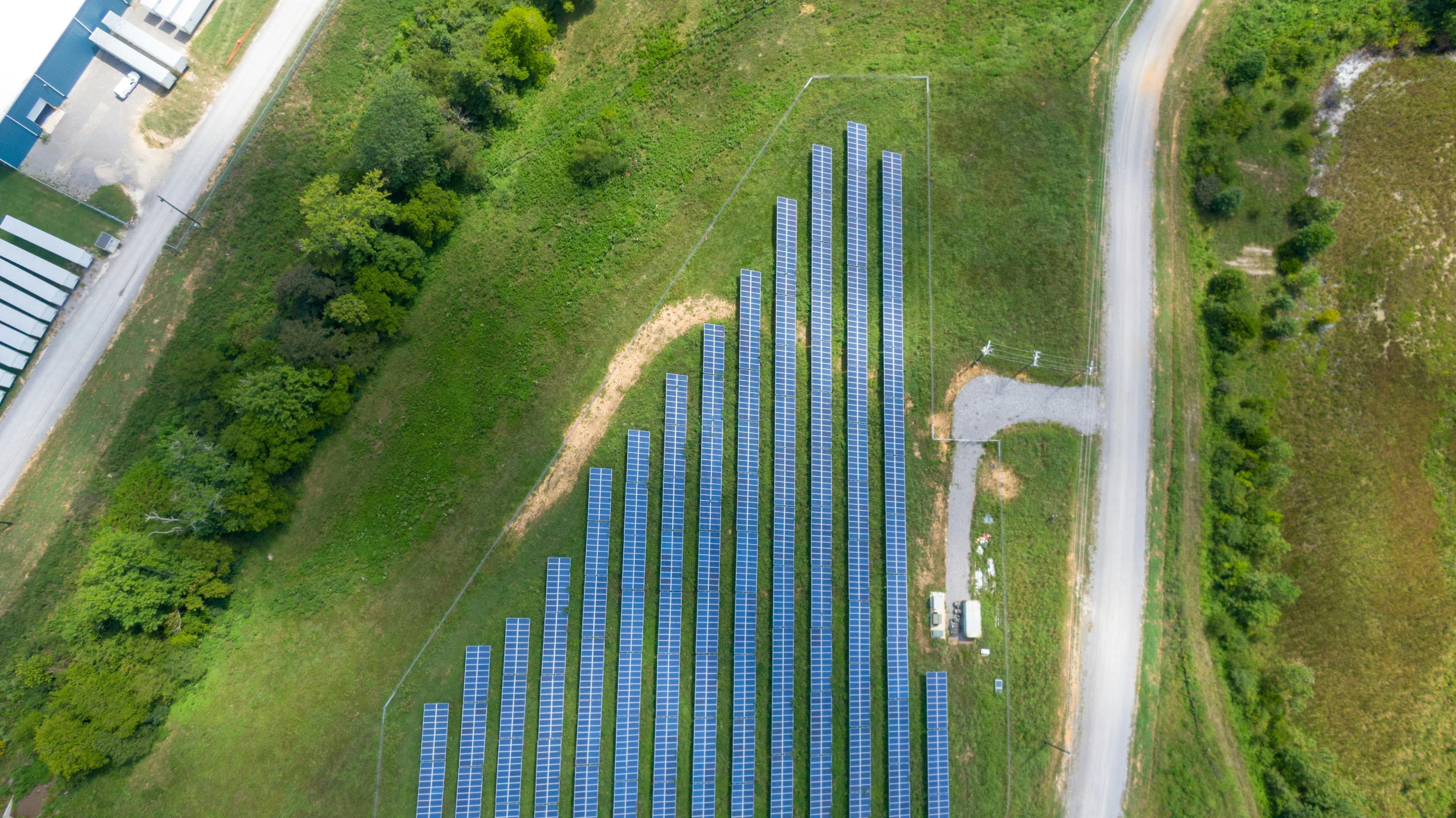
In the wide, arid stillness of the Sahara Desert, the sun blazes unyielding from dawn to dusk. Every day, every square meter of that desert receives more energy from the sun than many entire regions do in weeks. It's a spectacle of raw natural power—free, renewable, and in generous supply. Yet, for all its abundance, solar energy remains a largely untapped force across Africa and much of the sunniest parts of the world.
This is not for lack of imagination. For years, scientists, policy makers, and dreamers have envisioned a solar-powered future—where deserts become energy farms, where rural villages glow by night, and where light becomes the great equalizer. But the promise remains distant, its realization complicated by infrastructure gaps, global economic dynamics, environmental concerns, and the intricate politics of energy.
The Weight of Sunlight
There’s a paradox at the heart of the solar energy story. The Earth receives enough sunlight in one hour to meet the world’s energy demands for an entire year. And yet, only a tiny fraction of global electricity—just around five percent—is currently generated through solar power.
The reason lies partly in geography. Many of the countries that receive the most sunlight—those in Africa, the Middle East, and parts of South Asia—also face some of the greatest challenges in adopting large-scale solar energy. Poor grid infrastructure, limited access to financing, and inconsistent government policy often mean that even when the panels are there, the systems needed to store and distribute the electricity lag behind.
Still, the solar energy potential of Africa is unrivaled. In countries like Niger, Chad, and Sudan, average solar irradiance levels exceed 2,000 kilowatt-hours per square meter per year.That kind of exposure means that one square kilometer of solar panels in the Sahara could generate around 250 gigawatt-hours of electricity annually—enough to power hundreds of thousands of homes.
The oft-quoted idea that just one percent of the Sahara Desert, if covered in solar panels, could power the entire world is technically true. But the full picture is far more complex. It would require thousands of kilometers of transmission lines, highly secure infrastructure, sustainable storage systems, and an unprecedented level of international cooperation.
The Lifespan and Legacy of a Panel
At the heart of the solar revolution is a simple device—the photovoltaic panel. It is elegant in its function, turning sunlight into electricity through semiconductors, most commonly silicon. A typical panel lasts about 25 to 30 years, after which its efficiency declines and it must be replaced or repurposed.
But these panels are not without their environmental cost. Their production involves high-energy processes, and their components—glass, aluminum, silicon, silver, and occasionally lead or cadmium—are drawn from global supply chains that span continents. The vast majority of solar panels are manufactured in China, which dominates over 80% of the global production, including the upstream materials like polysilicon.
Once a panel reaches the end of its life, disposal becomes an issue. As of now, recycling infrastructure is limited, especially in developing regions. By 2050, the world could face over 70 million tons of solar panel waste, and yet the ability to recover valuable materials like silver or silicon remains limited. This adds another layer to the solar conversation—how to ensure that clean energy today does not become tomorrow’s pollution.

Intermittency, Storage, and the Grid
Harnessing sunlight is only part of the equation. The greater challenge lies in storing it for when the sun is not shining. Solar energy is inherently intermittent. Nights, cloudy days, and seasonal changes can all interrupt supply. That’s where batteries come in.
Modern solar systems rely heavily on lithium-ion batteries, which are efficient but come with their own environmental and geopolitical concerns. Cobalt, often used in these batteries, is mined largely in the Democratic Republic of Congo, under conditions that have drawn global criticism. The need for energy storage also raises costs—batteries remain expensive, degrade over time, and pose recycling challenges of their own.
Additionally, many countries lack the kind of smart grid infrastructure needed to integrate solar power seamlessly.A grid refers to the system of power lines, substations, and transformers that deliver electricity from power plants to homes and businesses. It’s the infrastructure that allows for the distribution of electrical energy across regions. In rural Africa, where power lines are scarce, the solution has often been to leapfrog traditional grids altogether. But in urban areas, integrating solar into existing grids requires major upgrades and sophisticated energy management systems.
How many panels would I need?
In a country like Nigeria, where access to electricity is inconsistent, solar panels can be a powerful solution for households looking for reliable energy. For an average Nigerian household consuming around 300-400 kWh per month, you'd typically need 10-15 solar panels (assuming each panel generates about 300 watts under ideal conditions). However, the roof space required for these panels can be significant.
How much power will it provide?
In Nigeria, where sunlight is abundant (especially in the northern and central regions), solar panels can generate significant amounts of power. On average, each panel produces around 300 watts per hour in full sun. Therefore, for an average home, a system of 10-15 solar panels can cover the daily energy needs of around 1-2 kilowatt-hours (kWh) per day. However, in regions with more cloudy days or during the rainy season, the power output might be lower, requiring larger or more efficient systems.
Space limitations
Many Nigerian homes, especially in urban areas, have limited roof space or poorly constructed roofs that may not be suitable for solar panel installations. In densely populated cities like Lagos, where high-rise buildings and tight living conditions prevail, finding enough space for solar installations becomes a challenge.
Upfront costs
In Nigeria, the cost of installing solar panels remains high for most households, especially with import duties on solar equipment and installation services. A typical solar setup for a home can cost between ₦1,500,000 to ₦3,000,000 for a system that can power basic household needs. This is a substantial amount of money considering Nigeria’s median income is much lower than in more developed countries.
What needs to be done to maintain the panels?
Solar panels in Nigeria require minimal maintenance once installed, but regular cleaning to remove dirt, dust, and debris is important, especially in the northern and dusty regions. The panels' efficiency can drop if they are not cleaned, so periodic washing (about every 6 months) is recommended.
Inverter and battery maintenance:
The inverters, which convert the direct current (DC) produced by the panels into alternating current (AC), typically last between 10-15 years, but they will need maintenance or replacement after that period. Inverter failure can be costly to fix, particularly if the system is out of warranty. The battery, which stores the excess energy produced by the solar panels, also requires regular checks and maintenance. In Nigeria, batteries can be quite expensive, and the harsh heat can shorten their lifespan, necessitating more frequent replacement (typically every 3-5 years).
Energy storage with batteries:
To ensure uninterrupted power supply, many Nigerian households using solar panels invest in battery storage systems. However, the high cost of batteries and their limited lifespan remain significant barriers. A fully equipped solar system with battery storage could add an additional ₦1,000,000 - ₦1,500,000 to the overall cost, making it unaffordable for many Nigerians.
Solar Adoption Across Africa: Leading the Charge
While Africa’s solar potential is vast, the actual adoption of solar technologies varies widely by country. According to recent data from the Africa Solar Industry Association (AFSIA) and other industry sources, these figures reflect the latest reports on solar capacity in Africa.
- South Africa – 5,000 MW
South Africa remains the continent's leader in solar energy, adding approximately 1.1 GW in 2024, bringing its total installed capacity to around 5,000 MW. - Egypt – 2,800 MW
Egypt ranks second in Africa, with an installed capacity of about 2,800 MW by the end of 2024. - Morocco – 1,700 MW
Morocco has invested heavily in solar power, reaching over 1,700 MW of capacity, blending concentrated solar power and photovoltaic technologies. - Kenya – 700 MW
Kenya, a pioneer in off-grid solar home systems, has installed roughly 700 MW, powering both urban and rural areas with solar mini-grids and pay-as-you-go models. - Tunisia – 400 MW
Tunisia has deployed over 400 MW of solar power, utilizing both large-scale projects and distributed solar solutions to diversify its energy mix. - Nigeria – 385.7 MW
Nigeria's installed solar capacity rose to 385.7 MW by the end of 2024, driven largely by rural electrification initiatives and private-sector solar companies. - Zambia – 350 MW
Zambia has made significant progress in solar mini-grids and utility-scale projects, reaching approximately 350 MW of installed solar capacity. - Ethiopia – 300 MW
Focused on rural electrification and expanding grid-connected solar, Ethiopia has installed close to 300 MW, improving energy access in off-grid regions. - Ghana – 250 MW
Ghana's solar capacity exceeds 250 MW, propelled by government incentives and growing private sector engagement. - Uganda – 200 MW
Uganda rounds out the top ten with about 200 MW, relying heavily on off-grid solar solutions that have transformed energy access in remote communities.
Africa’s Light Ahead
While these figures are promising, they represent just a fraction of Africa’s solar potential. Experts estimate that the continent could generate over 10 terawatts of solar energy annually if fully developed—a staggering opportunity to power development sustainably and equitably.
There is no doubt that Africa holds a central place in the world’s solar future. The continent’s vast open lands, high solar radiation, and growing demand for electricity make it not just a beneficiary but a potential leader in the global clean energy transition. But that future must be shaped deliberately. It must involve not just investment, but community engagement.