7 Countries That Don’t Celebrate New Year on January 1st
The New Year doesn’t begin on January 1 for everyone. Here are 7 countries where time, culture, and tradition decide when the year truly starts
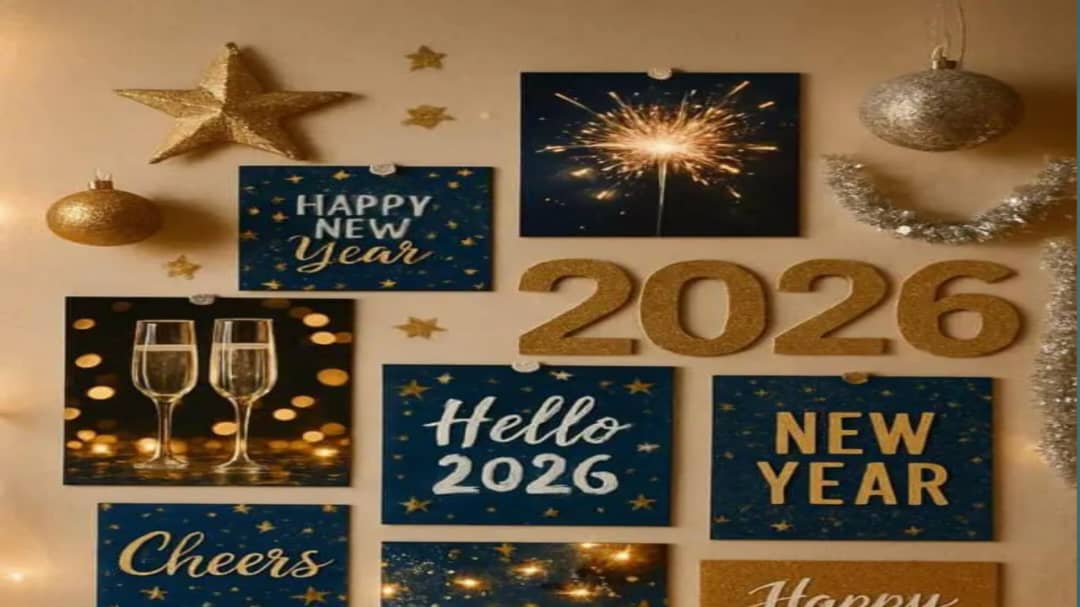
While you’re in church counting down into the new year, shouting “Happy New Year!” and hugging strangers at 12:00 a.m., people on another side of the world are doing absolutely nothing.
No fireworks, no countdown, and no new calendar on the wall. For them, January 1st is just another day, because the idea of a “new year” isn’t tied to a global clock but to culture, religion, seasons, and centuries-old calendars that refuse to be rushed.
Across the world, millions of people welcome a new year only when the moon shifts, the sun crosses an equinox, or a sacred month begins.
Time, in these places, is not a Western reset button. It is negotiated with history, belief, and nature itself. Here are seven countries where the year does not begin on January 1, and why.
Saudi Arabia
The Islamic New Year and the Hijri Calendar
In Saudi Arabia, the New Year follows the Islamic Hijri calendar, a lunar system that tracks the movement of the moon rather than the sun. The year officially begins with the sighting of the new moon marking Muharram, one of Islam’s four sacred months.
Because the Islamic calendar is about eleven days shorter than the Gregorian calendar, the New Year shifts earlier every year. It is observed quietly, without fireworks or large public celebrations, focusing instead on reflection, prayer, and spiritual renewal.
January 1 passes like any other day.
Iran
Nowruz and the Spring Equinox
Iran’s New Year, Nowruz, is one of the oldest continuously celebrated festivals in the world. Rooted in pre-Islamic Persian culture, Nowruz is tied to the Solar Hijri calendar and begins precisely at the spring equinox, usually around March 21.
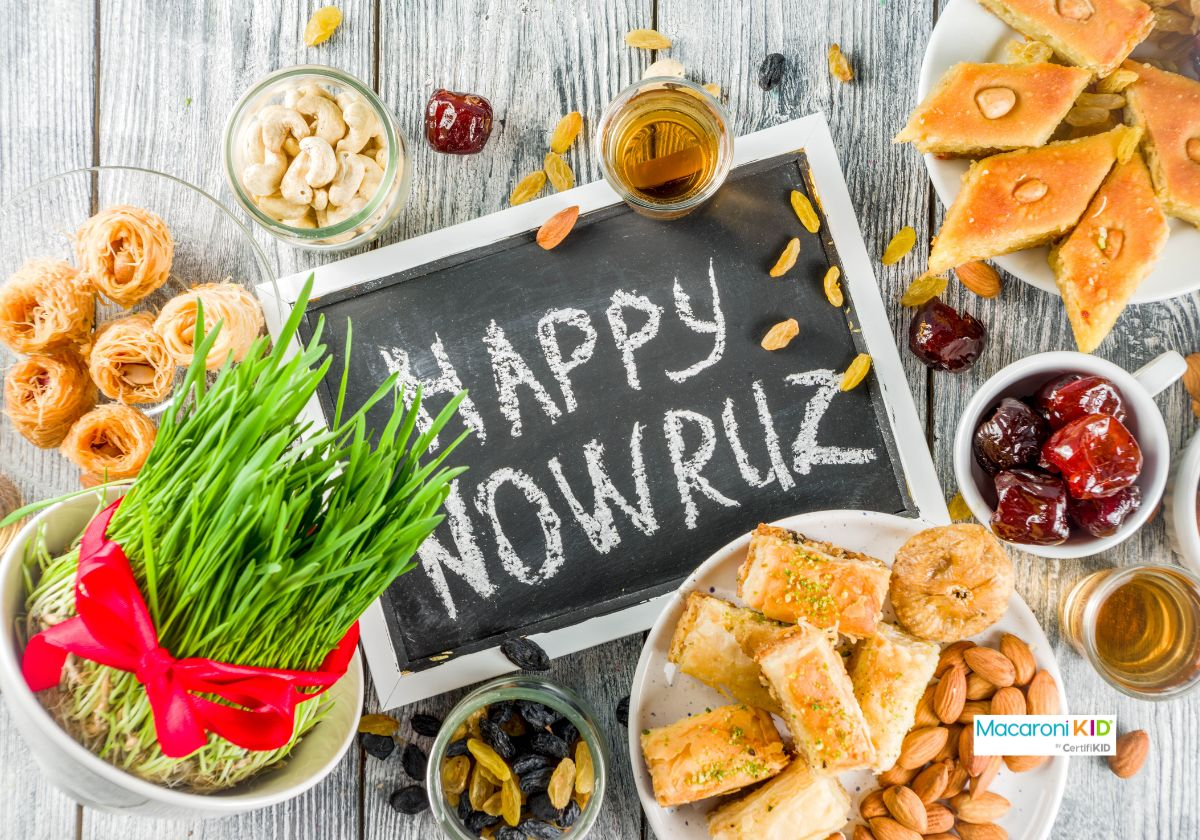
Nowruz is about rebirth. Homes are cleaned, symbolic tables called Haft-Seen are set, and families gather to mark the transition from winter into spring. The holiday lasts nearly two weeks and blends nature, history, and hope in a way January 1 never could.
Nowruz is also celebrated beyond Iran, in Afghanistan, Azerbaijan, parts of Central Asia, and regions with deep Persian cultural influence.
China
The Lunar New Year and the Spring Festival
China does not recognise January 1 as its traditional New Year. Instead, the Lunar New Year, also called the Spring Festival, follows a lunisolar calendar that combines moon phases with solar cycles.
The date changes yearly, falling between late January and mid-February. It is China’s most important holiday, centred on family reunions, ancestral honour, symbolic foods, and wishes for prosperity.
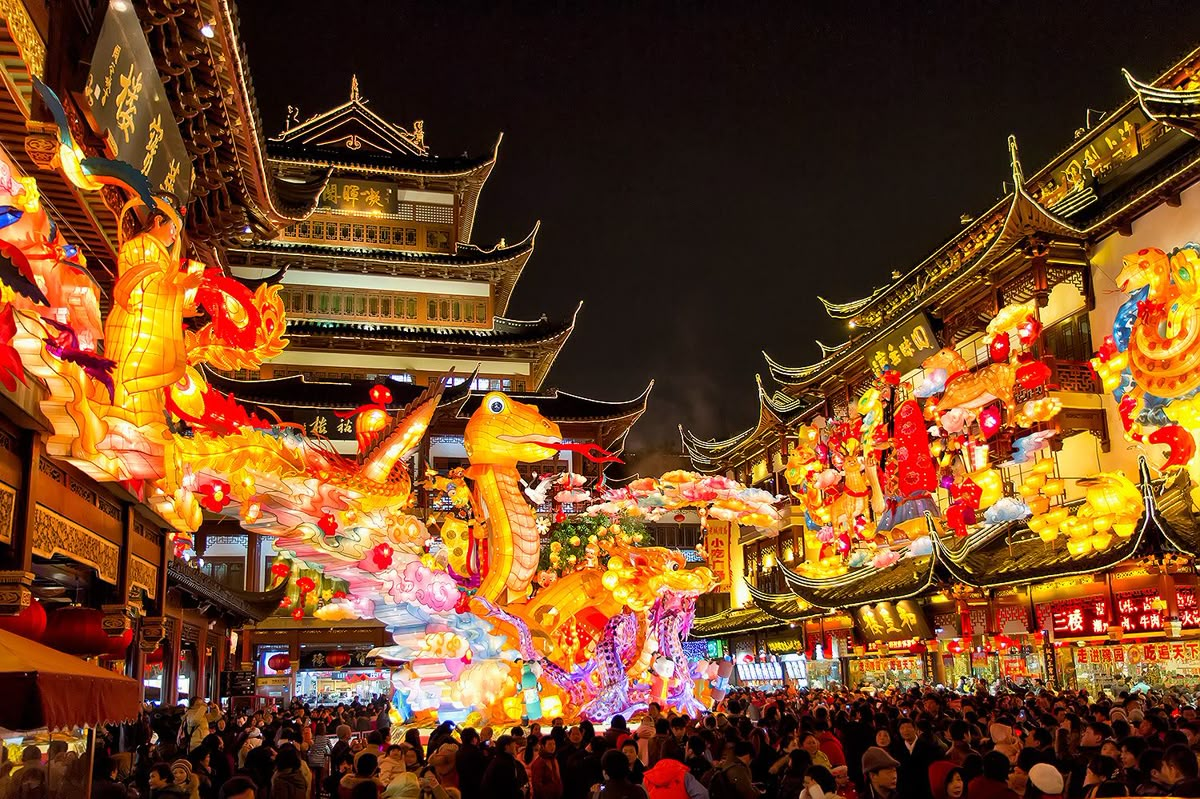
Red decorations, fireworks, and public travel dominate the period, making it less about counting seconds and more about resetting family and fortune.
India
Many Calendars, Many Beginnings
India does not have a single New Year. Its diversity makes that impossible.
Different regions and religious communities follow different calendars; solar, lunar, and lunisolar, resulting in multiple New Year celebrations spread across the year. Ugadi, Gudi Padwa, Vishu, Pohela Boishakh, and Diwali all mark New Year moments depending on location and belief.
While January 1 is recognised for administrative purposes, it carries little cultural weight compared to these traditional dates, which are tied to harvest cycles, mythology, and regional identity.
Vietnam
Tết and the Lunar Calendar
Vietnam celebrates New Year through Tết Nguyên Đán, commonly shortened to Tết. Like China, Vietnam follows a lunar calendar, meaning Tết usually falls between late January and early February.
Tết is the most important holiday in Vietnamese culture. It marks renewal, family unity, respect for ancestors, and the hope for good fortune. Businesses close, cities slow down, and families return home.
January 1 exists, but Tết is when the year truly begins.
Bangladesh
Pohela Boishakh and the Bengali Calendar
In Bangladesh, the New Year begins on April 14 with Pohela Boishakh, the first day of the Bengali calendar. This calendar is primarily solar-based and historically tied to agricultural cycles.
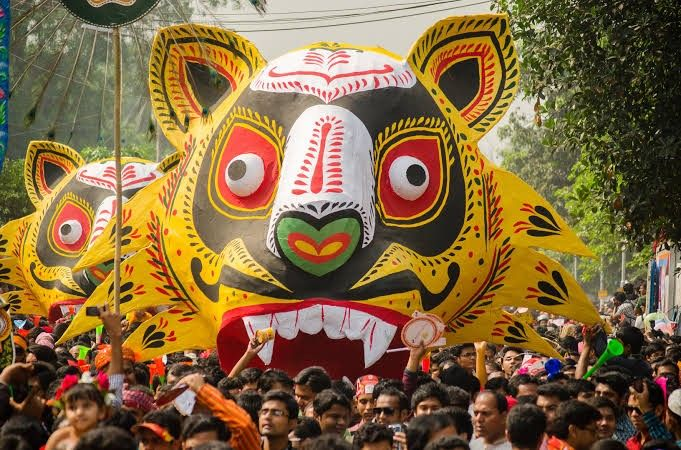
Pohela Boishakh is a cultural celebration rather than a religious one. Streets fill with music, traditional clothing, parades, and shared meals.
It represents fresh starts, communal joy, and continuity rather than countdowns.
The same New Year is also observed in parts of India with strong Bengali heritage.
North and South Korea
Seollal and Ancestral Timekeeping
Both Koreas observe Seollal, the traditional Lunar New Year based on a lunisolar calendar. The date typically falls in January or February, on the second new moon after the winter solstice.

Seollal is a deeply familial holiday lasting several days. It involves ancestral rites, traditional foods like tteokguk (rice cake soup), and formal greetings to elders.
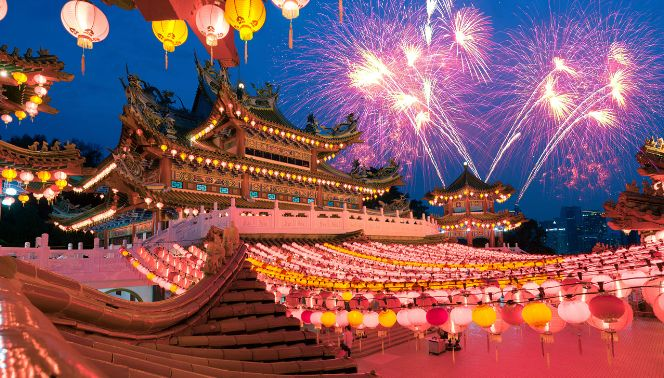
Despite modernisation and the global calendar, Seollal remains culturally central in both North and South Korea. January 1 is acknowledged, but it is not the real beginning.
What Makes This Important?
New Year celebrations are not just about dates. They reflect how societies understand time, nature, faith, and continuity. While the Gregorian calendar dominates global systems, it does not erase older rhythms of life.
For much of the world, January 1 is simply a number. The real new year arrives when the moon shifts, the sun aligns, or tradition says it’s time to begin again.
Culture
Read Between the Lines of African Society
Your Gateway to Africa's Untold Cultural Narratives.
And that is not late, it’s intentional.