5 African Start Up Founders Who Failed First and Came Back Stronger
What happens after a startup fails? These five African founders turned painful setbacks, bad bets and collapsed ventures into lessons that led to something far bigger.

What if the business you are most ashamed of failing is actually the one preparing you for your breakthrough?
Some of Africa’s most recognisable founders did not begin with billion-dollar valuations, international investors or companies people now celebrate. They began with businesses that collapsed, ideas the market ignored, money lost and moments when walking away would have been easier than starting again.
The interesting part is not simply that they failed. It is what they discovered in the wreckage, and how those lessons changed the companies they built next.
Here are five African founders whose setbacks became turning points.
1. Jason Njoku
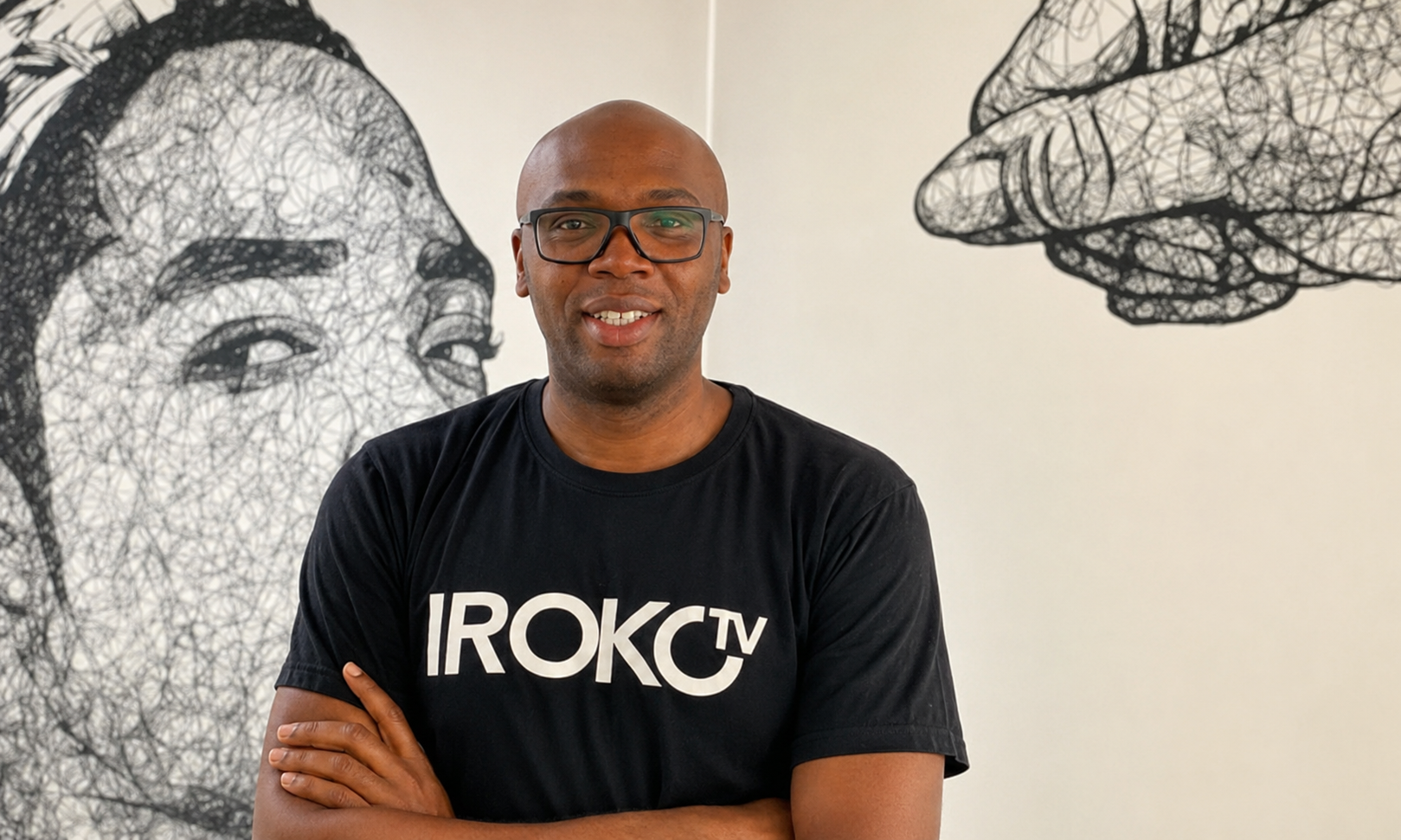
Long before Jason Njoku became known for iROKO, he spent years trying to build businesses that simply did not work.
One of the most painful was Brash, a magazine venture that consumed years of effort but struggled financially and eventually collapsed.
Njoku has spoken openly about failed ventures, running out of money and struggling to pay employees. By the time he started what became iROKO, he had already attempted several businesses and has described it as roughly his 11th entrepreneurial attempt.
The breakthrough came from something far less dramatic than a pitch competition or investor meeting. While living with his mother in London, Njoku noticed how much she enjoyed watching Nollywood films and how difficult it was for Nigerians abroad to access large collections legally online.
That observation sent him back to Nigeria, where he began acquiring digital rights to Nollywood movies and distributing them online. The business eventually developed into iROKO, helping take Nigerian films to audiences around the world.
Njoku’s story offers a different definition of persistence. Sometimes persistence means accepting that your old idea is dead quickly enough to recognise the better opportunity sitting beside it.
2. Sim Shagaya
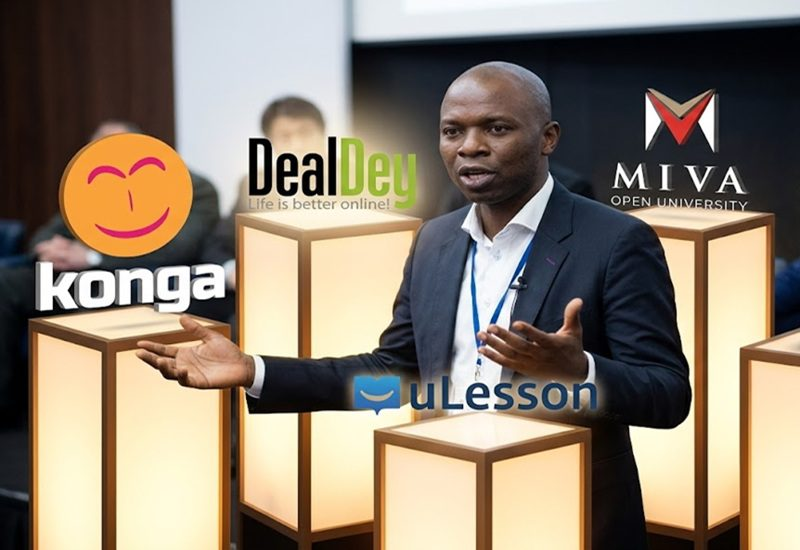
Before Konga and uLesson, Sim Shagaya experimented with NINE businesses that sound surprisingly normal today. His early ventures included ideas around online dating, recruitment, classifieds and digital entertainment.
The problem was timing. Nigeria’s internet penetration was still limited, online payments were difficult and smartphones had not yet become the everyday doorway into the digital economy, so several of those ventures failed to gain meaningful traction.
Years later, many of those industries would become thriving parts of Nigeria’s technology landscape. Shagaya had recognised where consumers were going, but in some cases, he arrived before the market was ready to follow him.
He kept building and eventually launched Konga in 2012. The company became one of Nigeria’s biggest early e-commerce names, but the enormous cost of logistics, payments, infrastructure and aggressive customer acquisition made the business difficult to sustain.
Konga was acquired in 2018, but Shagaya returned to entrepreneurship with uLesson in 2019. The education technology company was built for a very different Nigeria — one where millions of young people were already comfortable learning, communicating and consuming content through smartphones.
His story shows why a failed idea is not always a bad idea. Sometimes the market needs to catch up, and the founder needs to survive long enough to recognise when it finally has.
3. Tope Awotona
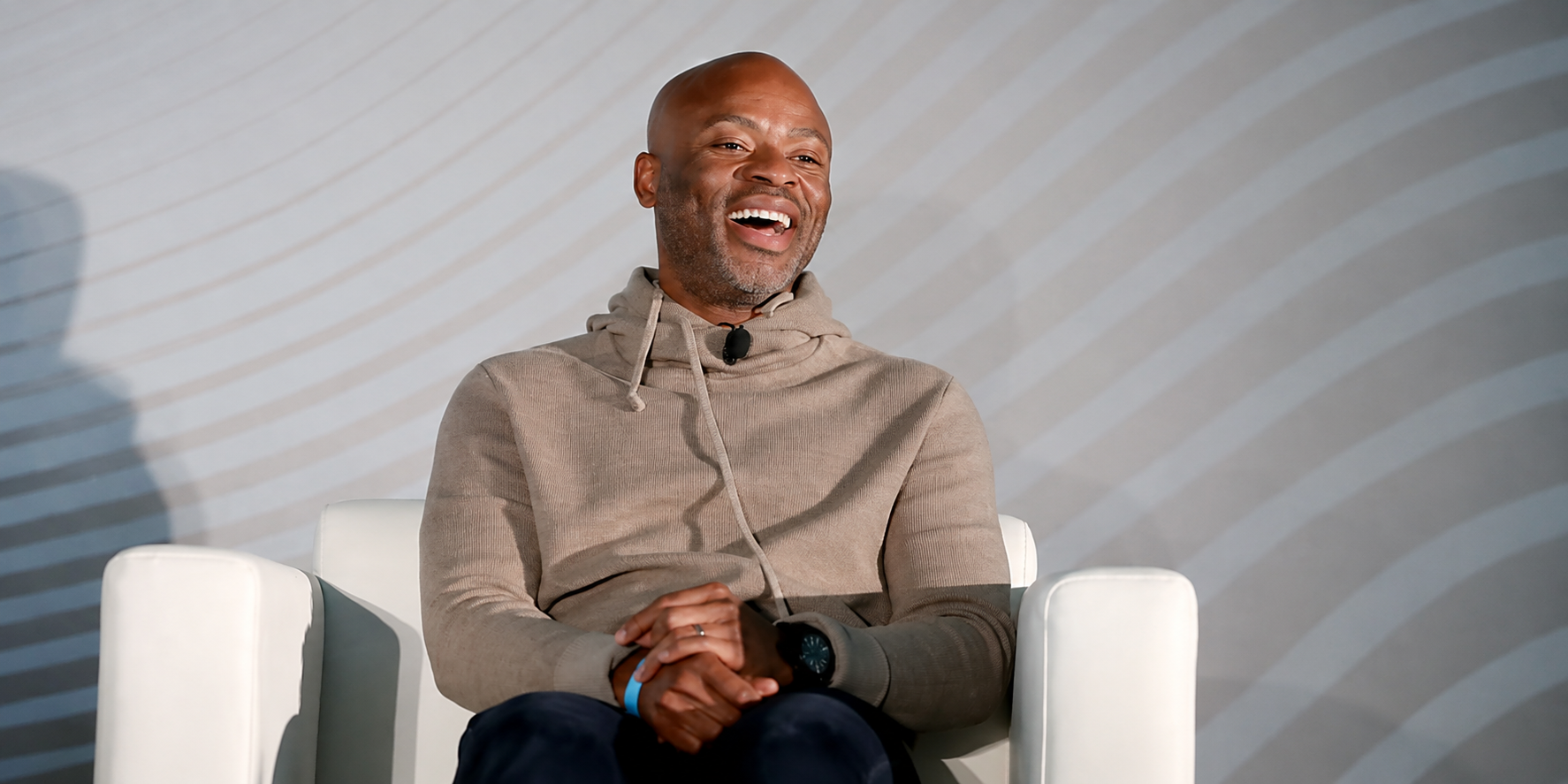
Before Calendly became a global scheduling platform, Tope Awotona tried three businesses and watched all three fail. His experiments included businesses involving projectors, garden equipment and the dating market.
The Lagos-born entrepreneur later admitted that one major problem was how he researched his ideas. Instead of aggressively looking for reasons they might fail, he often searched for evidence confirming what he already wanted to believe.
Those failures changed his approach when he encountered a problem in his software sales career: scheduling meetings was unnecessarily frustrating. Rather than immediately launching another startup, Awotona spent months studying the scheduling market, competitors and customer frustrations.

Only after convincing himself that the problem was real did he commit. He invested heavily in Calendly, including money from his retirement savings, and launched the platform in 2013.
Calendly eventually became one of the world’s most widely used scheduling platforms, and a 2021 funding round valued the company at about $3 billion.
The most useful part of Awotona’s story is not the valuation. It is the change in behaviour: his failed businesses taught him to challenge his own assumptions before asking customers and money to validate them.
4. Abdul Hassan
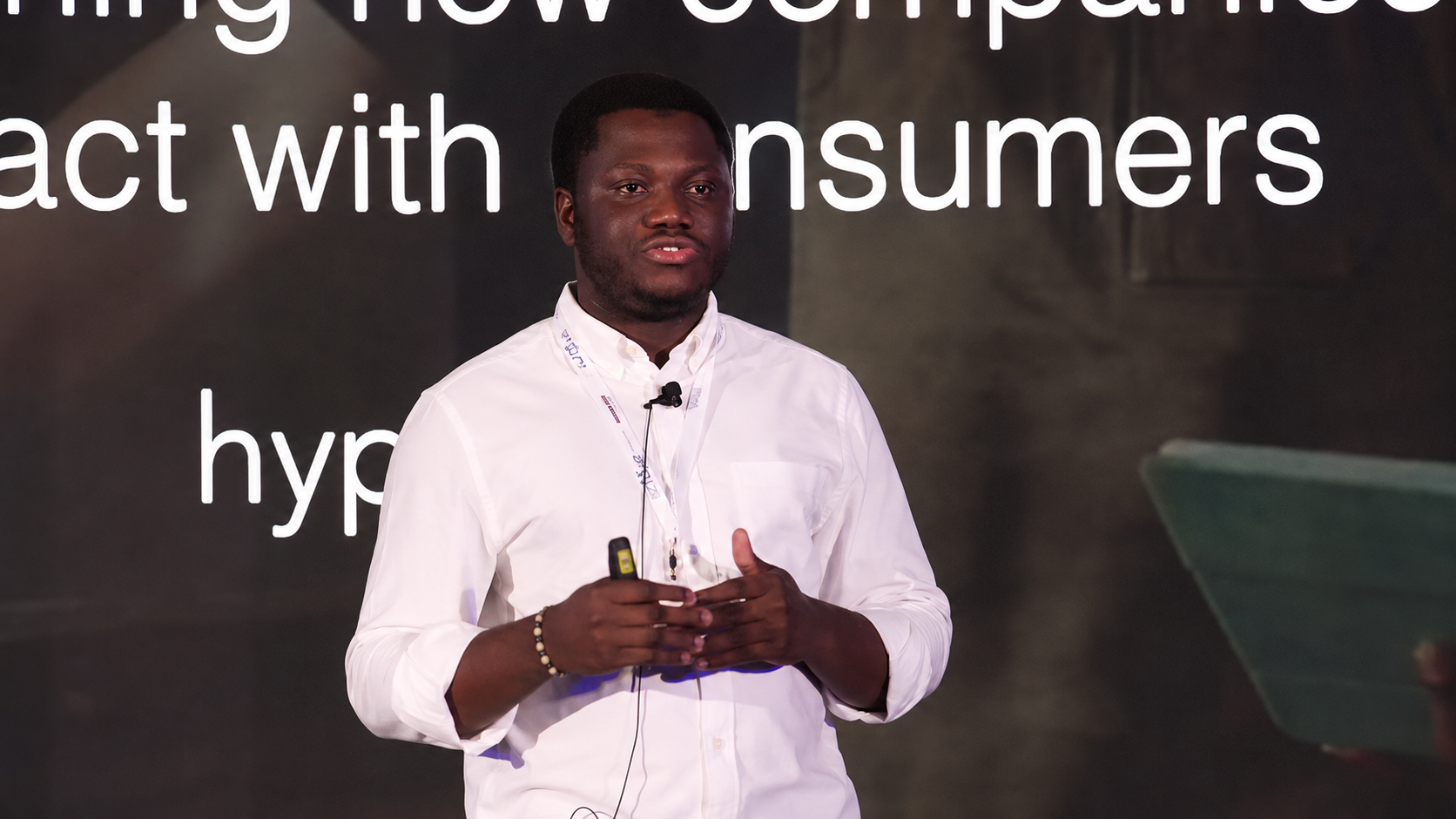
Abdul Hassan’s first fintech story did not end with a giant funding announcement. OyaPay, a Nigerian payments startup he founded, shut down in 2019 following disagreements involving an early investor and the company’s ownership structure.
For Hassan, the collapse delivered a lesson that had little to do with building software. Choosing who enters your company can be just as important as choosing what your company builds.
After OyaPay, Hassan did something many founders find difficult: he became an employee again. He joined Paystack as a product manager and gained firsthand experience inside one of Africa’s fastest-growing fintech companies.
He later returned to entrepreneurship and co-founded Mono in 2020, building technology that allows businesses to securely connect with customers’ financial accounts. Mono attracted international investment and became one of the prominent companies in Africa’s open-banking ecosystem.
In January 2026, Flutterwave acquired Mono in a deal reportedly valued between $25 million and $40 million.
Seven years separated the closure of OyaPay and that acquisition. The failed company disappeared, but the lesson about investors, trust and building carefully travelled with Hassan into the next one.
5. Erik Hersman
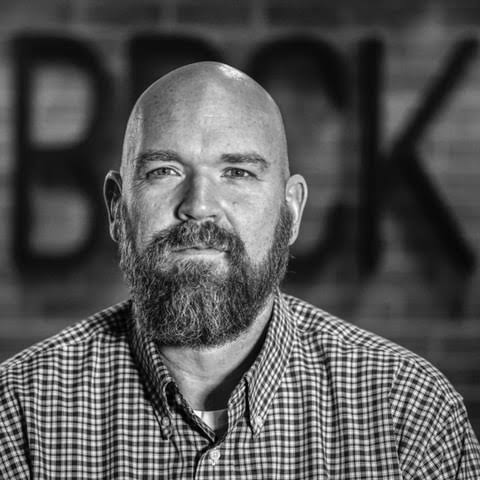
Erik Hersman had already helped co-found Ushahidi when he turned his attention to another major African problem: unreliable internet and electricity. BRCK developed rugged connectivity technology designed to keep people online even when infrastructure failed.
The company attracted investors and expanded into public Wi-Fi through its Moja network. But combining hardware, connectivity infrastructure and a sustainable commercial model proved difficult, and BRCK eventually shut down in 2022.
Hersman did not abandon entrepreneurship or the larger challenge of African infrastructure. Instead, he returned with Gridless, a company using renewable energy that might otherwise go unused to power Bitcoin mining operations.
The business was narrower than BRCK and attacked a more specific commercial problem. Instead of trying to solve several infrastructure challenges at once, Hersman returned with a model built around one clear use for stranded energy.
What These Comebacks Really Teach
There is a temptation to romanticise failure once the comeback succeeds. But closing a company can mean lost savings, damaged relationships, employees losing jobs and years of work disappearing almost overnight.
Nothing guarantees that another attempt will work. Failure becomes useful only when it changes how you think, build or make decisions.
Jason Njoku learned to recognise genuine demand. Sim Shagaya learned how much timing matters, Tope Awotona became more disciplined about validating ideas, Abdul Hassan became more careful about investors, while Erik Hersman returned to infrastructure with a narrower model.
That is what connects these five stories.
They did not simply try again.
They came back different.
And perhaps that is the real lesson for anyone building a business in Africa. Your first startup may fail, your favourite idea may be wrong and the market may reject something you were certain would work, but none of those outcomes has to become the final sentence.
Sometimes failure is simply the first draft.
What matters is whether you are willing to rewrite it.