11 Amazing Genes in Africans and The Awesome Things they do
Discover 11 fascinating genes found in African populations that reveal the incredible adaptability, resilience, and biological diversity of the human body. From disease resistance to athletic performance, these genes showcase the richness of Africa’s genetic heritage and the surprising ways our DNA can shape who we are.

Africa is the birthplace of humanity and home to the most genetically diverse populations on Earth. Over thousands of years, Africans have evolved unique genetic traits in response to diverse climates, diets, diseases, and lifestyles. These adaptations are not only remarkable but also offer deep insights into human biology and evolution.
In this article, we explore 11 extraordinary genes found predominantly in African populations. These genes help fight off deadly diseases, enhance physical performance, and even offer clues for treating global health conditions. Whether it's resistance to malaria, efficient oxygen use at high altitudes, or superior bone density, these genetic traits are both awe-inspiring and scientifically important.
1. The “Milk Mustache” Gene – Maasai of Kenya & Tanzania
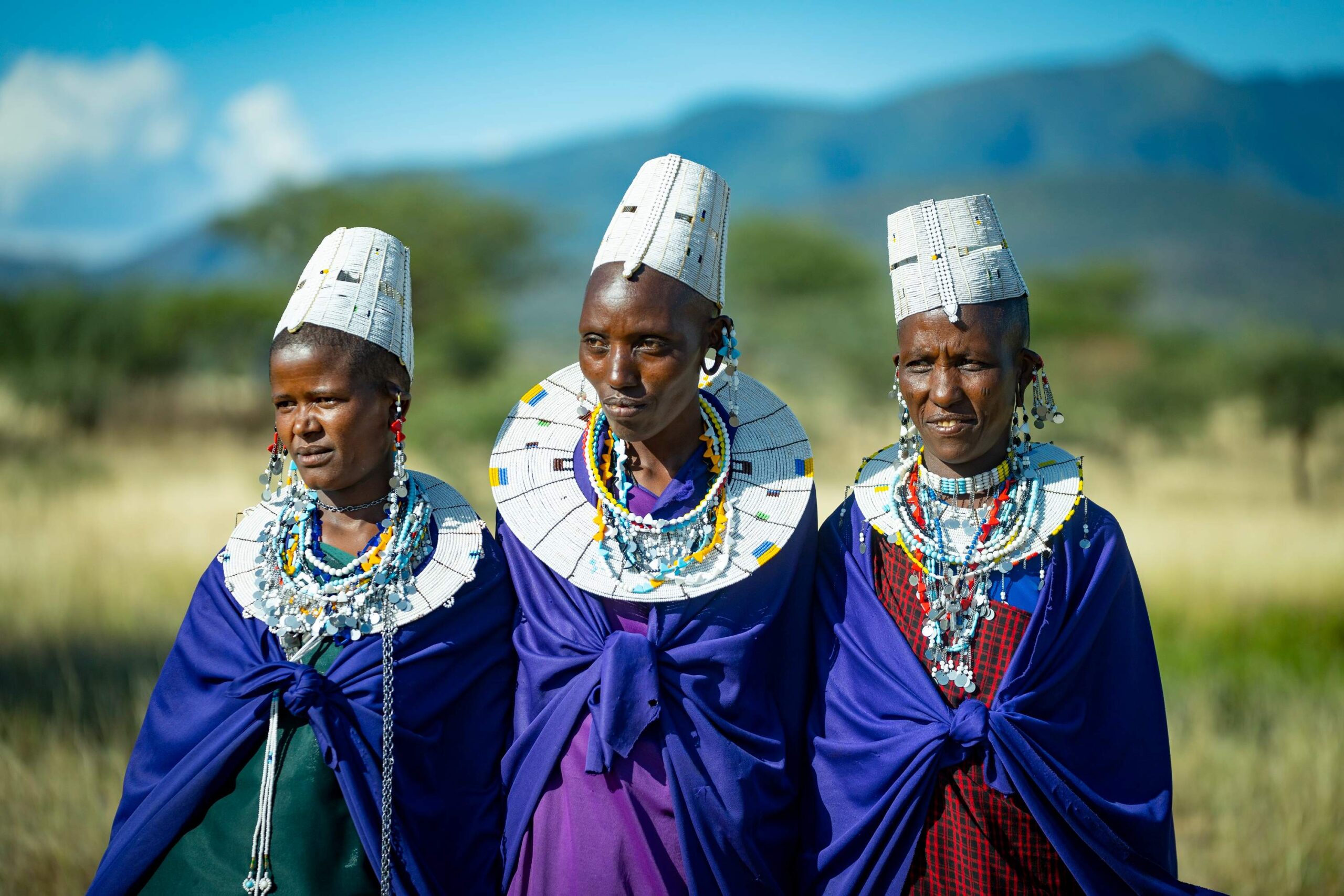
Among the Maasai, milk isn’t just a drink—it’s a lifeline, central to their diet and identity. Unusually, many adults in this pastoralist group can digest lactose, a rare trait globally. This is due to a specific mutation (C-14010) in the LCT gene, controlled by regulatory regions in MCM6. The largest study of this trait in Africa was led by geneticist Sarah Tishkoff at the University of Pennsylvania, published in The American Journal of Human Genetics in March 2014. The team sequenced DNA from 819 Africans across 63 populations and tested lactose tolerance in Kenya, Tanzania, and Sudan. They found the mutation in about 58% of the Maasai—an elegant example of gene-culture coevolution shaped by a milk-rich lifestyle.
2. The “Dancing to the Beat” Gene – West Africa

Music and rhythm are deeply rooted in West African culture, but science suggests there’s also a biological rhythm beating within. A 2024 study published in Nature Human Behaviour by Maria Niarchou and colleagues performed a large-scale genome-wide association study (GWAS) on rhythm perception and musical ability. They found that genetic variants near the serotonin transporter gene SLC6A4 and other loci correlate with rhythmic ability. Populations in West Africa, where drumming and polyrhythmic music are central to tradition, may carry these rhythm-enhancing variants at higher frequencies. Earlier work by Pulli et al. in 2008 also supported a genetic influence on musical aptitude, reinforcing the idea that musicality is shaped by both environment and heredity.
3. The “Malaria Fighter” Gene – Sub-Saharan Africa

In one of the most famous examples of natural selection in humans, a single genetic variant offers protection against a deadly foe. The sickle cell gene (HBB-βS variant) causes sickle cell disease when inherited from both parents, but one copy provides significant resistance to malaria. This evolutionary trade-off was detailed in a 2021 review by Charles Rotimi and David Shriner in Frontiers in Genetics, building on data from earlier high-coverage sequencing studies published in PNAS in 2015. The gene appears to have originated roughly 7,300 years ago in central-west Africa, near present-day Cameroon, and spread rapidly in malaria-endemic areas. It's a stark reminder of how our genomes are shaped by survival against infectious diseases.
4. The “Bitter Coffee” Gene – Ethiopia

The Ethiopian coffee ceremony isn’t just a cultural ritual—it may also reflect a biological trait. Ethiopians exhibit a high frequency of the “taster” version of the TAS2R38 gene (PAV haplotype), which makes people more sensitive to bitter compounds. This genetic preference was highlighted in a 2016 Nature study by Michael Campbell and colleagues, which examined bitter taste receptor variation in 5,589 people from 105 global populations. The study found that East Africans, particularly Ethiopians, have among the highest frequencies of this variant. Beyond coffee, this heightened bitterness sensitivity may have originally evolved to help detect plant toxins, revealing how survival instincts influence modern food culture.
5. The “Salt Saver” Gene – KhoiSan of Southern Africa
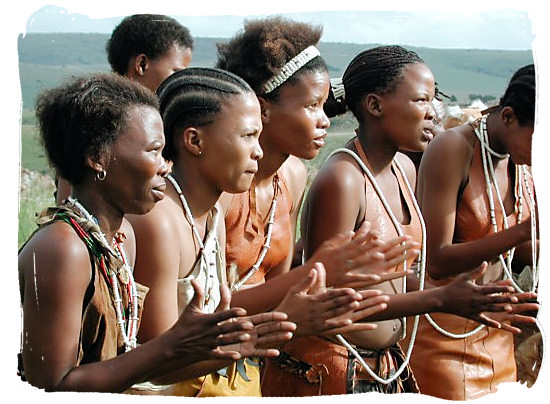

In the arid, salt-scarce environments of southern Africa, conserving sodium can mean the difference between life and death. The KhoiSan people carry mutations in the SLC12A3 gene, which regulates sodium reabsorption in the kidneys. A 2017 genetic study published in the Journal of Medical Genetics by Botha et al. analyzed a South African family and identified novel variants in this gene associated with Gitelman syndrome. While the syndrome itself is rare, the variants shed light on broader population-level adaptations for salt conservation. These genetic traits likely evolved to help the KhoiSan thrive in their dry and resource-limited homeland, long before refrigeration or mineral supplements existed.
6. The “Tall Genes” – Dinka and Nuer of Sudan & South Sudan
Known for their statuesque height, the Dinka and Nuer peoples are among the tallest populations on Earth. Anthropometric research conducted in the 1990s, including a 1995 survey by Desalegn Chali, found that Dinka men average 176.4 cm in height, with some individuals far exceeding this. While nutrition and lifestyle play roles, genetics clearly contributes. Studies suggest polygenic height, influenced by growth hormone signaling and other biological pathways, plays a strong role in their stature. This adaptation may offer advantages in open savannah environments—taller bodies dissipate heat more efficiently and can travel long distances more easily.
7. The “Blue Eye” Surprise – Somalia
Though often associated with Europe, blue and hazel eyes also appear in East African populations, particularly among Somalis. This surprising trait is linked to variants in the OCA2 and HERC2 genes, which regulate melanin production in the iris. A global survey of 3,432 individuals from 72 populations, conducted by Nina Jablonski and George Chaplin and published in Human Genetics in 2011, found these rare variants in some Somali families. Their presence is likely due to ancient admixture with Eurasian populations, rflecting the Horn of Africa’s historical role as a genetic crossroads between continents.
8. The “Sweet Tooth” Gene – Ghana

Ghanaians often enjoy richly sweet foods like kelewele and sweet porridges, and some of that preference may be rooted in their DNA. The TAS1R2 gene, which encodes part of the sweet taste receptor, varies between populations. A 2011 study by Campbell et al., though not Ghana-specific, revealed that African populations tend to carry sweet-sensitive alleles more frequently. These genetic variants likely conferred an evolutionary advantage by making individuals more drawn to energy-dense foods like ripe fruit or honey. In modern Ghana, this ancient craving may continue to influence dietary traditions.
9. The “Altitude Ace” Gene – Ethiopian Highlands (Amhara, Oromo)

Surviving—and thriving—at high altitudes takes more than determination. In the Ethiopian Highlands, the Amhara and Oromo peoples have evolved unique genetic variants that help them adapt to thin air. Studies led by researchers including Fan et al. (2019) and Wang et al. (2022) identified novel variants in the EPAS1 and EGLN1 genes, known to regulate the body’s response to low oxygen. These adaptations, published in genomic and medical journals over the past decade, are different from those found in Tibetans or Andeans, suggesting a third independent path to high-altitude endurance. It’s a likely reason why many elite Ethiopian distance runners seem born to perform at elevation.
10. The “Sun Shield” Gene – Across Africa
Africa’s rich skin tone diversity is powered by a suite of genes designed to manage solar radiation. Variants in SLC24A5 and MC1R genes are responsible for melanin production, and their distribution was extensively mapped by Jablonski and Chaplin in their 2011 pigmentation genetics study across 72 global populations. Africans were shown to possess high-melanin variants nearly universally—a protective adaptation against ultraviolet rays that helps prevent sunburn, DNA damage, and skin cancers. These genes are a testament to the body's ingenious ability to engineer its own sunblock over thousands of years.
11. The “Bitterness Non-Taster” Gene – Nigeria
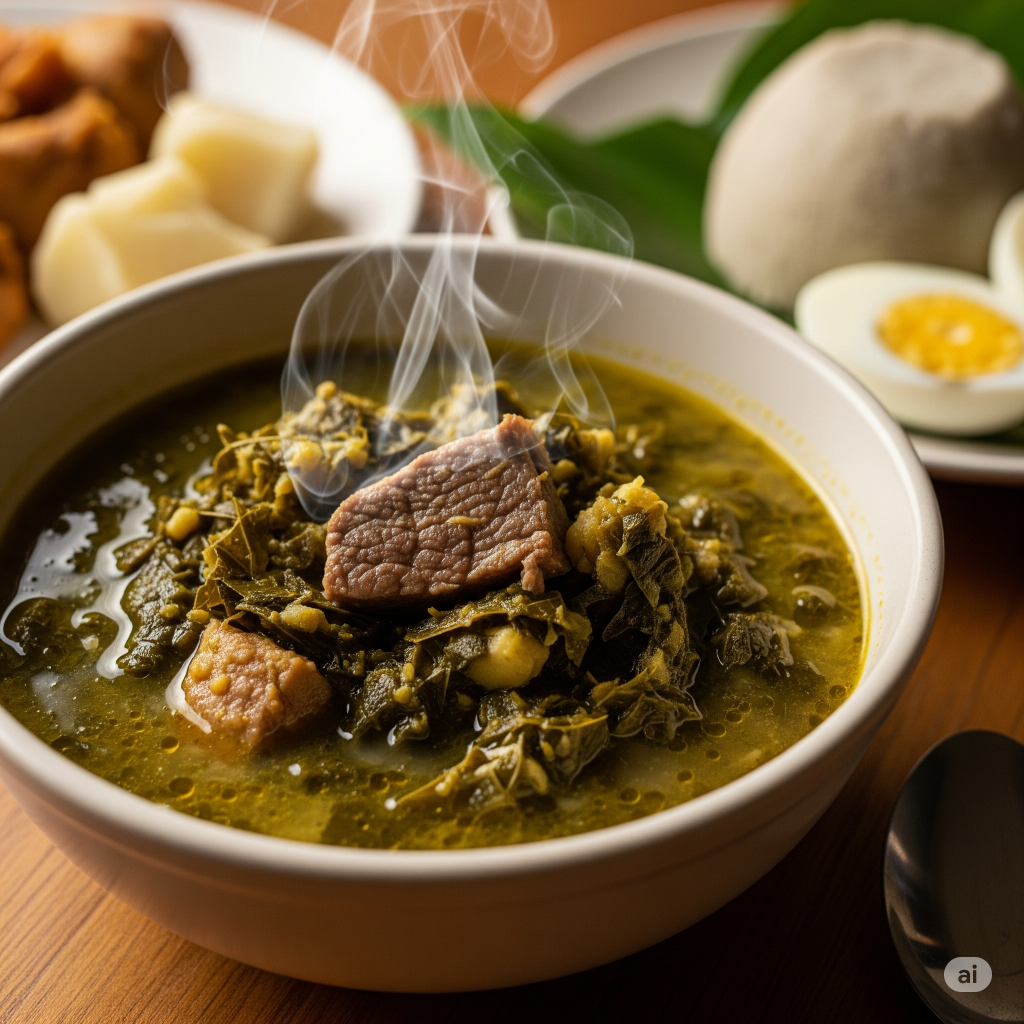
Nigerian cuisine often celebrates bitter flavors—bitter leaf soup, utazi, ogiri—and this may be more than just a cultural preference. In a 2011 study published in Molecular Biology and Evolution, Michael Campbell and colleagues found that nearly half of Nigerians carry the “non-taster” variant of the TAS2R38 gene (AVI/AVI haplotype). The study, which analyzed 611 individuals from 57 African populations, suggests that this gene makes people less sensitive to bitterness, allowing them to enjoy and even seek out strong, bitter plant flavors. This could have contributed to a diverse, micronutrient-rich diet throughout West African history.