10 Reasons Benin Republic Should Be on Your Travel Bucket List
Benin Republic is West Africa's most underrated travel destination from Ganvié's floating city and Ouidah's slave trade memorial to Pendjari's affordable safari and UNESCO royal palaces. Here's why it belongs on your bucket list before the crowds arrive.
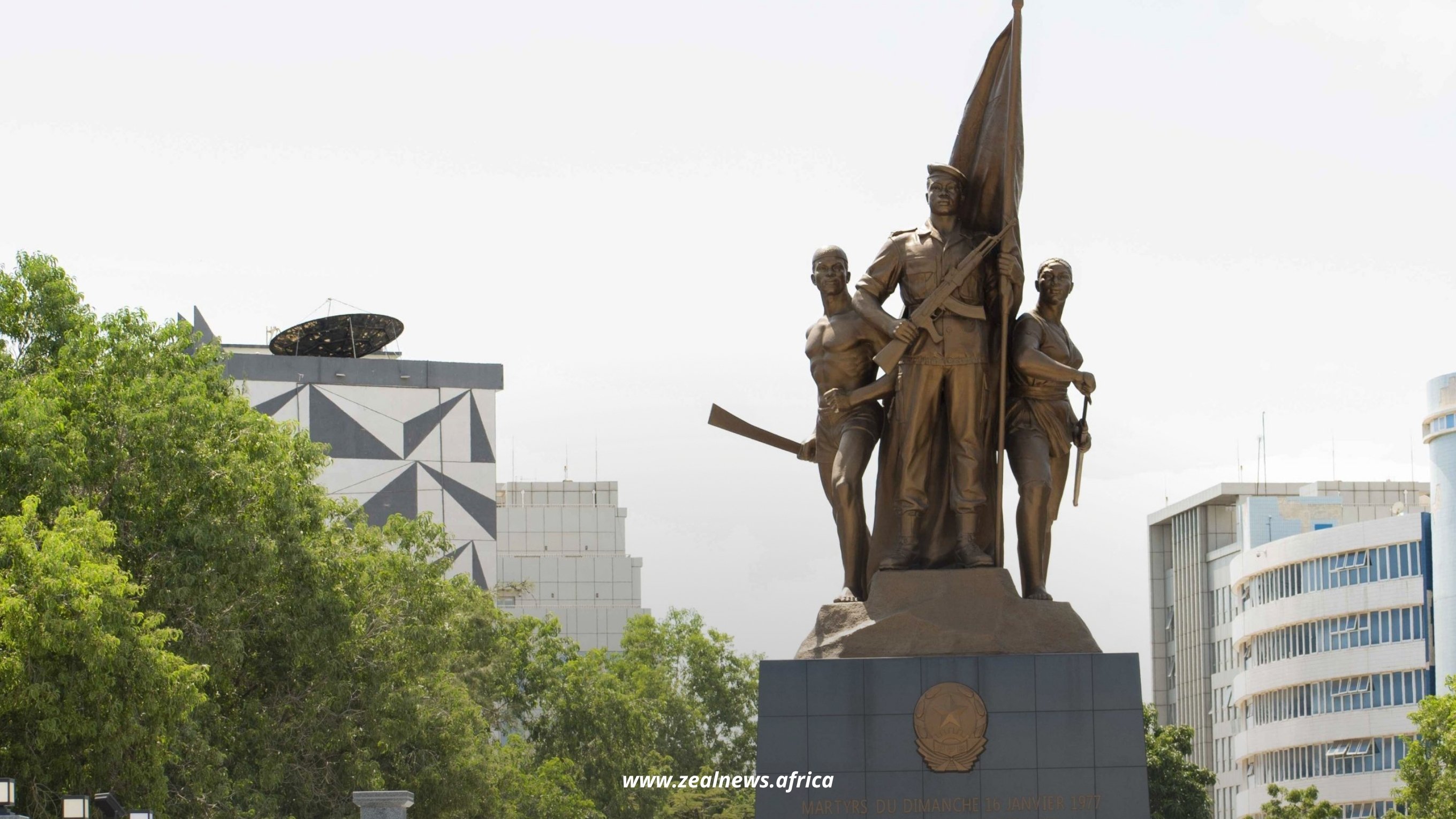
Most people flying into West Africa are usually headed to Lagos, Accra or Dakar and basically the cities that have learned how to market themselves.
The Benin Republic, tucked quietly between Nigeria and Togo, hasn't bothered with that yet. It doesn't have the influencer footprint, the travel magazine spreads or the airport billboards.
What it has is a floating city built on a lake, one of the most haunting slave trade memorials on the planet, ancient palaces that Hollywood borrowed for Black Panther and a national park where you can watch lions hunt at dawn for a fraction of what you'd pay in Kenya.
If your bucket list still has space for a destination that is genuinely, quietly extraordinary, this is where it goes.
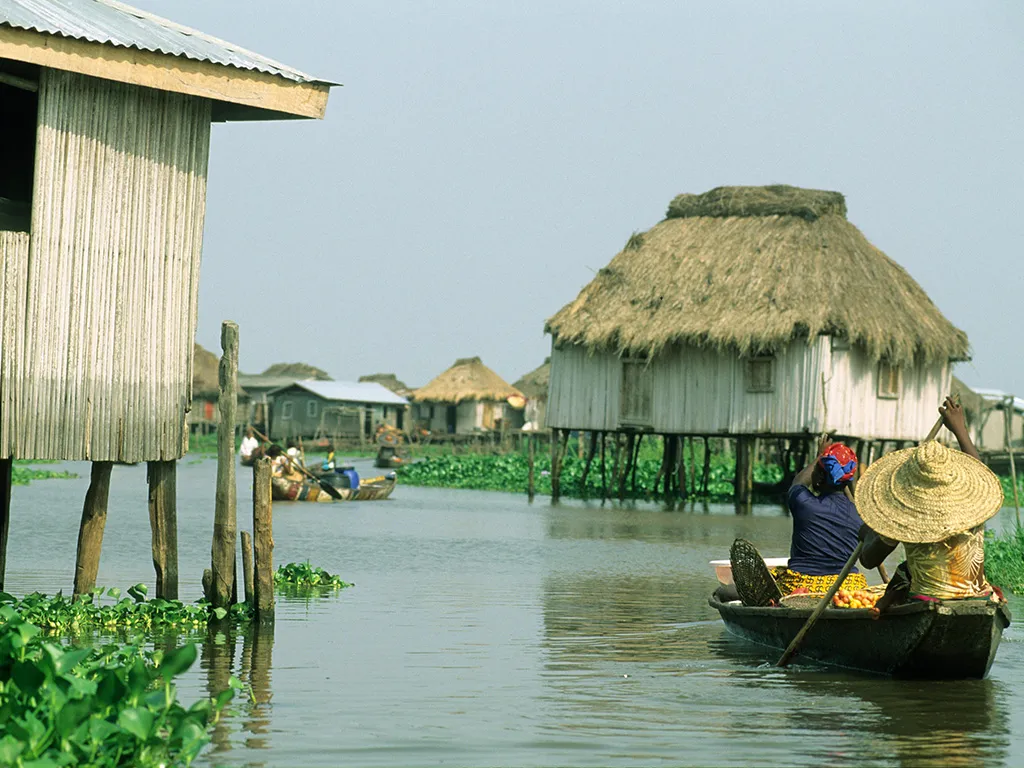
1. Ganvié Is the African City Built Entirely on Water
Before there was Venice, there was Ganvié. This stilt village on Lake Nokoué is home to over 20,000 people and was originally founded as a refuge from slave raiders.
Today, you move through it by pirogue, a narrow wooden canoe, past floating markets, schools, and homes on stilts. There is nothing generic about it and it stands as one of the most visually striking places in West Africa and most tourists still haven't heard of it.
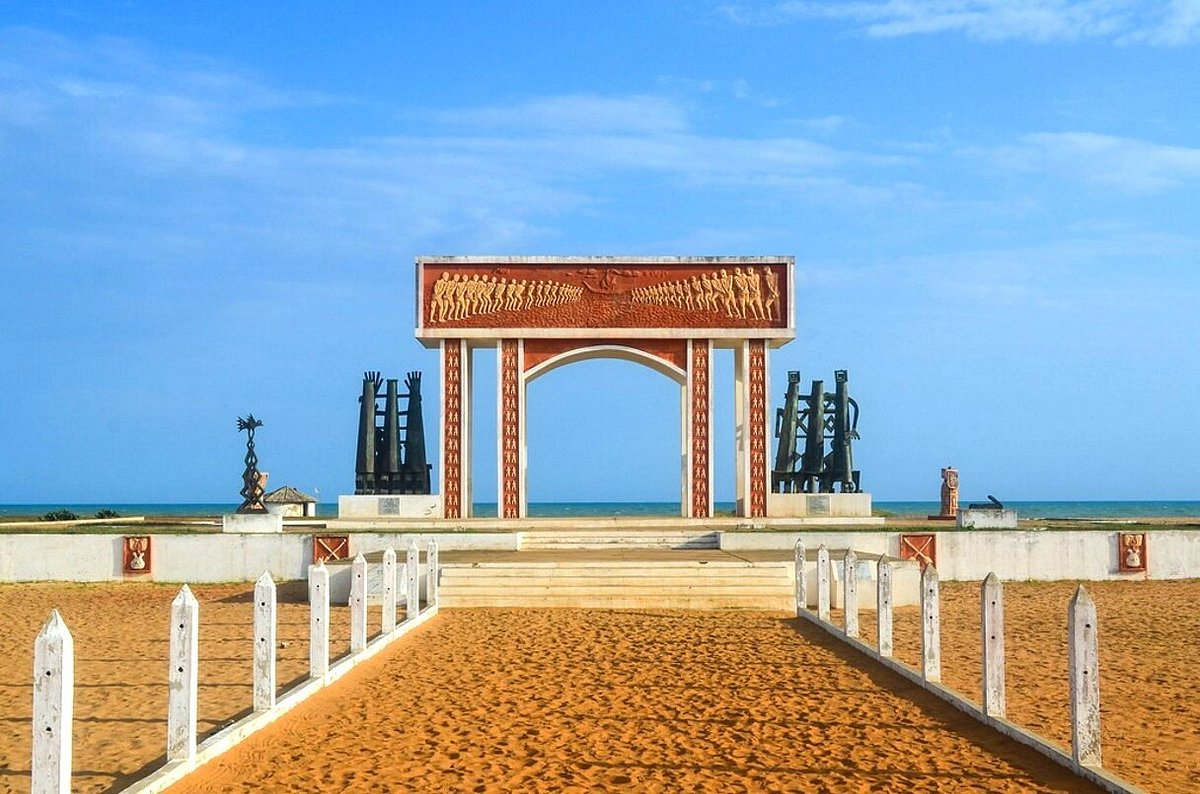
2. The Route des Esclaves in Ouidah Will Stop You Cold
Ouidah is one of the most historically significant places on the continent. At the Door of No Return on the beach at Ouidah, a million enslaved people were marched into the shallows and loaded onto ships across the Atlantic to the Caribbean and the Americas, never to return.
Walking the Route des Esclaves, the path they walked, is an experience that stays with you long after you've left. For diaspora travellers especially, this is sacred ground.
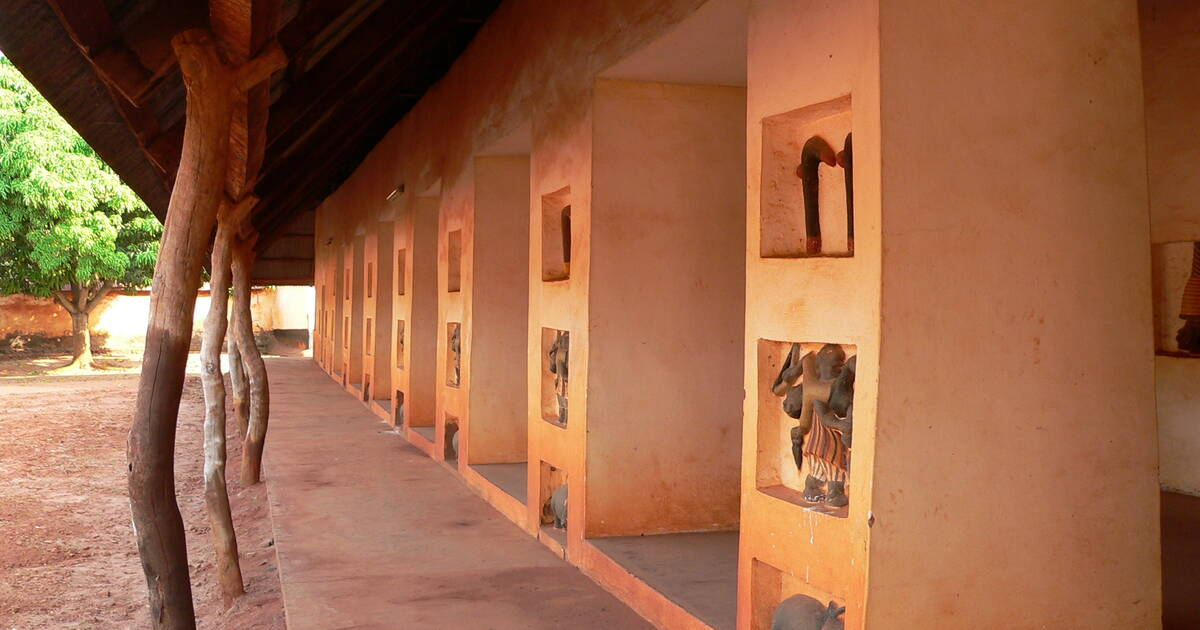
3. Abomey's Royal Palaces Are a UNESCO World Heritage Site
The Royal Palaces of Abomey are a living museum that showcases the culture and customs of the Dahomey Kingdom and the palaces are currently being restored, with a museum housing 26 royal treasures repatriated to Benin from France in 2021.
You may also recognise the palaces from their depiction in The Woman King and Black Panther. Seeing them in person, rather than through a film lens, is another thing entirely.
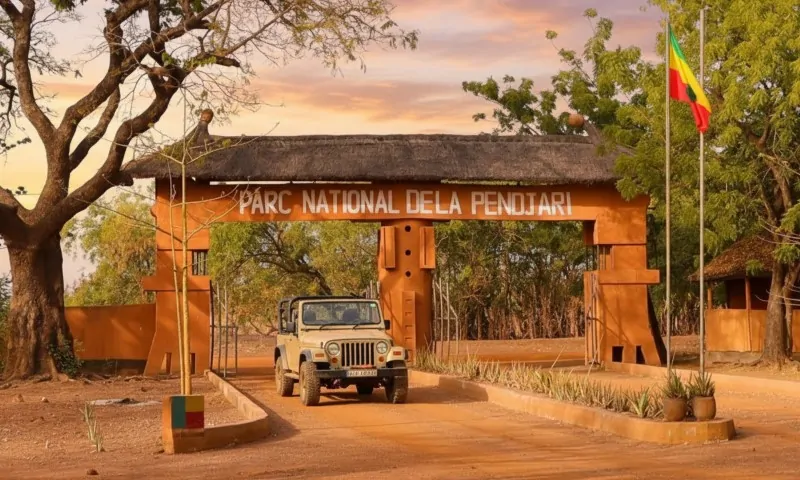
4. Pendjari National Park Offers One of the Cheapest Safaris in Africa
East Africa's safari circuit is often expensive and crowded. Pendjari is not. The park is home to elephant, lion, cheetah, leopard, and hippo, alongside baboons and antelope in large numbers.
Compared to its counterparts in East and South Africa, a Pendjari safari is extremely affordable and the crowds are non-existent. It spans 4,800 square kilometres of raw, undisturbed wilderness.
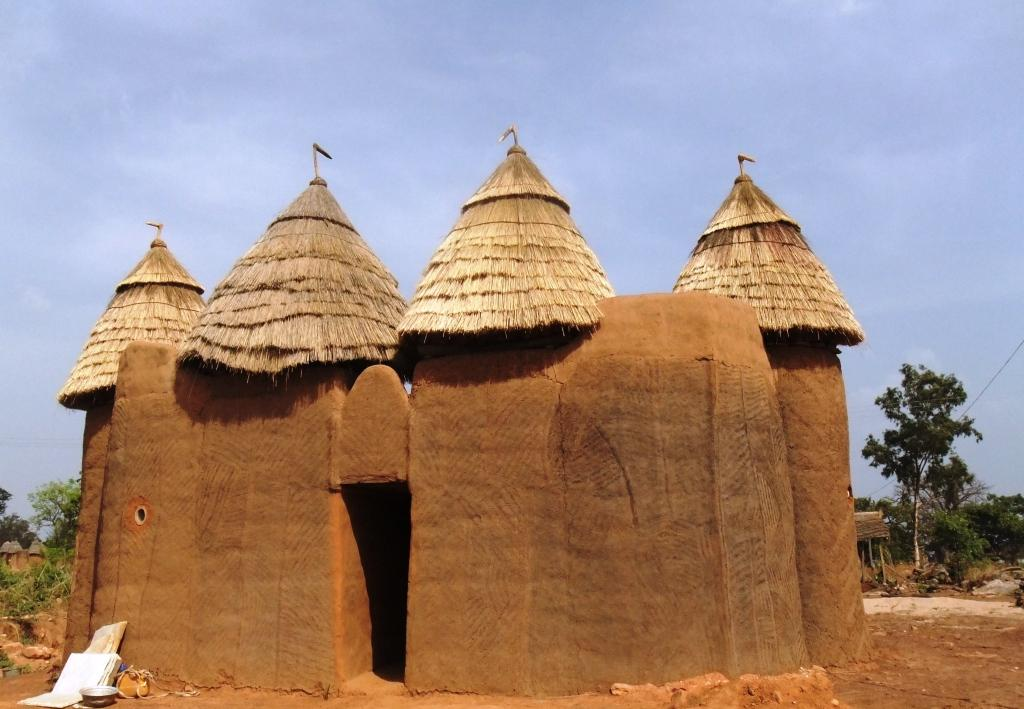
5. The Tata Somba Architecture of Natitingou Is Unlike Anything in West Africa
In the Natitingou area, the Tata Somba houses are unique two-storey mud structures that constitute one of West Africa's premier cultural landscapes, forming part of the greater Koutammakou World Heritage Site spanning parts of northern Togo and Benin.
The architecture is functional, ancient and completely distinct from anything else you'll find in the region.
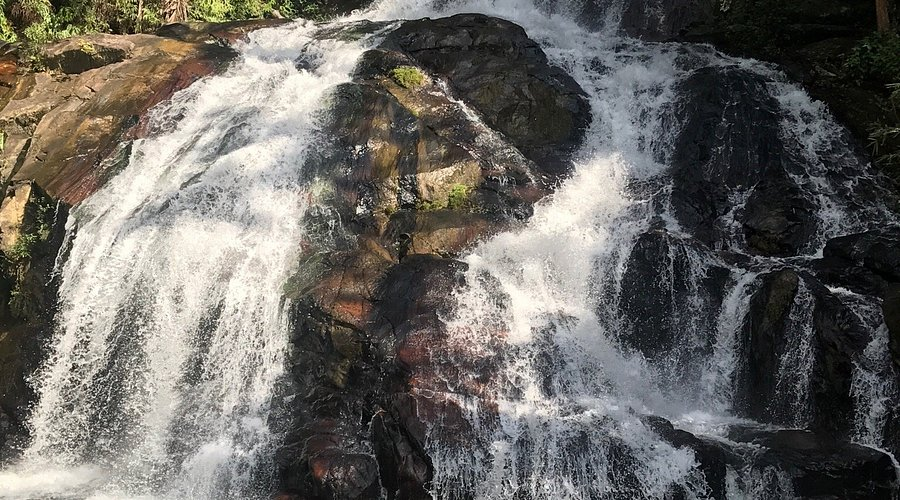
6. The Kota Waterfall Near Natitingou Is a Hidden Natural Gem
Near Natitingou, at the Chutes de Kota, a steep set of stairs leads down to a swimming hole at the base of the waterfall. This is a natural pool where travellers have described jumping in under the starry night sky as one of the most unexpectedly joyful experiences of their trip.
It barely appears on travel lists and that is why you should be there.
7. Benin Is the Birthplace of Vodou and That Changes How You See Everything
Benin is considered the birthplace of Vodou, and visitors can explore its significance through festivals and living local practice. They are living traditions that predate the word "tourism" entirely. Coming here with curiosity rather than cameras-first changes what you take away.
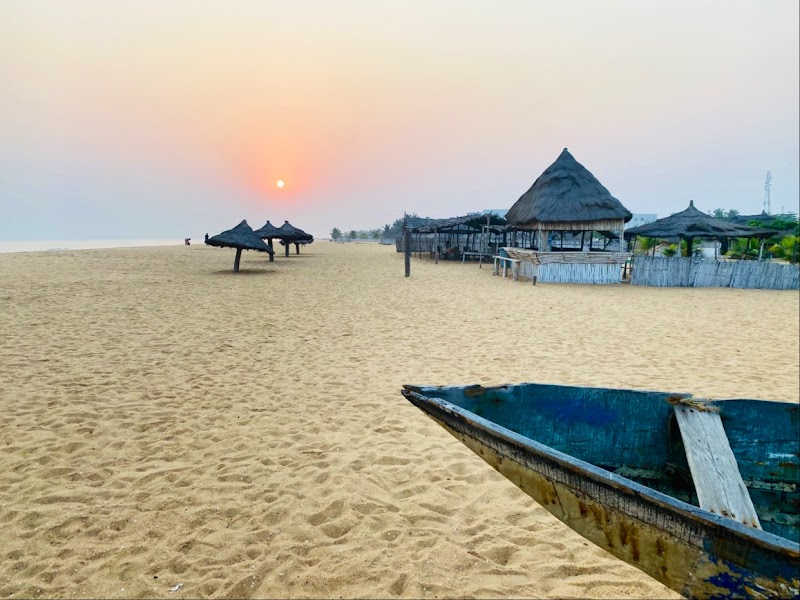
8. Grand-Popo's Beaches Are Uncrowded and Genuinely Beautiful
Grand-Popo is a charming coastal town known for its stunning beaches and deep historical significance, dating back to the 16th century. Unlike the more trafficked beaches of neighbouring countries, Grand-Popo is quiet with its fresh seafood, Atlantic breeze and no resort hustlers.
9. Benin Is One of the Most Budget-Friendly Travel Destinations in West Africa
Honest budget travel in West Africa is increasingly hard to find. Benin Republic offers some of the most affordable travel options on the continent, and that gap is meaningful. Accommodation, transport, and food remain accessible without sacrificing authentic experience and this is a combination that is getting rarer across the region.
10. You Can Still Get Here Before the Crowds Do

Benin Republic was named to Lonely Planet's Best in Travel 2026 — which means the world is starting to notice. But the infrastructure tourism boom hasn't arrived yet. Right now, Benin Republic sits in that rare window where the experiences are rich, the sites are real, and the crowds haven't caught up. That window won't stay open forever.