10 Items You Cannot Bring Into the United States
Planning a trip to the US? These are 10 items Nigerian travellers commonly lose at the border, from bush meat to counterfeit goods, and what CBP will do about it.
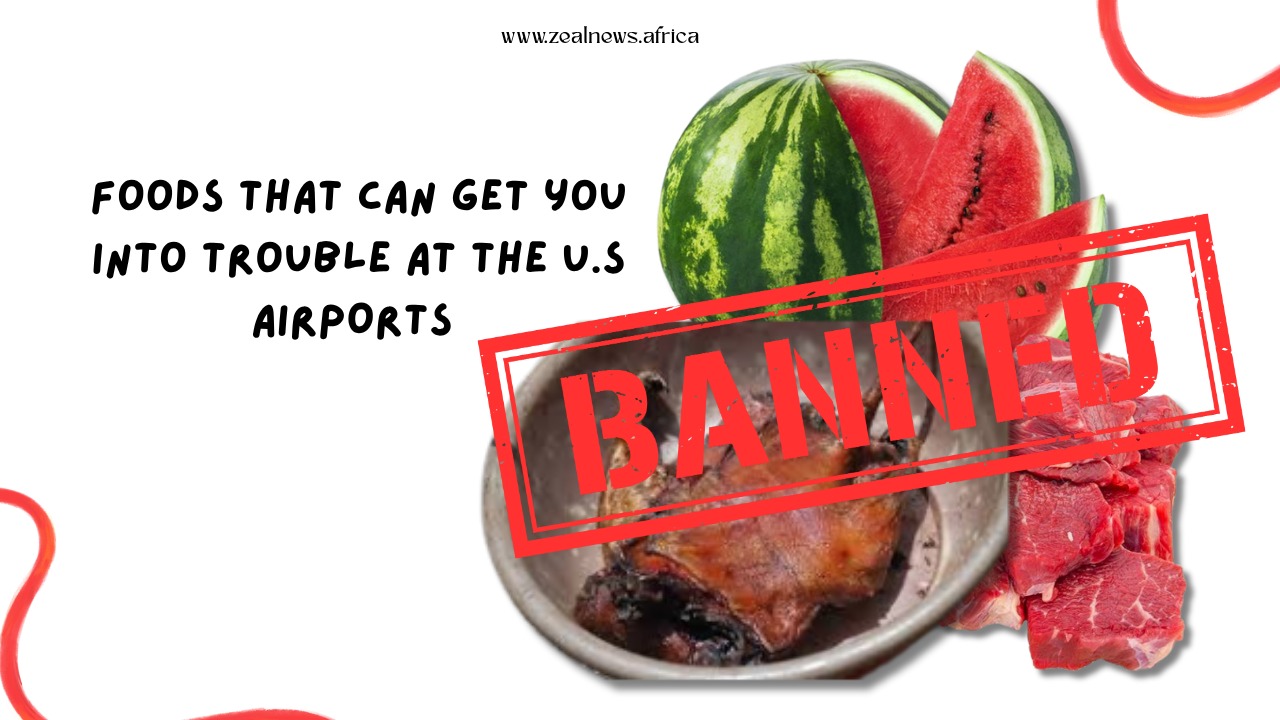
Every year, Nigerian travellers arrive at U.S. ports of entry and watch their luggage get searched, their belongings confiscated, and in some cases, walk away with a fine they did not expect. Not because they intended to break the law. Because they did not know.
The U.S. Customs and Border Protection (CBP) agency works with more than 40 federal bodies, including the U.S. Department of Agriculture (USDA), the Food and Drug Administration (FDA), and the Centers for Disease Control and Prevention (CDC), to enforce strict import regulations.
The rules exist to protect public health, agriculture, wildlife, and national security. Ignorance is not a defence at the border.
Here are 10 items travellers should know about before they board.
1. Bush Meat and Most Meat Products
This one catches many Nigerian travellers off guard. The United States prohibits most fresh, dried, canned, or processed meat products from other countries, including Nigeria.
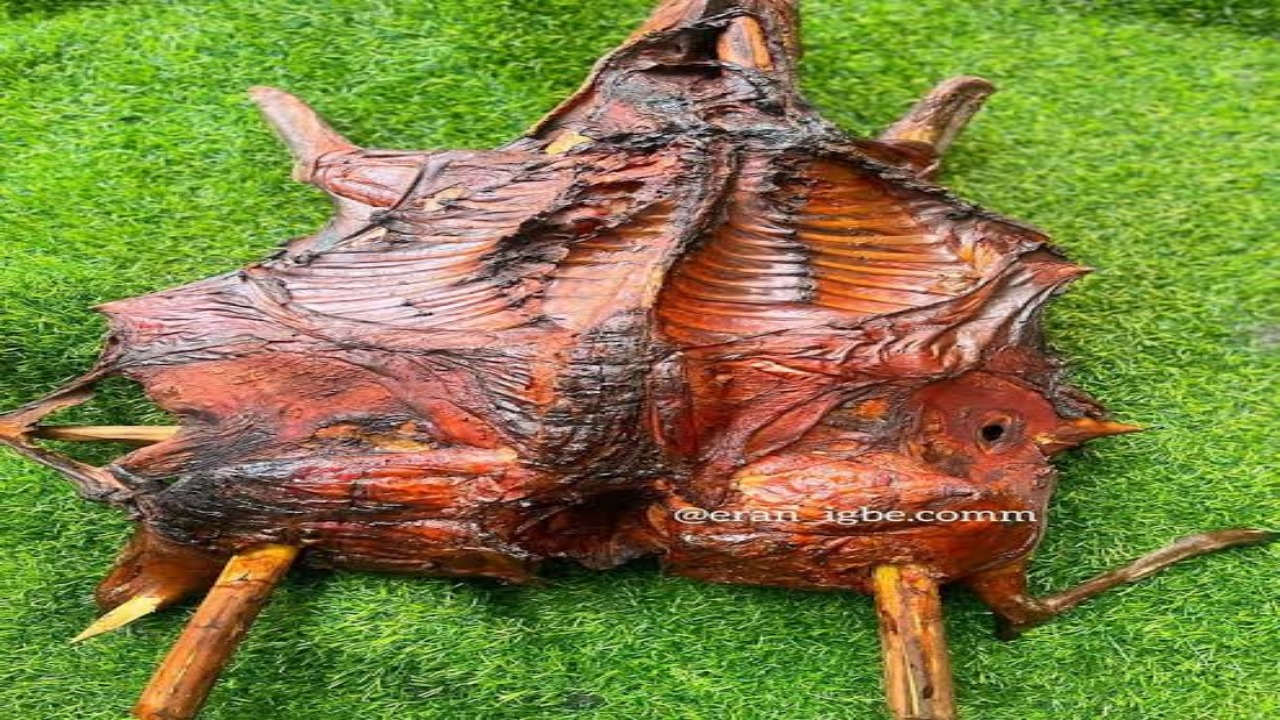
Bush meat derived from African wildlife is explicitly banned. The restriction applies regardless of how the meat was prepared or packaged. If it came from an animal, leave it at home. The meat products include Kilishi known as beef jerky and Suya.
This is done to prevent the introduction of foreign animal diseases, like African Swine Fever or Foot-and-Mouth disease, into American agriculture.
2. Fresh Fruits and Vegetables
Not all produce is banned, but U.S. authorities assess every fruit and vegetable based on origin and agricultural risk. Many Nigerian staples, including certain leafy vegetables and root crops, may carry pests or diseases that threaten American agriculture.
Customs officers have the authority to confiscate any produce they consider a risk, and they use it.
3. Plants and Seeds
Seeds are small enough to forget at the bottom of a bag. That is exactly the problem. The United States allows some plants and seeds with the proper permits, but restricts or outright bans others, particularly invasive or endangered species.
Travelling with seeds without documentation is a customs violation. Declare them or leave them behind.
4. Soil
Travellers cannot bring soil into the United States without an approved import permit. This includes soil attached to shoes, boots, or plant roots.
Officers will confiscate it at the border, and failing to declare it can result in a fine. If you are bringing potted plants, the soil must be removed before entry.
5. Drug Paraphernalia
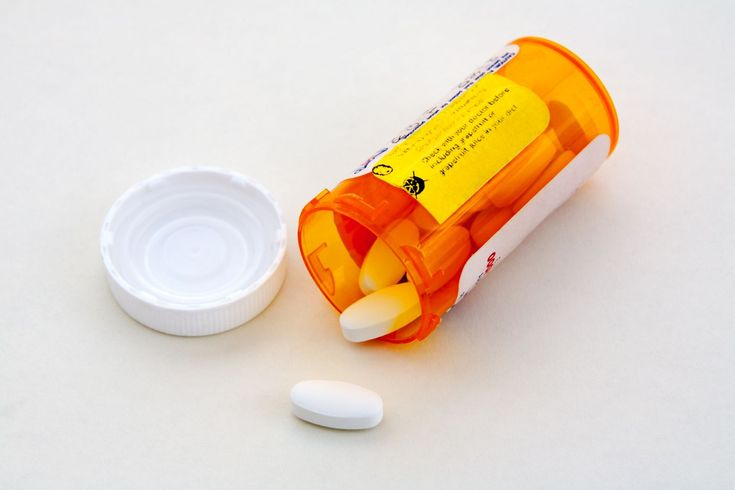
Items used to consume illegal drugs are prohibited unless they serve a documented medical purpose, such as diabetes management.
Diaspora Connect
Stay Connected to Home
From Lagos to London, Accra to Atlanta - We Cover It All.
Officers will seize paraphernalia on the spot, and violators can face fines or criminal charges. What might be overlooked at home becomes a federal matter at a U.S. port of entry.
6. Dog and Cat Fur Products
U.S. law prohibits the import, sale, and distribution of any product made from dog or cat fur.
This includes clothing, accessories, and decorative items. Authorities will seize these products, and the penalties go beyond confiscation. If you purchased a fur-trimmed item abroad and are unsure of its source, do not pack it.
7. Counterfeit Goods
CBP actively enforces intellectual property law at the border. Counterfeit designer bags, shoes, clothing, and electronics are subject to seizure and forfeiture.
The agency does not distinguish between a purchase made for personal use and one intended for resale. If it carries a fake logo, it does not cross.
8. Untreated Animal Hide Items

The CDC prohibits untreated animal hide drums from Haiti due to the risk of infectious disease, and flags similar risks from other regions.
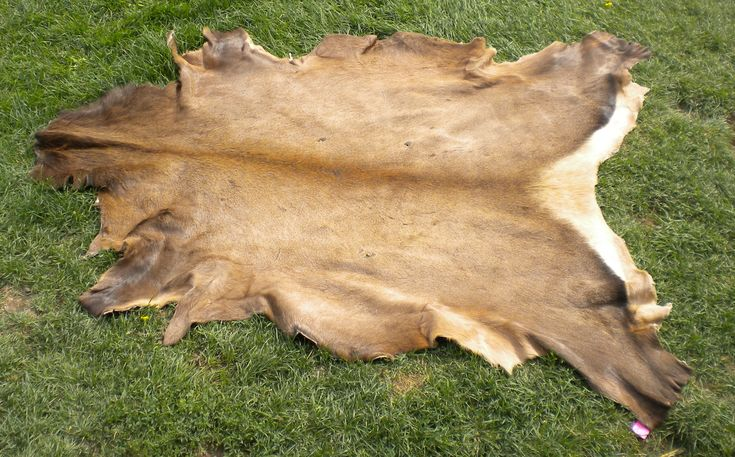
Any untreated animal hide product, particularly drums and traditional instruments, may be stopped at entry. Treatment documentation is required for items in this category.
9. Cultural Artifacts Without Proper Documentation
Many countries, including Nigeria, have laws protecting cultural artifacts through ownership and export regulations. The United States enforces these protections at the border.
If an artifact lacks documentation proving legal ownership and lawful export, U.S. authorities can seize it. Bringing an antique, traditional object, or artwork into the country without paperwork is a risk not worth taking.
10. Goods from Sanctioned Countries
Travellers generally cannot import goods purchased in countries under U.S. sanctions, including Cuba and Iran, without a specific licence from the Office of Foreign Assets Control (OFAC).
This applies even to small items bought as souvenirs. If you transited through or purchased anything in a sanctioned country, declare it and verify its admissibility before you travel.
Before You Pack
The safest approach is to check the latest CBP guidelines at cbp.gov before every trip. Rules change, particularly around meat and disease-related restrictions, which can shift quickly in response to outbreaks.
When in doubt, declare the item. CBP officers treat undeclared prohibited goods far more seriously than declared ones.
A well-packed bag should not cost you your trip. The biggest mistake travellers make is hiding food.
You must declare all food items on your Customs Declaration form. If you declare a prohibited item, customs officers will simply confiscate and destroy it without a penalty.
Diaspora Connect
Stay Connected to Home
From Lagos to London, Accra to Atlanta - We Cover It All.
If you do not declare it and they find it, you risk confiscation, a $300 to $1,000+ fine, and being flagged for mandatory baggage searches on every future trip to the US.
The biggest mistake travellers make is hiding food. You must declare all food items on your Customs Declaration form. If you declare a prohibited item, customs officers will simply confiscate and destroy it without a penalty. If you do not declare it and they find it, you risk confiscation, a $300 to $1,000+ fine, and being flagged for mandatory baggage searches on every future trip to the US.