Zimbabwe Rocked by Mnangagwa's Controversial Term Extension and CAB3 Protests
Zimbabwe's Constitutional Amendment Act No. 3 has been signed into law, sparking warnings against planned protests and an official legal challenge from the MDC. The opposition party has filed a Constitutional Court application, arguing the amendment is unconstitutional due to the lack of a national referendum, shifting the focus from parliamentary debate to judicial review.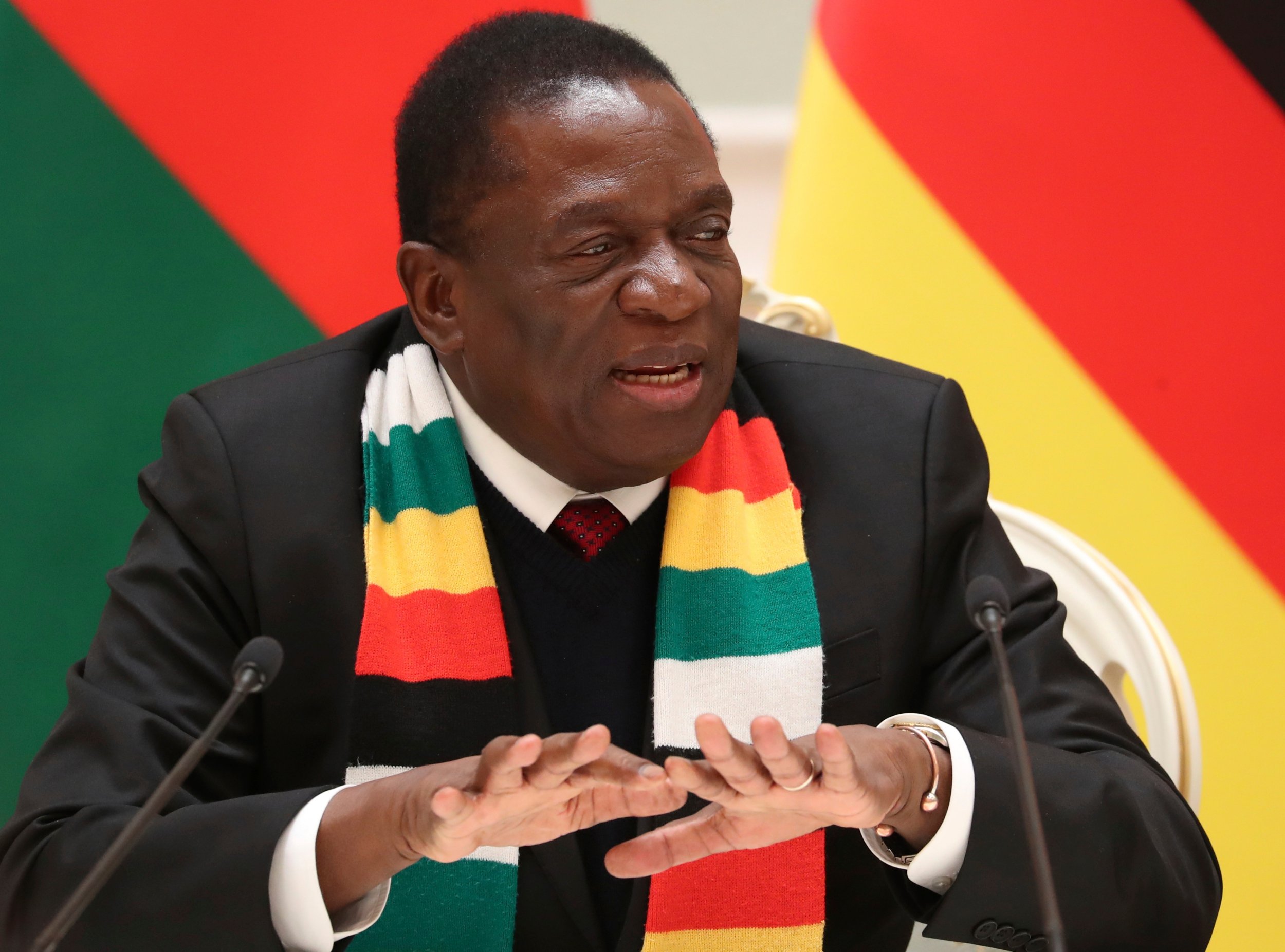
Zimbabwe's Constitutional Amendment Act No. 3 (CAB3) has been signed into law by President Mnangagwa, transforming it into an Act of Parliament. This development has ignited significant debate within political and civic circles, leading to planned demonstrations and a formal legal challenge.
Following its assent, senior Politburo members Charles Tawengwa, Minister of State for Harare Provincial Affairs and Devolution, and Omega Hungwe, issued stern warnings against actions aimed at destabilizing the country. Speaking during CAB3 provincial celebrations and party engagements in Harare, Tawengwa emphasized the need for national unity now that the bill is law, urging citizens to respect constitutional processes and channel grievances through lawful platforms. Hungwe delivered a more forceful caution, accusing protest organizers of endangering young people and stating that the government would "heavily descend on those planning it." She further alleged that some organizers were intoxicating youths with drugs and substances, urging them to put their own children in the forefront of any resistance.
Opposition groups and civil society organizations have called for demonstrations on July 31st to express their disapproval of CAB3. In response, Zanu-PF leadership maintains that the amendment followed due process and insists that any dissent must be expressed within legal boundaries. Police have not yet commented on security arrangements for July 31st, but party officials confirmed that structures in all provinces have been directed to monitor and report any mobilization activities. These planned protests coincide with the Government's broader push for national cohesion as it works towards key development programmes under Vision 2030 and the National Development Strategy 2.
The resolution to amend the Constitution, which culminated in CAB3, was initially introduced at the Zanu PF 21st Annual National People’s Conference held in Bulawayo in October 2024. Zanu-PF also held rallies to appreciate supporters who backed the recently assented bill. However, critics argue that the ruling party sidestepped the country’s Constitution in enacting the law, asserting that it should have gone through three national referendums.
In a significant legal move, the Movement for Democratic Change (MDC) filed an application in the Constitutional Court on Thursday, 16 July 2026, challenging the legality of the newly enacted Constitution Amendment (No. 3) Act. The MDC contends that CAB3 was signed into law without the constitutionally required national referendum, particularly given the nature of the amendments. Court papers have been formally served on President Emmerson Mnangagwa, Justice, Legal and Parliamentary Affairs Minister Ziyambi Ziyambi, the Parliament of Zimbabwe, and Attorney General Virginia Mabhiza. Filed as Constitutional Court Case No. CCZ 7/26 under Section 167(2)(d) of the Constitution, the application seeks to challenge the constitutionality of the enactment itself.
The MDC described the law as an unconstitutional alteration of the 2013 Constitution and stated that its court action is intended to defend constitutionalism and the rule of law, rather than advance partisan interests. The party is seeking judicial protection of constitutional provisions, specifically Sections 328, 110, and 90, which it believes are implicated by the amendment process. MDC President Senator Douglas Mwonzora, a key figure in the 2013 constitution-making process, is leading the party’s legal team.
Since its introduction in Parliament, Constitution Amendment (No. 3) has generated considerable public debate. Supporters argue that the changes are intended to improve governance and institutional efficiency, while critics contend that some amendments alter fundamental constitutional provisions and required broader public approval. The public consultation process preceding the Bill’s passage was contentious, with opposition parties, constitutional experts, and civil society organizations raising concerns over allegations of intimidation, disruption, and limited opportunities for citizens to express their views. Despite these concerns, the Government has maintained that constitutional requirements for public consultation were rigorously followed.
With the Bill now signed into law, attention has shifted from Parliament to the courts. The Constitutional Court is now tasked with determining whether the enactment complied with Zimbabwe’s Constitution. According to the MDC, the respondents have 21 days to file their opposing papers before the Constitutional Court considers the matter. The party has urged Zimbabweans to remain peaceful as this legal process unfolds, characterizing the case as a crucial constitutional test with significant implications for constitutional governance and democratic accountability. The Constitutional Court’s eventual ruling is expected to clarify the legality of CAB3's enactment and could shape future constitutional reform processes in Zimbabwe.