Amnesty International Accuses Zambia of Targeting Critics After Six Passports Are Revoked
Amnesty International condemns Zambia’s cancellation of six critics’ passports, calling it a violation of human rights and part of a wider crackdown on dissent following elections.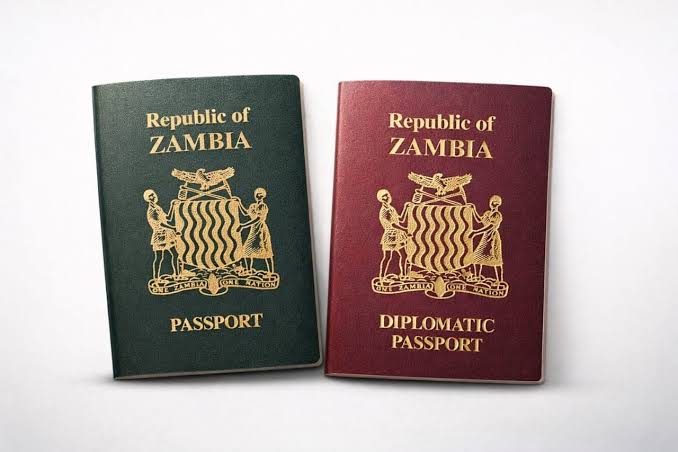
Amnesty International has strongly condemned the Zambian government's decision to revoke the passports of six prominent citizens, accusing authorities of misusing administrative powers to suppress critical voices.
The affected individuals include former Diplomat Emmanuel Mwamba, respected Historian and Academic Dr. Sishuwa Sishuwa, former opposition lawmakers Binwell Mpundu and Emmanuel Jay Banda, former State House Special Assistant Kaizer Zulu, and blogger Lillian Mutambo.
The government publicly announced these cancellations, citing "national security interests" as the justification.
However, in a statement released from Lusaka, Amnesty International directly linked this action to a broader and concerning pattern of restrictions on dissent observed in Zambia following recent general elections.
Vongai Chikwanda, Amnesty International’s Deputy Regional Director for East and Southern Africa, asserted that "The arbitrary cancellation of passports by Zambian authorities is a violation of international human rights law."
Chikwanda emphasized that the targeted individuals are well-known for their criticism of the government and their active roles in public and political life.
He argued that by "weaponizing citizenship documents to target dissidents, activists, or political opponents," the authorities are explicitly breaching the right to freedom of movement, a right enshrined in Article 12 of the International Covenant on Civil and Political Rights (ICCPR).
The decision, Chikwanda noted, comes amidst heightened political tensions in Zambia post-elections. He further highlighted a "wider post-election crackdown on dissent," which includes arbitrary arrests and detentions of opposition members and other government critics.
Chikwanda stressed that the implications of these cancellations extend beyond mere travel restrictions, impacting the fundamental identity and legal status of the individuals.
"The decision to cancel these passports effectively strips these individuals of their legal and social identity and traps them in a state of de facto statelessness," he explained, adding that it undermines their dignity and basic civil protections.
Amnesty International hasmeticulously documentedwhat it describes as a rapid deterioration in human rights within Zambia, particularly in the period leading up to, during, and after the elections.
This documentation cites numerous instances of arbitrary arrests, detentions, and attacks specifically targeting human rights defenders, activists, journalists, and members of opposition political parties.
As a grim example of this escalation, Chikwanda referenced the killing of former Cabinet Minister Mutotwe Kafwaya during a security operation.
In response to these grave concerns, Amnesty International has issued a clear call to action, urging the Zambian authorities to immediately revoke the passport cancellations, restore the passports of the affected individuals, and provide appropriate remedies for any harm that has resulted from what they describe as this unlawful decision.