You Might Have Tactile Sensitivity And You Don’t Know
Have you ever heard of tactile sensitivity? What it is, how it shows up in everyday life, and why many people live with it unknowingly. Through relatable scenarios and subtle humour, the piece encourages body awareness, empathy, and understanding.
Aisha still remembers the smell of disinfectant.
That sharp, clean scent that lives permanently in hospital corridors. As a child, it made her stomach tighten. Anytime her mother announced a hospital visit, Aisha’s body reacted before her mind could catch up, sweaty palms, stiff shoulders, shallow breathing.
The adults around her then called it fear. “She’s just scared of injections,” they said. Children are allowed to be dramatic, after all.
Years have passed and Aisha has grown up, interestingly the fear of being touched in the hospital has never left, it just learned how to dress like an adult.
She no longer cried or protested. Instead, she smiled politely while her body screamed quietly inside.
When she booked a spa therapy session recently to ease body pains, she thought she was finally doing something nice for herself.
But the moment the attendant’s hands pressed into her skin, her muscles locked, her chest tightened and her thoughts scattered.
She sat up abruptly, apologized awkwardly, and left.
The spa attendant watched her go, confused. What went wrong?
Aisha herself didn’t know.
What neither of them realized was that this wasn’t rudeness, fear, or overreaction.
It might have been tactile sensitivity.

When Touch Feels Different: Understanding Tactile Sensitivity
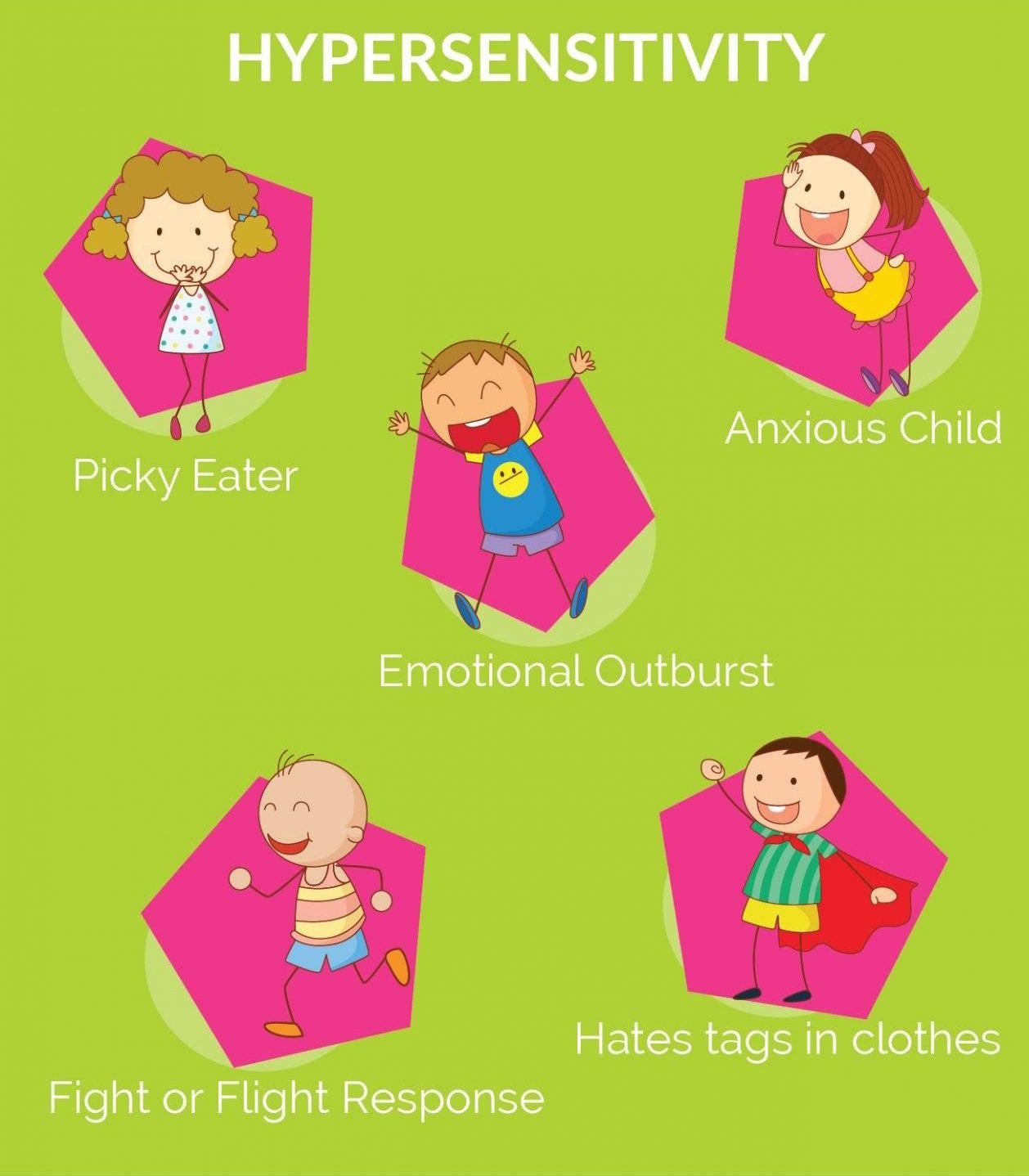
Tactile sensitivity is a heightened or altered response to physical touch. For people who experience it, sensations others find neutral or even pleasant can feel overwhelming, irritating, or distressing.
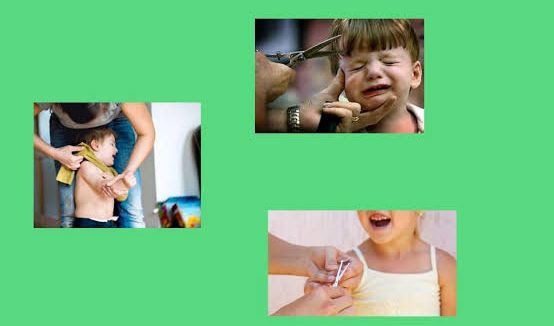
This includes touch from people, clothing textures, massages, medical procedures, grooming, or even everyday contact like a tap on the shoulder.
It is not imaginary, it is not “overthinking” and it is certainly not a personality flaw.
Tactile sensitivity exists on a spectrum, some people feel mild discomfort, while others feel intense emotional or physical distress.
It can show up in childhood and persist into adulthood, often misunderstood along the way, just like Aisha’s hospital anxiety was mistaken for childish fear.
Many people live with tactile sensitivity for years without knowing there is a name for it and just simply adapt as they grow up.
They avoid hugs, dread hair salons, tense up at medical checkups and even cancel spa appointments halfway through, just like Aisha.
Society usually labels them “difficult,” "dramatic," or “too sensitive,” and eventually, they learn to label themselves the same way.
Parents, like Aisha’s mother, often interpret it through familiar lenses: fear, stubbornness, or anxiety. Service providers, like the spa attendant, assume discomfort means dissatisfaction.
Rarely do we pause to consider that the body itself might be communicating something deeper.
Tactile sensitivity can be linked to sensory processing differences, anxiety disorders,autism spectrum traits, trauma history, or neurological variations.
Sometimes, there is no clear cause and that does not make the experience less valid.
The key point is this: not everyone’s nervous system processes touch the same way.
Living With It: Awareness, Adaptation, and Compassion
One of the hardest parts of tactile sensitivity is not the sensation itself, it is the misunderstanding surrounding it.
Aisha learned early that expressing discomfort invited explanations that didn’t fit. “You’ll grow out of it.” “Relax.” “It’s all in your head.”
Over time, she stopped explaining altogether. Like many adults, she internalized the belief that discomfort must be endured quietly to appear normal.

But awareness changes everything.
Understanding tactile sensitivity allows people to recognize their limits without shame. It reframes reactions not as weakness, but as differences in sensory wiring.
That awareness can transform daily life in small but meaningful ways.
For someone like Aisha, it may mean communicating boundaries upfront, telling a massage therapist to use lighter pressure or asking for consent before touch.
It may mean choosing clothing textures carefully or opting out of experiences that trigger distress without feeling obligated to justify it.
For others around them, awareness fosters empathy. A parent learns not to dismiss a child’s reaction as drama.
A partner understands why unexpected touch causes tension. A professional realizes that discomfort is not rejection, but information.
This is where humour quietly enters the conversation, because when people finally understand tactile sensitivity, many laugh in recognition of some repetitive patterns.
So that’s why I hate tight jeans.
So that’s why hugs exhaust me.
So that’s why salons feel like endurance tests.
Yes that is why, because the body, as it turns out to be, has been speaking all along.
Health, after all, is not only about curing illness. It is about listening to patterns, reactions, and signals we were taught to ignore.
Our bodies are not obstacles to productivity or politeness; they are systems designed to protect us.

Tactile sensitivity does not need to be “fixed” in every case. It needs to be understood, respected, and navigated thoughtfully.
And perhaps most importantly, it reminds us of something deeply human: what feels normal to one person may feel unbearable to another.
So next time someone pulls away from a touch, cancels an appointment abruptly, or hesitates in a clinical space, it may not be fear or rudeness.
It may simply be a nervous system asking for gentler terms and it would be human to help them meet those terms.
Aisha is learning that now, slowly, kindly and on her own terms.