Yoruba Cinema Didn't Die — Its Stars Just Moved On
Yoruba cinema didn’t vanish—it evolved. Its biggest stars moved to bigger stages, from streaming platforms to English-language productions, leaving the industry structurally sound but no longer at the center of Nigeria’s film conversation. Explore how talent, opportunity, and changing prestige reshaped Yoruba films.

There was a time Yoruba films were everywhere, and I don’t mean in a vague, nostalgic way. I mean everywhere everywhere. New titles dropping back-to-back like there was no shortage of stories to tell or actors to carry them.
You would just finish one film and somehow another one had already found its way to you through a CD vendor, a friend, or just sitting there on Africa Magic Yoruba when you turned on the TV.
If you had a decoder at home, you didn’t need to go looking for Yoruba films. They were already waiting for you. Someone would inevitably say, “check that channel,” and before long, everybody was seated.
And the faces were consistent. Familiar in a way that made everything easier to settle into. You knew what you were getting, but somehow it still felt fresh. They made it fun and easier to watch.
So it is a bit strange now, when you think about it.
Because the films didn’t exactly stop. People didn’t suddenly lose interest. But somewhere along the line, those same faces started showing up in different places.
We started to see them on cinema screens, English-language films and streaming platforms. Places that felt bigger.
And slowly, almost quietly, Yoruba cinema stopped feeling like the centre of it all. It didn’t die. Its stars just moved on.
When It Was the Main Thing
From the late 1990s through the 2010s, Yoruba cinema was not a side conversation, it was the conversation. The industry ran on a surprisingly efficient machine: films were shot fast, duplicated at Alaba International Market, and distributed through a network of sellers.
Africa Magic Yoruba, under MultiChoice, gave it consistent visibility in millions of Nigerian homes. The star system was tight and recognizable.
It was easy to spotOdunlade Adekola's versatility, Funke Akindele's relatability, Mercy Aigbe's drama, Femi Adebayo's range, Muyiwa Ademola's quiet intensity.

Their films shaped the way people talked, joked, and made sense of everyday life. Yoruba cinema was not that "local content" in the patronizing way that phrase is sometimes used.
For a massive segment of Nigerians, it was simply mainstream.
The Stars Started Leaving
Now, the biggest names in Yoruba cinema didn't abandon the industry out of shame or carelessness. They followed opportunity because that is what talent does when a stronger current pulls it.

Funke Akindele crossed over and built one of the most commercially successful film franchises in Nigerian cinema history with the Jenifa series, then pivoted further into mainstream Nollywood with films like Omo Ghetto and A Tribe Called Judah, the latter landing on Netflix.
Femi Adebayo produced King of Thieves, a Yoruba-language film, yes, but one created specifically for cinemas and streaming, not for CD racks or decoders’ channels.
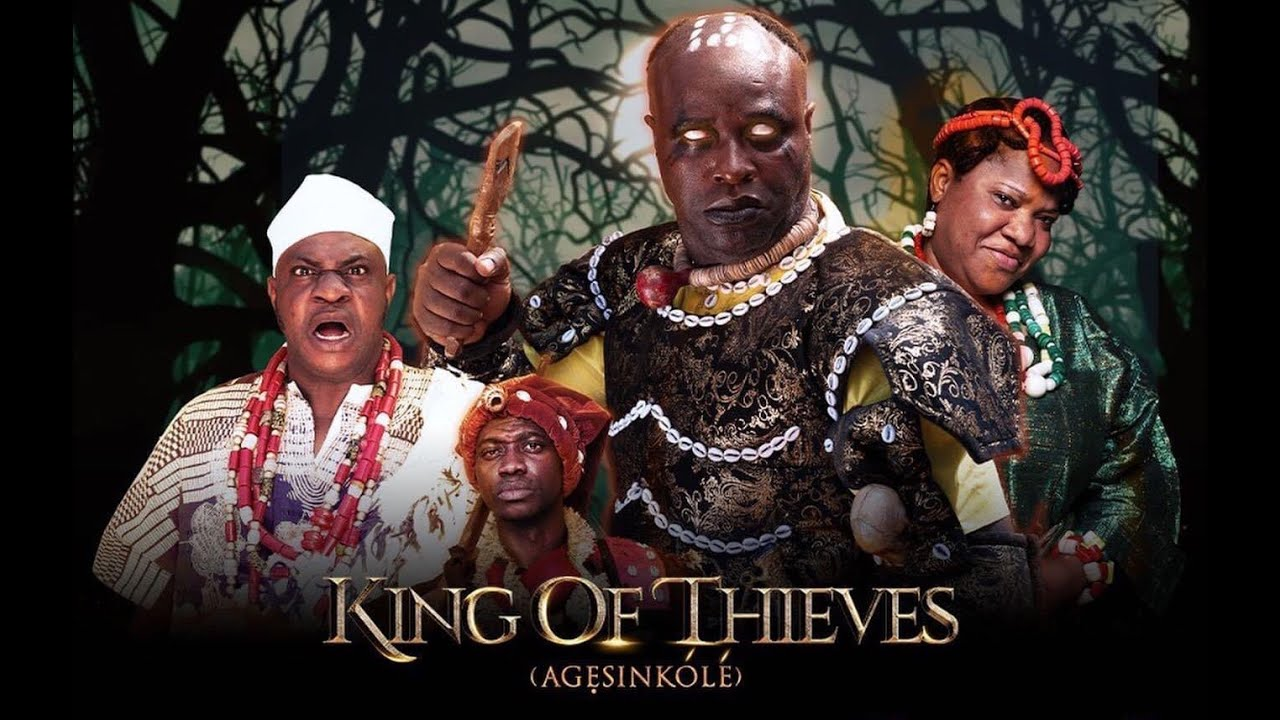
King of Thieves || Source: Google
Mercy Aigbe moved steadily toward English-language productions and brand visibility. Odunlade Adekola began appearing in big-budget crossover projects.
Even newer faces entering the industry looked sideways at English-language productions the moment their profiles grew large enough.

The logic was never personal. Prestige in Nigerian entertainment shifted toward English-language productions that could travel far to international audiences.
Cinema premieres became the ultimate status symbol. Streaming rewarded polished and cross-language appeal.
Talent follows infrastructure. Prestige follows money. And both were shifting elsewhere.

The Industry Couldn't Hold Them
But the migration was not purely about ambition. Yoruba cinema's internal structure made it genuinely difficult to retain its brightest stars long-term.
Piracy ate into the revenue, those same Alaba CDs that distributed films quickly also made it nearly impossible to track or protect earnings. Production budgets stayed low because the monetization model was weak.
Cinema penetration in Yoruba-speaking regions remained limited. And unlike English Nollywood, which began building relationships with streaming platforms and securing international licensing deals, Yoruba cinema's digital transition was slow and incomplete.
The problem was never cultural relevance. People still loved the stories. The problem was structural sustainability and the industry had not built an ecosystem that could financially reward its best talents the way international crossover productions could.
When the gap between what you earn in a Yoruba film and what you earn in a Netflix project gets wide enough, the choice starts making itself.
So Did It Actually Die?
No. And it matters to be precise here. Yoruba films are still being produced. There are still loyal audiences watching on YouTube channels and digital platforms.
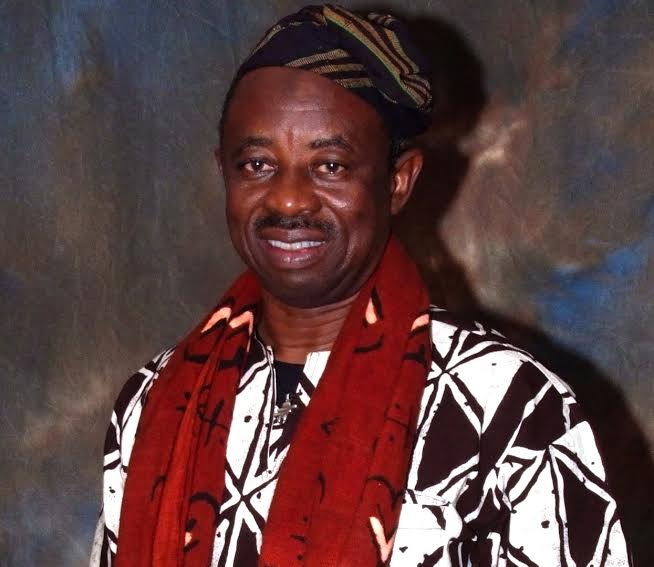
Filmmakers like Tunde Kelani never really left. New voices keep emerging. But there is a difference between an industry that exists and one that dominates and Yoruba cinema no longer feels like the centre of the Nigerian film conversation.
It used to set the pace. Now it follows the rhythm others set. That distinction is what people are sensing when they say something feels lost, even if they can’t name it.
The Real Question
Yoruba cinema didn't die and it was not abandoned by its audience. It was outgrown by its own stars and overshadowed by a shifting prestige economy that rewarded language crossover, cinema premieres, and streaming visibility over everything it had built.
The culture is still there. The audience is still there. But perhaps the real question is not what happened to Yoruba cinema, it is whether the industry can rebuild an ecosystem strong enough to make its brightest talents want to stay.