Wontumi Exim Bank Saga: High-Stakes Plea Bargain Debate Grips Ghana
Ashanti Regional NPP Chairman, Bernard Antwi Boasiako (Chairman Wontumi), is seeking a plea bargain in a GH¢30 million Exim Bank fraud case, sparking debate on its implications for justice and anti-corruption efforts. While his lawyer insists it's not an admission of guilt and legal experts support fund recovery, anti-corruption campaigners caution against undermining accountability. The legal and political ramifications of this decision are unfolding, with significant dates set for upcoming court proceedings.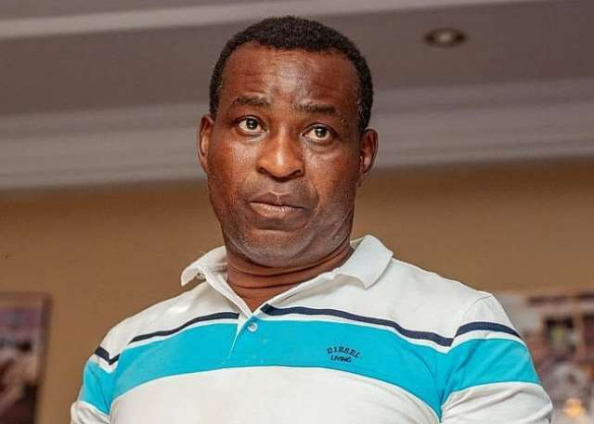
Bernard Antwi Boasiako, widely known as Chairman Wontumi, the Ashanti Regional Chairman of the New Patriotic Party (NPP) and a prominent businessman, has initiated discussions for a plea bargain with the state in an ongoing criminal trial. This move pertains to an alleged GH¢14.3 million loan fraud case involving the Ghana Export-Import Bank (Exim Bank), with total liabilities escalating to over GH¢30 million due to interest and other charges. The request for plea bargain negotiations, lodged by Wontumi's lawyer, Andy Appiah-Kubi, on June 5, has sparked considerable public debate regarding its implications.
Mr. Appiah-Kubi has strenuously clarified that his client's decision to pursue plea bargain discussions does not constitute an admission of guilt. Speaking on JoyNews' The Pulse, he emphasized that this action is a strategic use of a legal provision under Ghana's Criminal Procedure Act, specifically Section 162C(3), which permits an accused person to apply for plea bargaining at any stage of criminal proceedings. The lawyer stated, "We have initiated proceedings to begin plea bargaining agreement discussions. At this stage, we have asked for the commencement of negotiations with the hope of arriving at a plea bargain agreement." He maintained that Wontumi continues to benefit from the constitutional presumption of innocence until proven guilty by a competent court.
The Exim Bank case, filed in May 2025, names Wontumi as the first accused, alongside Wontumi Farms Limited and Thomas Antwi-Boasiako, who is reportedly at large. The trio faces four serious counts: defrauding by false pretences, uttering a forged document, money laundering, and intentionally causing financial loss to a public body. Wontumi pleaded not guilty on May 18. Prosecutors allege that in 2018, Wontumi Farms applied for a GH¢19 million facility, falsely claiming to have secured approximately 100,000 acres of land for a large farming venture. The bank approved GH¢18.7 million and disbursed about GH¢14.3 million. However, investigations suggest no land was purchased, no crops planted, no equipment acquired, and no workers hired. The state further claims Wontumi altered a pro-forma invoice into a fake receipt to draw down an additional GH¢4 million, diverting these funds for personal use. If convicted, Wontumi faces severe penalties under Ghana's Criminal Offences Act, including up to 25 years for defrauding by false pretences, up to 10 years for forgery, and between 10 and 20 years for money laundering. This case forms part of the government’s "Operation Recover All Loot" campaign, aimed at retrieving allegedly stolen public funds.
The legal community holds differing views on the proposed plea bargain. Private legal practitioner Martin Kpebu has strongly endorsed the arrangement, arguing that the paramount goal should be the swift recovery of the GH¢30 million allegedly lost to the state. Mr. Kpebu clarified that plea bargaining is not an automatic admission of guilt and can lead to various outcomes, including the complete withdrawal of charges, reduced sentences, or lesser punishments, depending on the negotiations. He stressed that the law should not exclude any case from this mechanism and that fund recovery can significantly benefit national development. He also pointed out that resolving one case via plea bargain does not shield Wontumi from other potential or ongoing legal challenges, noting that Wontumi faces at least two other criminal cases related to alleged illegal mining activities involving Akonta Mining. These include charges of assigning mineral rights without ministerial approval and facilitating unlicensed mining at Samreboi, with a judgment due on July 3, and counts related to mining in the Tano Nimri Forest Reserve.
Conversely, anti-corruption campaigner Vitus Azeem has expressed significant reservations, cautioning that the increasing use of plea bargains in corruption cases could undermine Ghana's anti-graft efforts, especially if transparency and strict safeguards are not rigorously applied. Mr. Azeem articulated concerns that such agreements might create an impression that individuals accused of financial wrongdoing can evade meaningful sanctions by merely repaying funds. He warned against normalizing the practice, as it could incentivize public officials and businesspersons to unlawfully benefit from state resources, with the expectation of negotiating repayment later. While acknowledging the state's difficult dilemma in balancing fund recovery against lengthy criminal prosecutions, Mr. Azeem emphasized that decisions must prioritize the broader public interest and public confidence in anti-corruption initiatives. Despite his reservations, he opposed abolishing the legal provisions for plea bargaining, affirming that the law remains a necessary tool within the justice system, granting discretion to the state based on individual case merits. He called for full transparency from government institutions when considering high-profile plea agreements.
The current plea talks also unfold amidst Wontumi's political aspirations, as he campaigns for the NPP's national chairmanship. His legal battles, which have reportedly caused financial strain, are seen by many as a critical test of the government's commitment to its anti-corruption agenda. Attorney-General Dominic Ayine had previously rejected private plea offers in Wontumi's mining cases, advocating for public, court-supervised requests – a strategy now aligned with Appiah-Kubi's formal application. The Exim Bank case is set to return to court on June 18 for a case management conference, with the Samreboi mining verdict following on July 3. The outcomes of these intertwined legal and political developments will significantly shape Wontumi's immediate future and provide a measure of the government's anti-graft credibility.