Why Singapore's Opt-Out Organ Donation System Works, And Why It Would Struggle in African Healthcare Systems
Singapore's opt-out organ donation system saves lives through presumed consent and strong infrastructure. Here's why replicating that model across African healthcare systems faces deep structural, cultural, and legislative barriers.
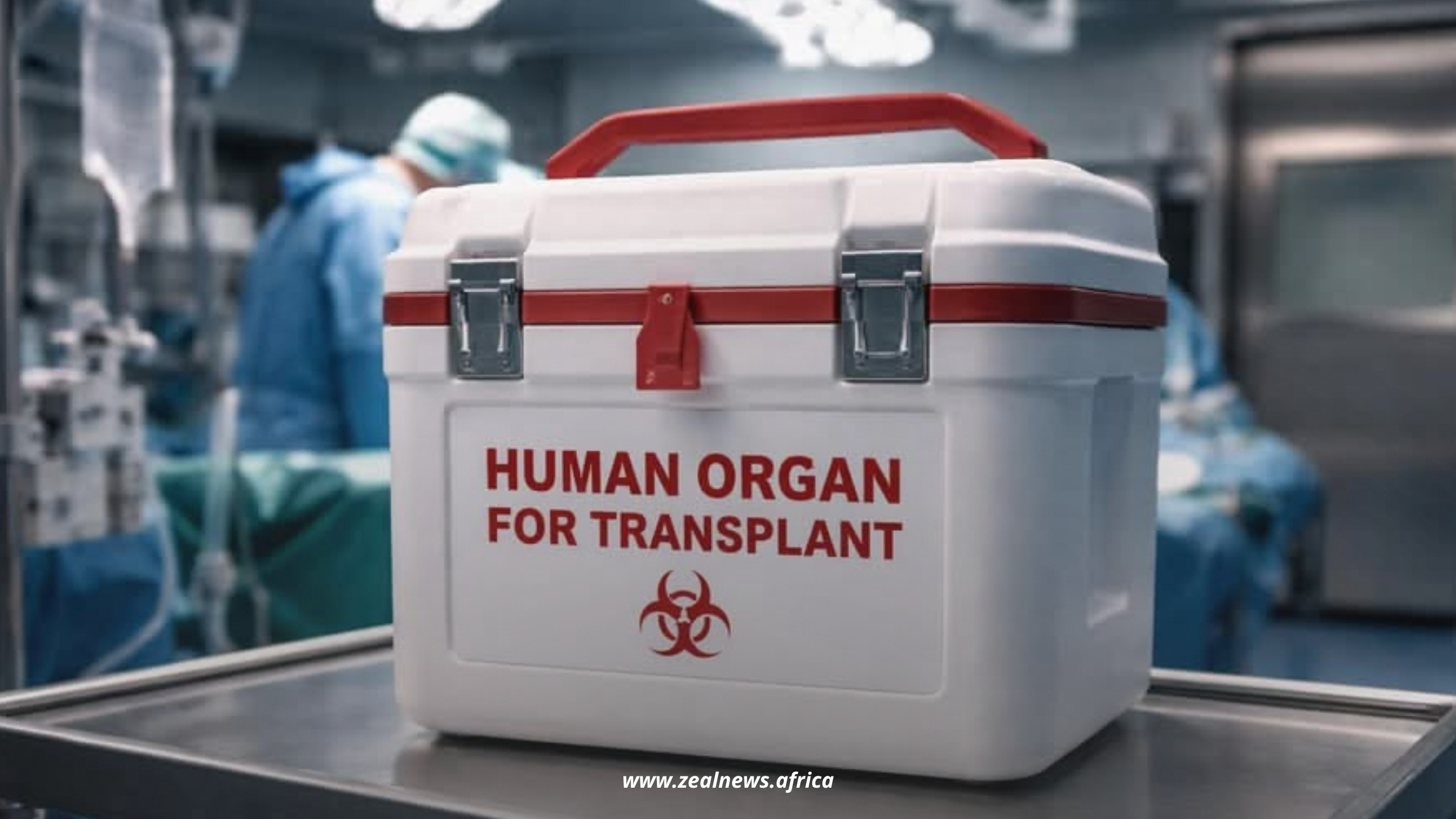
Across a continent of 1.4 billion people, the question of how organs move from the dead to the living remains largely unanswered. Most of Africa does not have a functioning cadaveric organ donation system.
There are no national registries in most countries, no established protocols for declaring brain death and no legislative architecture that makes deceased donation possible at scale.
In many African countries with hospitals, universities, and functioning governments, the apparatus for organ transplantation barely exists.
What does exist is a rather quiet desperation with patients on dialysis for years, waiting for kidneys that never arrive; children born with cardiac defects that cannot be repaired locally; people who die not because science failed them, but because the system never caught up.
Against that backdrop, Singapore's opt-out organ donation model stands as a case study in what deliberate, legislative willpower can achieve and what Africa would need to replicate it.
How Singapore's Opt-Out Organ Donation Law Works
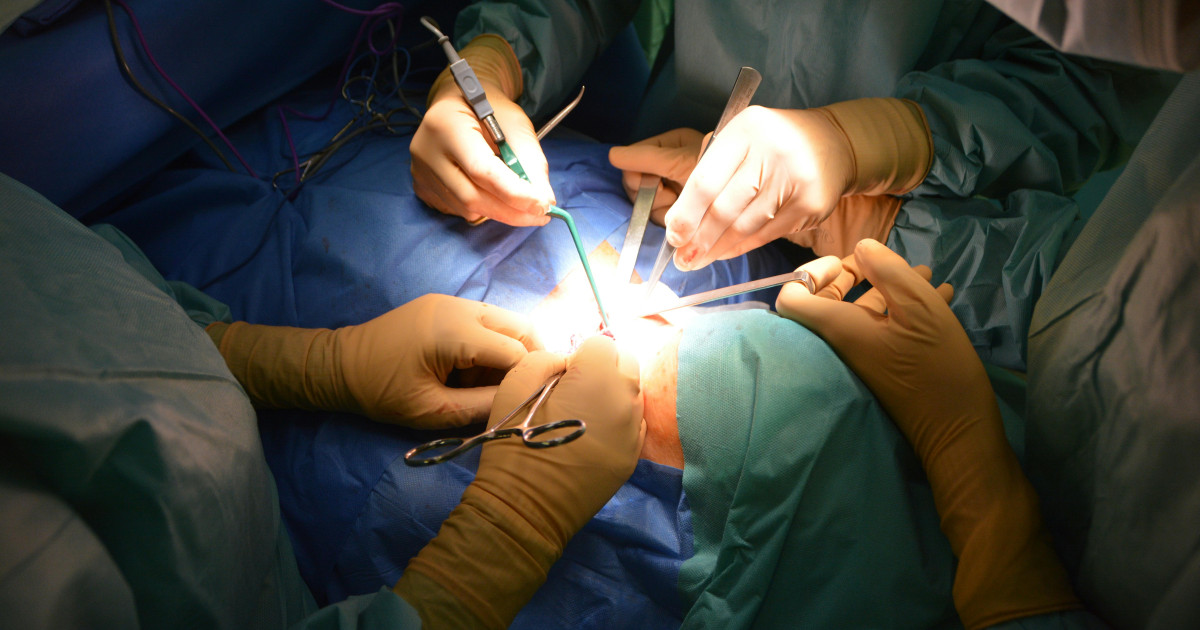
Singapore's organ donation framework is built on the Human Organ Transplant Act, known as HOTA, first enacted in 1987. It is a presumed consent organ donation system where every Singaporean citizen and permanent resident aged 21 and above is automatically enrolled as an organ donor upon death, unless they have formally registered an objection.
The organs covered under HOTA include the kidneys, liver, heart and corneas. The law applies regardless of religion and is administered by the Ministry of Health through the National Organ Transplant Unit.
The opt-out mechanism is deliberately accessible. Anyone wishing to withdraw can complete a form and submit it to the Ministry of Health. Those who opt out, however, face a consequential trade-off: they are assigned lower priority on organ transplant waiting lists should they ever need a transplant themselves.
It is a policy design that uses civic reciprocity as a quiet enforcement mechanism; simply put, you cannot benefit from a system you refused to contribute to.
Before HOTA, voluntary donation under the Medical Therapy, Education and Research Act proved deeply insufficient. Between 1970 and 1978, only 22 cadaveric kidney transplants were performed. Between 1979 and October 1981, there were none.
The shift to presumed consent organ donation was a direct legislative response to that failure. HOTA was amended significantly in 2008 to include Muslim residents, who had previously been excluded, and again in 2009 to remove the upper age limit of 60 for cadaveric donors.
The system has been calibrated repeatedly to expand its reach and ethical inclusivity.
The result is a functioning cadaveric donation ecosystem, underpinned by clear legal definitions of death, hospital infrastructure capable of identifying and preserving potential donors and a transplant workforce trained specifically for procurement.
Singapore's model works not because its citizens are uniquely altruistic, but because the default is donation, and because the infrastructure exists to act on that default.
Does Opt-Out Organ Donation Legislation Exist in Africa?
A 2024 scoping review published in Heliyon, analyzing global organ donation legislation, concluded that the procurement of organs and tissues from deceased donors is practically non-existent across Africa.
South Africa is the only country on the continent with an established program for deceased donor organ harvesting, and even it uses an opt-in system, requiring explicit prior consent or family approval at the time of death.
In 2017, South Africa performed only 371 solid organ transplantationsacross its public and private health sector, serving a population of nearly 60 million people. The deceased donor rate stood at 1.4 donors per million population which is a fraction of Spain's 49.38 or Croatia's 29.
No African country currently operates a working opt-out organ donation system. The legislative infrastructure for brain death declaration which is an important prerequisite for deceased donation, is absent in most countries.

A study noted that lack of legislation around brain death diagnosis and organ retrieval remains one of the central structural barriers to transplantation in Africa. Without the legal ability to declare a patient brain dead and proceed with organ procurement, presumed consent laws would have nothing to act upon.
Why Implementing Opt-Out Organ Donation in Africa Would Be Deeply Difficult
The barriers are beyond legislations and traces to a foundation with culture, infrastructure, economics and trust, as building blocks.
Cultural and religious attitudes toward death and the body present the most immediate resistance. Research consistently identifies concerns about bodily integrity after death as a primary barrier to organ donation across African communities.
A 2024 study published in Anatomical Sciences Education examined body donation attitudes among the Shona people of Zimbabwe and found that ancestral belief systems, where death marks entry into a spiritual and ancestral realm, create profound reluctance to interfere with remains.
Relatives fear misfortune from ancestral spirits displeased by the mutilation of a deceased family member's body. These beliefs have largely govern how families make decisions in hospital corridors.
An opt-out system passes legal authority to the state, but in practice, family consent remains the decisive variable everywhere it has been tried.
Healthcare infrastructure represents an equally formidable constraint. Organ transplantation requires a precise ecosystem.
ICUs capable of maintaining brain-dead donors, cold chain logistics for transporting organs, tissue typing laboratories, transplant surgeons, nephrologists, immunosuppressive therapies, and post-transplant monitoring are all essentials needed.
A 2025 narrative review in the American Journal of Medicine Open found that Africa suffers from critical shortages of trained transplant personnel compounded by brain drain, inadequate hospital equipment, and the absence of coordinated donor-recipient matching systems.
Only Algeria, among all African nations, provides free immunosuppressive therapy to transplant recipients. Without that post-operative support, a donated organ becomes a temporary reprieve, not a cure.
Medical mistrust adds another layer. Research from the University of the Witwatersrand has documented how negative media portrayals of organ donation, combined with historical unethical medical research on the continent, have produced deep suspicion about what hospitals do with donated organs.
Families already grieving are unlikely to override that suspicion on short notice. Opt-out systems globally depend on public trust and family-centered communication, neither of which can be legislated into existence.
Singapore's opt-out organ donation system is a policy built on a foundation: a high-trust government, universal healthcare, robust hospital infrastructure, and decades of public education.
Africa needs those foundations first. The law can follow.