Why Africa Is Being Asked to Receive U.S. Deportees
Why Africa Is Being Asked to Receive U.S. Deportees
A Bold Refusal Sparks Diplomatic Questions
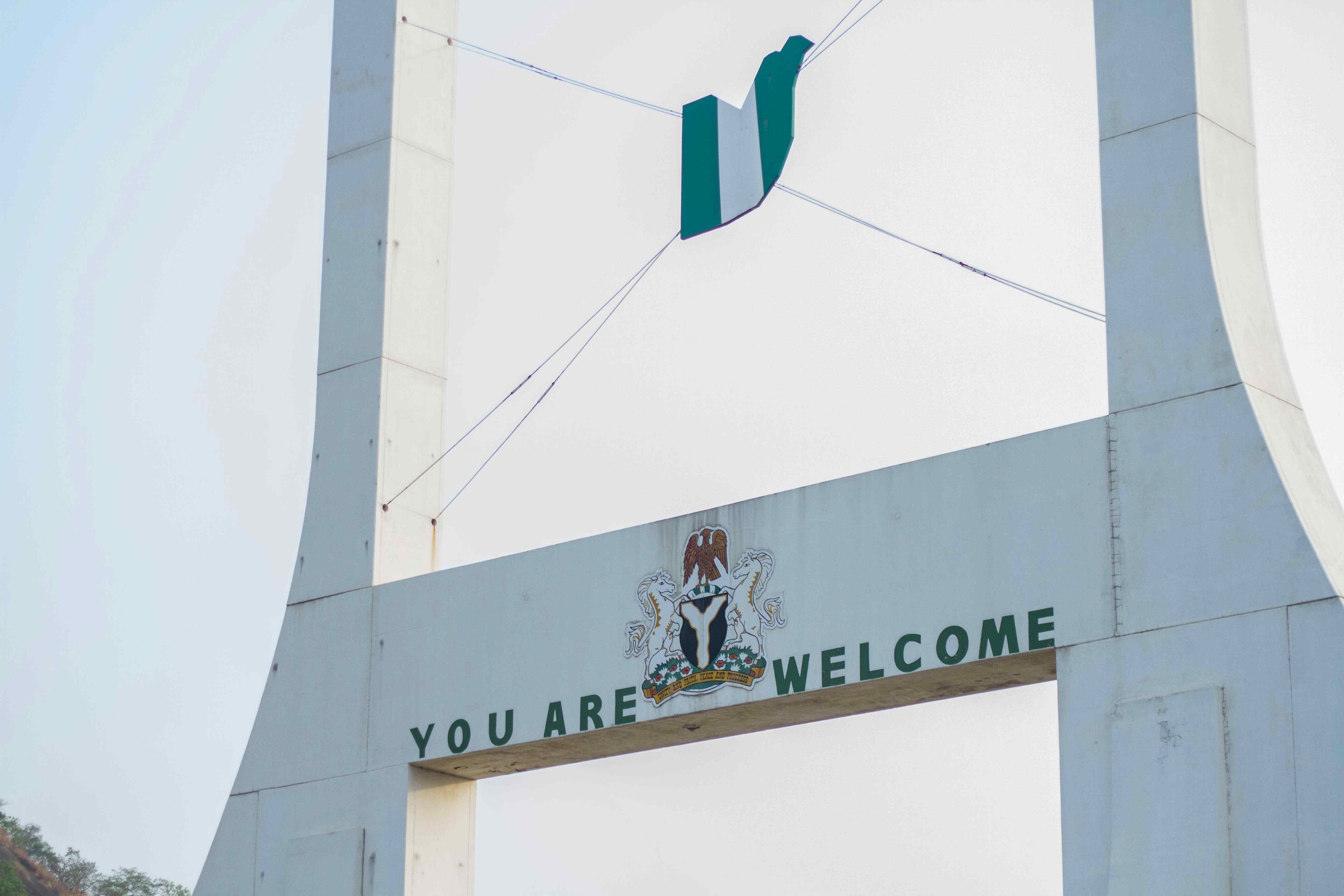
In a firm and unapologetic message, the Nigerian government has said it will not accept deportees from the United States—especially those who are not Nigerian or even African. Speaking on national television, Nigeria’s Foreign Minister Yusuf Tuggar stated unequivocally that Nigeria would not comply with such demands
"We already have over 230 million people," Tuggar said. "In the words of the famous U.S. rap group Public Enemy — you'll remember a line from Flava Flav: 'Flava Flav has problems of his own. I can't do nothing for you, man.'"
The comment may sound lighthearted, but it masks a serious question:
Why is the United States pressuring African countries to accept deportees who have no ties to the continent—especially when many of those individuals have criminal records? Take, for example, the case of eight violent offenders deported to Sudan, when only one of them was actually Sudanese.
Why are the deportees not being sent home?

Some nations refuse to accept certain foreign nationals, issue travel documents slowly, or outright deny them entry. The U.S. has said a third-country option is necessary for individuals it cannot return to their home countries.
A recent memo from U.S. Immigration and Customs Enforcement (ICE) dated July 9, 2025 reveals that under "exigent circumstances," migrants can now be deported to third countries—not necessarily their country of origin—with as little as six hours’ notice, provided they have access to legal counsel.
This policy builds on a June 24, 2025 Supreme Court decision that removed previous restrictions on such deportations, allowing the U.S. government to remove non-citizens to other countries regardless of direct ties.
Deportation Deals with a Catch

U.S. officials, largely under Trump-era policy directives that remain embedded in current frameworks, have reportedly approached Nigeria, Rwanda, Benin, Libya, and South Sudan to act as destinations for third-country deportees. These individuals hail from countries as far away as Venezuela, Myanmar, and Vietnam. Some African states have agreed to preliminary talks; others, like Nigeria, are rejecting the very premise.
This raises another important question:
What motivates a country to accept foreign deportees, and what are the ethical or political trade-offs?
Some analysts suggest such deals may come with economic incentives—aid, security cooperation, or trade concessions. But others warn that these arrangements risk turning vulnerable countries into dumping grounds for richer nations' immigration problems.

Visa Penalties as Political Leverage?

Tensions appear to have escalated in recent months after the U.S. imposed new visa restrictions on Nigeria, Ethiopia, and Cameroon. Officially, the restrictions were framed as part of routine immigration control. But Nigerian officials suspect a link: their resistance to accepting deportees may have prompted quiet retaliation.
This brings up an uncomfortable reality in diplomacy:
How often are immigration and visa policies used as tools of coercion rather than cooperation?
A Test of African Sovereignty
The issue was reportedly discussed during a closed-door meeting between then-President Donald Trump and five African leaders. Though the meeting was nominally about trade, Trump reportedly steered the conversation toward immigration and pressed the leaders to help the U.S. with deportations. He also drew backlash after praising Liberia’s president for speaking English—seemingly unaware that English is Liberia’s official language.
For many African leaders, the exchange was emblematic of a deeper problem: a foreign policy approach that often treats African nations as extensions of Western agendas rather than equal partners.
Nigeria’s firm stance may be read as a broader assertion of sovereignty. In an age of complex global interdependence, the refusal to serve as a geopolitical “holding pen” signals that African countries are increasingly unwilling to play silent roles in the background of Western policy dramas.
Conclusion: Immigration, Power, and Global Responsibility

At the heart of this diplomatic dispute is a broader debate over responsibility and fairness in global migration. As the U.S. and other Western countries tighten their borders, the question of where displaced people should go—and who should take them—becomes increasingly urgent.
Yet offloading this responsibility onto countries with fewer resources and less connection to the migrants themselves raises both ethical and practical concerns.
What does it say about global leadership when wealthier nations externalize their immigration issues to poorer ones?