Where Does Nigeria’s Health Money Go? Nigeria Now Has a Platform to Track the Data
Nigeria’s new Health Financing Observatory brings health spending data together, giving governments, legislators and civil society a clearer way to examine how health money is allocated and spent.
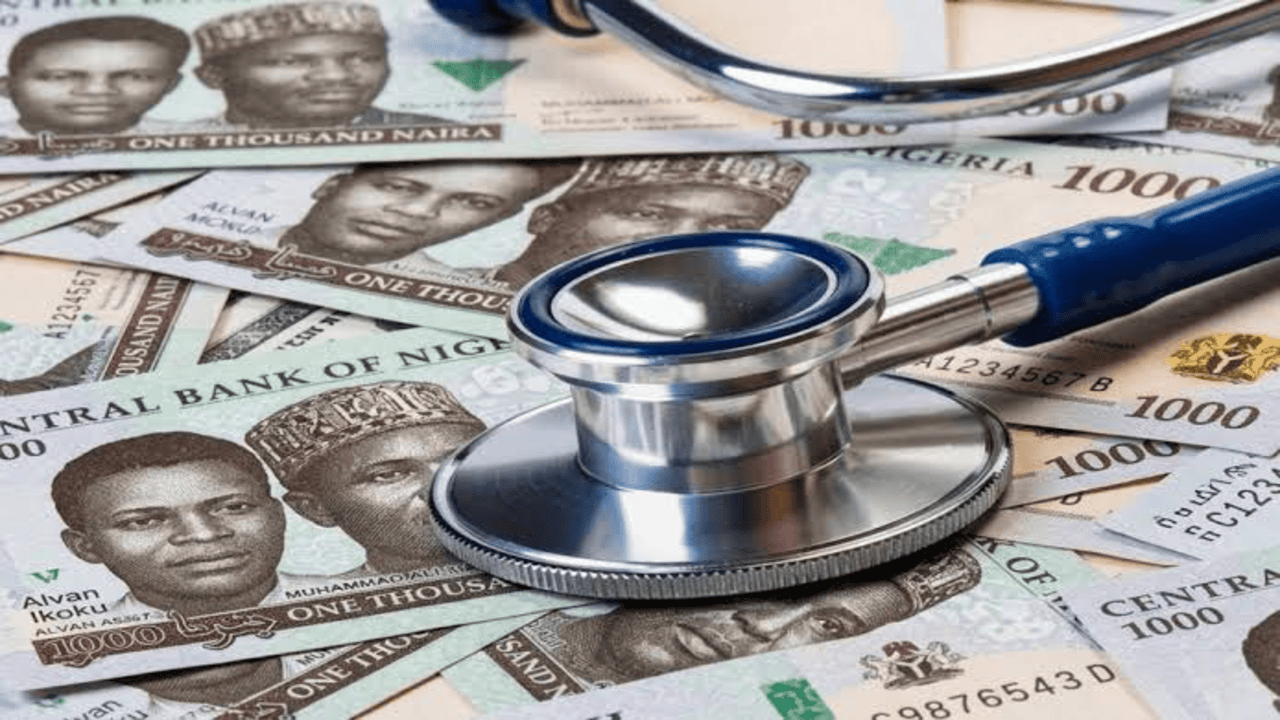
Nigeria has had health accounts, public expenditure tracking surveys, budgets and other sources of financing data before, however, the records do not necessarily give one view of the system.
It’s possible that a primary healthcare centre in Nigeria receives money from the federal government, state government, local government and development partners at the same time.
With these several sources funding the same health system, how easy is it to know the amount actually going into a particular facility or programme, and where it comes from?
This is one of the problems behind Nigeria's new Health Financing Observatory,launched by the National Health Insurance Authority (NHIA) in Abuja on September 29, 2026.
The platform brings health-financing data from different sources into one place, with the aim of making it easier to follow funding, spending and what the money achieves.
Where Nigeria's health money comes from
Money for healthcare also comes through health insurance, development partners and households.
The Observatory is being built to bring information on these different flows together, including budgets and allocations, health spending, government expenditure, insurance, household financial burden, health coverage and health outcomes.
In 2023, out-of-pocket payments accounted for about 72% of Nigeria's current health expenditure, according tothe World Health Organization's Global Health Expenditure Database. The measure refers specifically to the share of current health expenditure financed directly by households.
That makes household spending a significant part of the health-financing picture, alongside government and other sources of funding.
What will actually be on the platform?
Almost 200 indicators have been identified for the Observatory and about 50 have been validated for the first phase, with additional indicators planned as the platform develops.
The data will come from about 10 sources, including the NHIA, Federal Ministry of Health and Social Welfare, Budget Office, Central Bank of Nigeria and National Population Commission, as well as WHO and other sources.
Users will be able to see the source of an indicator and, where it is calculated from other figures, the method used to produce it.
The platform is also being built to allow comparisons across states and regions and to follow changes over time.
While an allocation tells you what was budgeted, expenditure data will show what was spent, then insurance and household-financing figures will give details.
Having them available on the same platform gives users more to work with when looking at health spending.
What happens to the data after launch?

The Observatory is being launched in phases, and the first phase does not yet contain all the indicators that have been identified.

Data will go through validation, including checks for anomalies and review by a technical working group, While each indicator will also have information on its definition, source and methodology.
If the underlying figures are incomplete, outdated or difficult to compare, the platform will have less to show.
The Observatory will also have to keep pace with new data from federal and state institutions, insurance schemes, development partners and households.
At the launch, Samuel Atanda, who led the team that developed the Observatory, said state governments could use the platform to assess their performance against the Abuja health financing target. He also said legislators and civil society organisations could use the data to scrutinise budget allocations and expenditure.
That gives the platform something specific to watch beyond its launch: whether the information becomes useful to the people examining how health money is allocated and spent.