When the Sun Began to Set on Empire: The Gold Coast and the Dawn of African Self-Determination
This piece tells the story of the Gold Coast's journey to independence in 1957, becoming Ghana, the first sub-Saharan African nation free from colonial rule. Led by Kwame Nkrumah and his Convention People's Party (CPP), the movement for "Self-government now!" galvanized the masses, overcoming colonial resistance. Ghana's independence sparked a wave of liberation across Africa, symbolizing the end of the European empire and the dawn of African sovereignty.
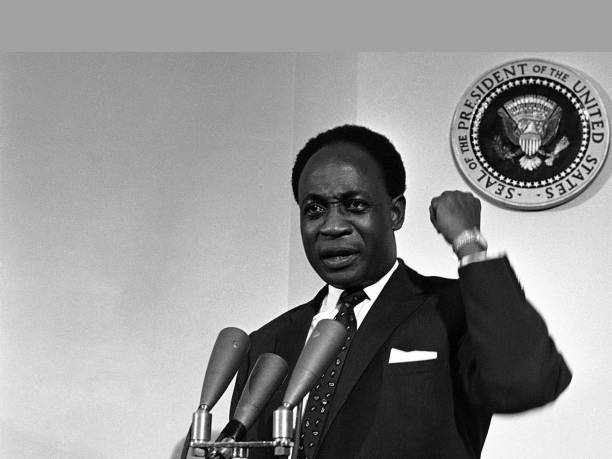
The Dawn of African independence
In the mid-20th century, a wind of change began to stir across the African continent, a yearning for self-determination that would ultimately sweep away the vestiges of European colonial rule. And at the forefront of this transformative movement, like the first crack in a dam holding back a flood, stood the Gold Coast.
Its journey to independence in 1957, culminating in the birth of Ghana, was not merely the liberation of a single territory; it was a seismic event, a powerful declaration that the era of empire was drawing to a close and that the people of Africa were ready to chart their own course.
SOURCE: gettyimages

The success of the Gold Coast’s struggle sent shockwaves across the continent, igniting a chain reaction of liberation movements that would reshape the map of Africa and redefine its place in the world.
For decades, the Gold Coast, a land rich in resources like gold, cocoa, and timber, had been under British colonial administration. While infrastructure had been developed and a degree of modernization introduced, the fundamental power remained in the hands of the colonial authorities.
The indigenous population was largely excluded from meaningful political participation, and the vast wealth of the land was primarily directed towards the benefit of the imperial power.
Seeds of resistance
However, beneath the surface of apparent colonial control, the seeds of resistance were being sown. Educated elites, market women, and ordinary citizens alike began to question the legitimacy of foreign rule and to envision a future where they governed themselves.
The intellectual ferment of the early 20th century played a crucial role in shaping this burgeoning nationalist sentiment. Ideas of Pan-Africanism, championed by figures like Marcus Garvey and W.E.B. Du Bois, resonated deeply with the educated class, fostering a sense of shared identity and destiny among Africans across the diaspora.
The experiences of Africans in the Second World War, fighting for the Allied powers against fascism, further fueled the demand for self-governance. Having risked their lives for the ideals of freedom and democracy, many returning soldiers found the continuation of colonial subjugation at home to be an unbearable contradiction.
Into this environment emerged a charismatic and determined leader: Kwame Nkrumah. Educated in the United States and Britain, Nkrumah was a fervent advocate for Pan-Africanism and a staunch believer in the right of the Gold Coast people to immediate self-government. Returning to the Gold Coast in 1947, he became the General Secretary of the United Gold Coast Convention (UGCC), a political movement initially advocating for gradual progress towards self-rule. However, Nkrumah’s vision was bolder and his sense of urgency greater. In 1949, he broke away from the UGCC to form the Convention People’s Party (CPP), with the electrifying slogan "Self-government now!"
The CPP quickly gained massive popular support, mobilizing a broad coalition of workers, farmers, and youth through rallies, protests, and a powerful message of national liberation. Nkrumah’s leadership style, his powerful oratory, and his ability to connect with ordinary people transformed the political landscape of the Gold Coast. He tapped into the deep-seated aspirations for freedom and dignity, articulating a vision of a prosperous and independent nation that resonated with the masses.
The colonial authorities initially resisted these demands, viewing Nkrumah and the CPP as radical agitators. However, the growing pressure from the nationalist movement, including boycotts and civil disobedience, forced the British to reconsider their position. In 1951, the first general election was held under a new constitution that granted Africans a majority in the legislative assembly.
Despite being imprisoned at the time, Nkrumah won a landslide victory, a clear demonstration of the people’s will. Recognizing the undeniable force of the nationalist movement, the British released Nkrumah and invited him to lead the government.
This marked a crucial turning point. Under Nkrumah’s leadership, the Gold Coast government embarked on a path towards full independence. New constitutions were drafted, and the structures of a sovereign state were gradually put in place. The process was not without its challenges. There were regional and ethnic tensions to navigate, and the colonial administration still retained significant influence. However, Nkrumah’s unwavering commitment and the overwhelming desire of the people for freedom propelled the nation forward.
The Sunset
Finally, on March 6, 1957, the Gold Coast achieved its independence, becoming the new nation of Ghana. The atmosphere was electric, filled with jubilation and a profound sense of hope. Nkrumah, now the Prime Minister, declared that Ghana’s independence was meaningless unless it was linked with the total liberation of the African continent. These words were not just rhetoric; they signaled Ghana’s commitment to supporting other African nations in their own struggles for freedom.
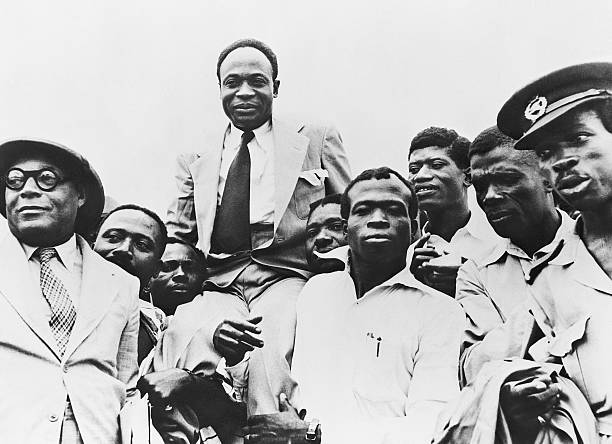

SOURCE: gettyimages

The start to the chain reaction
Ghana’s independence had an immediate and profound impact across Africa. It shattered the myth of European invincibility and demonstrated that African self-governance was not only desirable but also achievable. It provided a tangible example of a successful liberation struggle, inspiring nationalist movements in other colonies to intensify their efforts.
Accra, Ghana’s capital, became a hub for African liberation movements, hosting conferences and providing support to freedom fighters from across the continent. Nkrumah’s Pan-African vision found concrete expression in Ghana’s foreign policy, which actively championed the cause of African unity and liberation on the global stage.
The domino effect of Ghana’s independence was undeniable. In the years that followed, one African nation after another gained its freedom. From Nigeria and Senegal to Kenya and Algeria , the flame of independence that had been ignited in the Gold Coast spread rapidly, fueled by the courage and determination of African peoples and inspired by the Ghanaian example. The transition was often fraught with challenges, including internal conflicts and the lingering influence of colonial powers, but the trajectory was clear. The era of European empire in Africa was coming to an end, and a new era of African sovereignty was dawning.
Conclusion
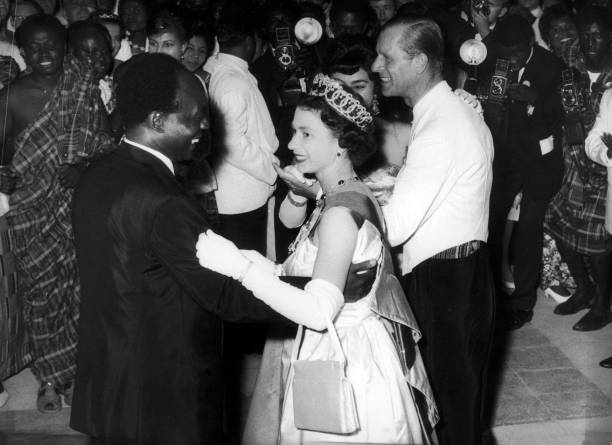
SOURCE: gettyimages

The story of the Gold Coast’s independence is a powerful reminder of the agency and resilience of African peoples in the face of colonial oppression. It underscores the crucial role of visionary leadership, popular mobilization, and the unwavering pursuit of self-determination in achieving liberation.
Ghana’s emergence as an independent nation was not just a historical event; it was a watershed moment that irrevocably altered the course of African history, setting in motion a chain reaction that would ultimately lead to the liberation of the continent and the assertion of African dignity on the world stage.
The echoes of that momentous achievement in 1957 continue to resonate today, reminding us of the enduring power of the human spirit in the quest for freedom and self-governance.