When Silence Isn’t Healing: The Fragile Lifeline of Mental Health in South Sudan
In South Sudan, amidst war and displacement, trauma deeply affects people. A mental health clinic in Mundri offers a lifeline to those suffering silently. Joy Falatiya, a mother of five, found solace in the clinic after facing immense despair. The clinic, part of an initiative by Amref Health Africa, serves over 20,000 people but faces an uncertain future due to drying funding from Italian and Greek donors.
A Whisper Beneath the War
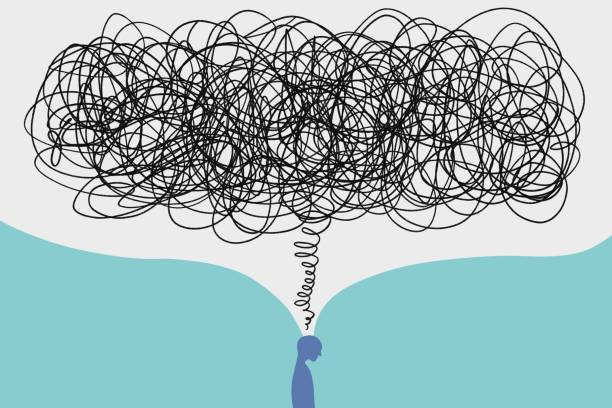
In South Sudan, amid the echo of gunfire and the shudder of displacement, trauma takes root not in stones or soil—but in the human heart. It nestles in the eyes of a mother who feared for her children, in the mind of a father who lost his home, and in the wounded memory of a child who watched peace slip away.
Yet, in that quiet suffering, there are rare sanctuaries—voids filled with hope—and among them, mental health clinics that stand against the encroaching darkness.
The Oasis in Mundri
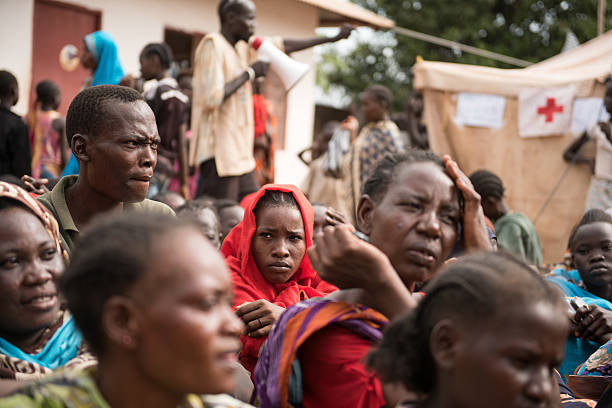
In the town of Mundri in Western Equatoria, a peculiar lifeline quietly exists: a mental health clinic that draws in those whose pain is often invisible. Joy Falatiya, a mother of five, nearly slipped into the river with her children after she was cast out of her home. Gripped by despair, she came here—where shared walls offered something precious: a listening ear, a name for her grief, and a whisper of survival. Through psychosocial therapy, her suicidal thoughts receded, even as hunger and destitution persisted.
SOURCE: gettyimages

This clinic was born in late 2022, part of an initiative led by Amref Health Africa and partner organizations, aiming to serve over 20,000 people across eight locations. It finds its roots not just in medicine, but in trust—operating between community centers, local parishes, radio stations, and clinics.
But fate is seldom kind. With funding from Italian and Greek donors drying up, the clinic’s future is hanging by a thread, even as its patients cling to the fragile peace it has given them.
A Country Haunted by More than War
South Sudan’s wounds refuse to heal. The nation’s civil war has displaced millions, invaded markets, and fractured families. As the fighting resumed after short-lived ceasefires, mental health never made it onto the negotiating table. Instead, trauma has grown in the shadows, its tendrils winding through communities, haunting mornings with dread and nights with insomnia.
Add to this a public health system hollowed by conflict—one where only half of clinics were functional even before the latest assault—and the picture becomes painfully clear: health is a scarcity, mental health even more so.
The Silent Epidemic
It’s not just disruption and displacement. Mental distress in South Sudan has become a force of its own:
The suicide rate is among the highest in Africa, and in the world. In Juba, twelve cases were reported in just one week—a tremor of panic in a city where even speech can be dangerous.
PTSD, depression, post-partum sadness—each is woven into the national fabric, often triggered by violence, loss, hunger, or the endless waiting that comes after fleeing home.
Stigma prevails like a disease itself. Those who complain are labeled “weak,” “separated from their heads,” or worse—sidelined and abandoned. Families sometimes chain their own in confusion, unable to reach help or understanding.
The Few Who Dare to Listen
In this void, only a handful of organizations have stayed to listen. MSF (Doctors Without Borders), for example, provided over 9,600 mental health consultations from January to July 2024 and held group sessions for 54,000 people. Yet, for all the sessions, these are but droplets in a desert.
Social Insight
Navigate the Rhythms of African Communities
Bold Conversations. Real Impact. True Narratives.
Many arriving at clinics have survived sexual or ethnic violence. Many travel days in search of care, only to return home without follow-up—and sometimes without hope.
Caritas has attempted to fill the gap with Self Help Plus sessions—stress management groups rooted in WHO techniques, led mostly by women, offering exercises that can be done at home. Every small victory matters.
How the System Betrays the Silent
What hampers healing is not always bullets or bombs—it is legalese, neglect, and absence:
South Sudan’s penal code still criminalizes suicide attempts, treating someone in anguish as a criminal. This forces families and doctors to redefine attempts as “accidents” to avoid legal trouble—making help even harder to reach.
Public health spending hovers near zero; international donors fund nearly 80% of healthcare, and cuts are felt instantly. Clinics close. Mothers die waiting in queues. Children walk for miles toward nothing.
More than 8 million people need humanitarian help, including mental care. But donors stride away. Crisis fields grow unchecked.
The Emotional Geography of Trauma
People bear invisible scars:
Mary, who escaped violence as a child, lost her father, brother, then husband, and now cares for six children, teetering between providing and falling apart.
Germando Kagomba, an MSF counselor, says that most patients come seeking answers for grief and loss.
In their voices is a memory of security, long lost. In their relief when heard, a hope that perhaps silence will not have the final word.
A Break in the Distance
SOURCE: gettyimages

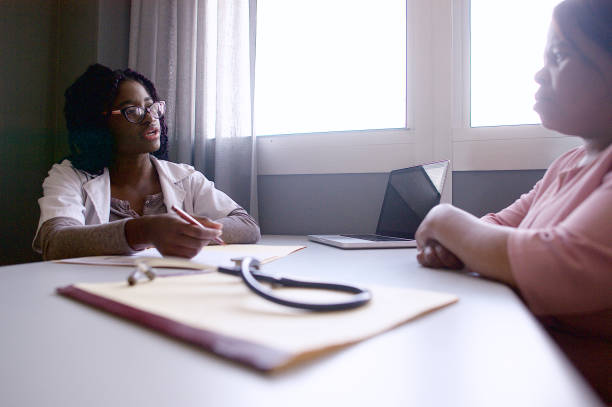
Between announcements of war and the ceaseless flow of refugees lies something quieter but no less important: a session where women share trauma, where someone says “I see you,” and healing begins—not in shelters or statutes, but in shared stories.
These are small revolutions of compassion—but fragile ones.
What Must Be Done
Sustain funding. Programs like the Mundri clinic must survive beyond donor contracts. They must become part of the system, not side shows.
Shift the narrative. Mental health needs not be adulted behind closed doors. It must enter school, courts, community halls—as normal human struggle, not shame.
Legal reforms. Criminalizing suicide keeps survivors silent. Reform must come, not as charity, but as compassion codified.
Train locals. South Sudan can build its own counselors, not rely on outsiders. Cultural healing needs cultural carriers.
Treat trauma as development. Mental health isn’t charity; it’s the foundation of any future.
Conclusion: Listening as Resistance
South Sudan fights many wars—over land, over power, over peace. But the battle within, in fractured hearts and shattered minds, is among the hardest and most necessary.
When a mother like Joy sits on cracked earth and says, “My bad thoughts can be removed,” it is more than recovery. It is rebellion. And when that clinic’s walls hold steady, even for one more day, it does more than just house therapy—it houses hope.
In the end, healing is not found in treaties or violence, but in silence being given a name, and a listening ear. In that, South Sudan can begin to rebuild—not just the government, but humans.