When Nollywood Meets Netflix: The Creative Tug Between Local Storytelling and Global Algorithms
Nollywood’s partnership with Netflix is rewriting the script for African cinema, offering global reach but raising questions about authenticity. As algorithms meet local storytelling, the industry faces a defining moment: can it stay true to its roots while captivating the world?
A Global Stage for Local Stories
Ten years back, Nollywood was pure hustle. Picture cramped Lagos studios, shoestring budgets, home videos selling fast in crowded markets—no glamour, just grit. Now? Those very stories find their way into living rooms everywhere, streaming on Netflix and Amazon Prime. People used to dismiss Nigeria's movie industry for its shaky cameras and low-quality soundtracks. Everyone's now talking about how fast it's growing and how huge it's become. But now that the world is paying attention, there's this new conundrum: how do you remain authentic and grassroots while the world is looking?
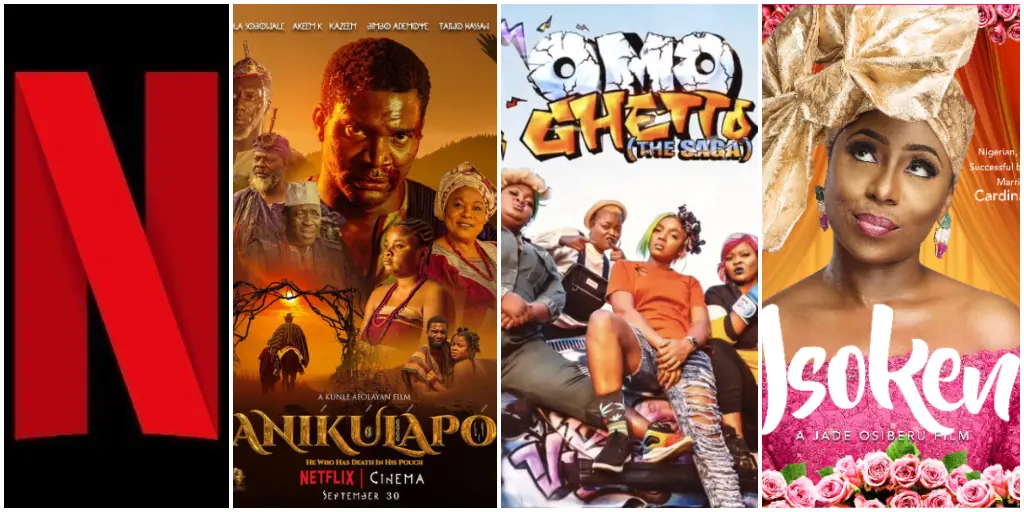
Netflix arrived in Nigeria in 2016 and turned the entire game around. Suddenly, filmmakers could reach much farther than Africa. Their movies traveled, gaining fans somewhere they never dreamed. Locally, people logged on to Netflix and saw Nigerian movies on the same platform as Hollywood films or Bollywood blockbusters. Lionheart, King of Boys, Anikulapo, The Black Book—they started grabbing global attention. People loved the sharp writing, the stronger production values.
Still, there’s this nagging worry. Some folks in the business wonder what all this streaming success really means. Old-school Nollywood was all heart—huge emotions, wild humor, stories that felt like home. It didn’t matter if the gear was cheap; movies like Osuofia in London or Living in Bondage worked because they were honest. They got people. They spoke to everyday life, all the dreams and struggles.
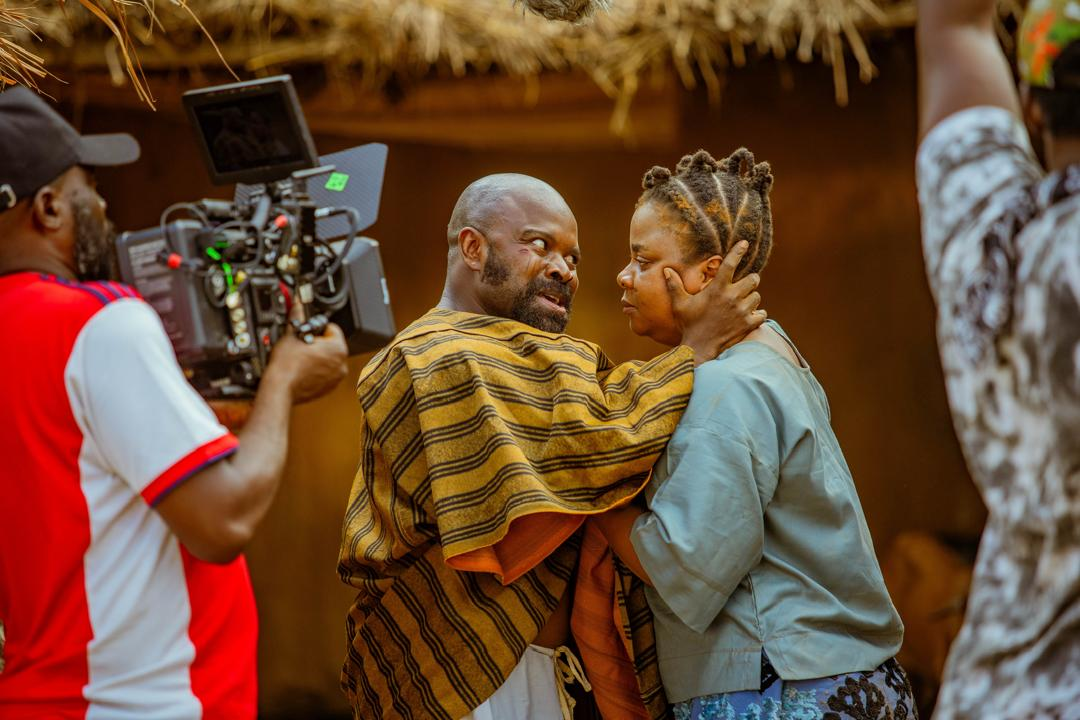
Now, the pressure’s on. Filmmakers get scrutinized—pacing, dialogue, lighting, sound—everything’s expected to line up with international “streaming standards.” The want to seem global can gloss over the quirks that made Nollywood, well, Nollywood. Not to everyone, though. Some say the industry is just growing up. Why can’t Nigerian cinema be both raw and refined? Why not mix craft with authenticity?
A Lagos producer put it simply: “Netflix gave us the microphone. What we do with our voice is up to us.”
The Algorithm vs. the Audience
The digital age didn’t just shake up the way people watch movies—it flipped the whole idea of what stories matter. Back in the old Nollywood days, you knew right away if a movie was a hit. People talked about it on the street, and you saw the sales at Alaba Market. Now, the main gatekeeper isn’t some guy running a DVD stall—it’s an algorithm tracking watch time and clicks from all over the world.
Streaming platforms run on numbers, not gut feelings. They push stories that grab attention across huge audiences, so you end up seeing a lot of fast plots, big universal themes, and genres everyone already knows. For Nollywood filmmakers who built their careers on local stories—things like spiritual warfare, chaotic family sagas, tough moral lessons—it’s a weird new pressure. Suddenly, far-too-totally-Nigerian stories are "niche," even if everyone back home loves them.
There really is an actual creative tug-of-war here. For sure, Netflix and competitors have put money and reputation into an industry that has always struggled to find cash. There’s better training, slicker camerawork, and teams that mix Nigerian talent with international crews. Directors are trying out sci-fi and fantasy, getting their work onto screens around the world.
But the data-driven system can box you in. You hear it when authors grouse on film panels: "We're being told to bring African stories that the world will understand—not necessarily those that Africa should tell." That's how you arrive at movies that start to sound increasingly like Hollywood with a Naija accent.
Nonetheless, most filmmakers are making sense of how to cross that line. Look at Kunle Afolayan (Anikulapo), Jade Osiberu (Gangs of Lagos), or Bolanle Austen-Peters (The Man of God)—they're combining sharp, international filmmaking with storytelling that strongly resonates as Nigerian. The look is global, yet the heart, tongue, and rhythms are locally based. So yes, streaming has made it confusing, but maybe that's just what Nollywood needs to level up—greater skills, bolder stories, and clearer self-awareness.
Finding Balance — Between Home and the World
Nollywood's next step is all about achieving that fine line—staying resilient in Nigerian soil with deep roots but reaching out to the world. The world is noticing now, and yes, such a level of attention is stressful in its own way. With Nigerian films landing on Netflix, everyone’s wondering: can the industry stay true to itself and still meet these new demands?
What pulled people in, for years, was Nollywood’s raw energy. The humor, the improvisation, that messy emotion—scenes felt real, like eavesdropping on actual lives. That's what made the movies sticky at home and so compelling to the rest of us. But now, with streaming sites promoting cleaner production, there's a risk that all that sheen will erode some of the heart. Directors talk about that balancing act all the time—how to keep things hard and shiny without sacrificing the heart.
"Netflix gave us the platform," said one filmmaker, "but let's not forget why people first came to see us." That idea keeps coming up. Lots of old hands in the industry say, look, maybe algorithms want broad appeal, but real viewers crave the little details—the stuff that makes a story feel truly Nigerian. The big win isn’t about changing what stories get told, but telling them with stronger tools.
Money’s a big part of this. Nollywood feeds more than 2% of Nigeria’s GDP and gives work to millions across Africa. Streaming could crank those numbers up. But there's a catch here—it tends to push all the spoils to the largest players. The small studios and independent filmmakers cannot afford and match the cost and technology of going worldwide. You're left with this gap: the networked producers on one side, and on the other side, the bottom-up storytellers who created Nollywood from ground zero.
In spite of all this, hope is not in short supply. Young filmmakers keep finding clever ways to play along—or sometimes, to play their own game entirely. Sites like YouTube, IrokoTV, and Showmax still make space for grassroots stories, offering artists other platforms to engage with their people. C.J. Obasi (Mami Wata) and Kunle Afolayan (Anikulapo) among others are showing the world that stories born right here in Nigeria can win international festivals, no exceptions.

So, actually, it's not really a matter of whether or not Nollywood must go global. The real question is: whose rules are we playing by? The industry’s future depends on more than just who can sign the biggest streaming deal. It depends on holding onto that voice—something unaccountably local, but timeless. The real magic of Nollywood was never ever about the budgets or the special effects. It's in making the banal life into drama that is relatable and deep.
If Nollywood can keep that heartbeat going—the rhythm of Lagos, the laughter in the markets, the kind of moral battles everyone gets—then it won’t just ride out the streaming wave. It’ll shape what “global cinema” means for everyone.