What Your Mobile Wallet Says About Your Personality
Your mobile wallet isn’t just for payments, it is a window into your habits, priorities and personality. Every tap and transfer tells a story about how you manage money, and, in some ways, a bit about how you move through life.
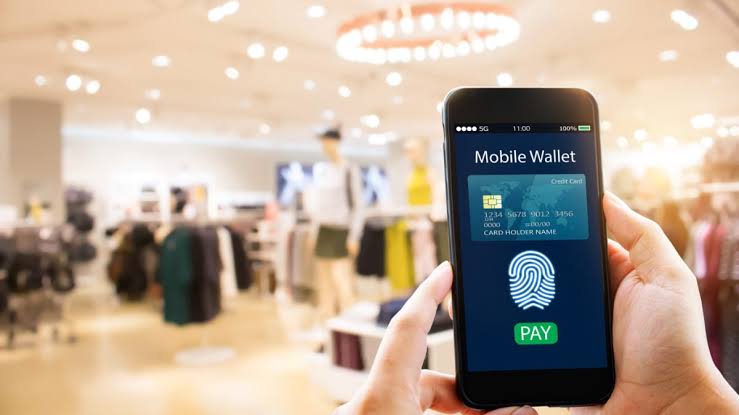
In this day and age, having a mobile wallet isn’t optional, it is practically a lifestyle. Some people can’t leave the house without it, while others treat it like a last-resort tool, only touching it when emergencies strike. Your wallet isn’t just a place to store money, it’s a record of your habits and how you navigate both opportunity and obligation. Whether you’re topping up airtime, paying a street vendor or sending money across borders, every action on the app reveals something about who you are and how you move through life.
In different parts of the African continent, wallet behavior has become a window into financial personality. The patterns are sometimes subtle, but each action tells a story. In a region where cashless payments are becoming increasingly normal, your wallet is quietly broadcasting your relationship with money, and your habits speak volumes.
The Cautious Saver
The Cautious Saver is a user who treats their wallet as a savings vault rather than a spending tool. They rarely make impulsive payments and prioritize long-term stability over instant gratification. They often prioritize features like scheduled transfers, goal-based savings and digital investment. Platforms like PalmPay offer features tailored for this audience, including recurring deposits and locked savings.
Cautious Savers usually end up being family anchors. In many households, money is shared widely, and a single misstep can have cascading effects. By managing digital funds prudently, savers balance personal security with social obligations. Their wallet behavior often includes careful monitoring and avoidance of high-risk transactions, reflecting a mindset grounded in both discipline and foresight.
Interestingly, this behavior also reflects broader economic realities. In countries with inflationary pressures or volatile currencies, storing value digitally offers a safer alternative to keeping cash at home. Savings are not just about accumulation, they are about preserving purchasing power, managing household responsibilities and preparing for uncertainty.

The Impulsive Spender
Contrasting the cautious saver is the Impulsive Spender, whose wallet seems constantly in motion. Every notification triggers a response, whether it be topping up airtime, paying for roadside food or sending money to friends without hesitation. This behavior is often social as much as it is financial. Wallets serve as tools for generosity and instant engagement, with peer-to-peer transfers, social challenges and digital prompts encouraging this behavior. To cater to these users, fintech platforms incorporate instant transfers, QR payments and micro-cashback offers. Users in this category thrive on visibility and immediate social impact, so, for them, transactions are a way to maintain social presence.
However, impulsive behavior carries many risks. Without discipline, micro-transactions can accumulate into significant expenditure. Platforms have countered this with features like transaction limits, spending alerts and optional savings nudges, recognizing that this personality requires both freedom and gentle guardrails.
The Safety-Conscious User
Some users engage with mobile wallets with a heightened awareness of risk. The Safety-Conscious User meticulously verifies transactions, avoids high-risk features and limits transfers. They value security above all else, from two-factor authentication to PIN protections and regulatory compliance. This behavior is developed from both personal experience and environmental factors. Genuine concerns such as cybercrime, phishing scams and platform downtime exist in many regions, hence the rise of such careful users. Users under this category often extend their vigilance to others, educating family and friends on secure wallet practices and thereby shaping broader trust in mobile financial ecosystems.
Also, this personality type impacts fintech adoption. Platforms that fail to demonstrate robust security measures risk losing credibility. And, in economies where digital payments are still gaining trust, these users are a critical barometer for reliability.
The Strategic Multi-Wallet User
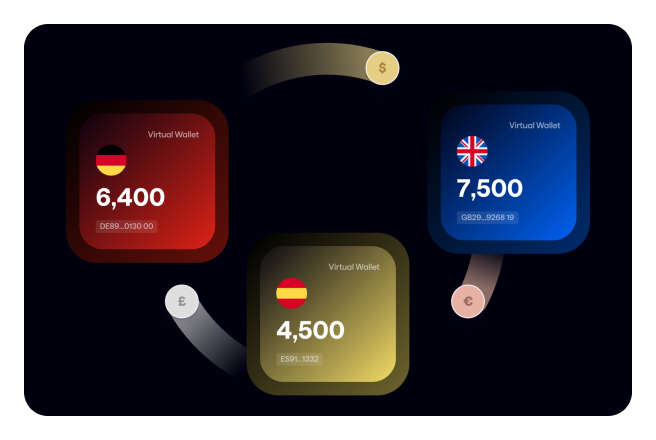
Some users manage more than one wallet, creating a digital portfolio to balance risk, optimize rewards and manage different financial objectives, all at the same time. One wallet may be dedicated to savings, another to peer-to-peer transfers, a third to international remittances, the list goes on. This behavior is very strategic, as users diversify across platforms to shield themselves from downtime, fees and regional network variations. It reflects adaptability and foresight in navigating a complex financial landscape. Multi-wallet users also tend to monitor features, seek the best value across platforms and demonstrate an analytical approach to digital money management.
In practical terms, strategic multi-wallet management is often influenced by local realities such as varying transaction fees and service reliability. By segmenting funds across platforms, users optimize convenience, security and efficiency, illustrating a sophisticated digital financial strategy.

The Emergency-Only User
Some wallets are engaged only when necessity calls. The Emergency-Only User maintains minimal funds in their digital accounts and interacts infrequently. This behavior reflects a deliberate balance between convenience and risk, keeping wallets as backup tools rather than daily instruments for engagement.
Emergency-only behavior is particularly prevalent in areas with inconsistent internet coverage or among users who still rely heavily on cash. Digital transfers are reserved for urgent needs such as medical emergencies, sudden travel costs or unexpected family obligations. While this may seem conservative, it highlights deliberate financial prioritization and risk management. This behavior also underscores the hybrid nature of finance in Africa. Many users oscillate between digital and cash systems, using wallets for reliability and cash for flexibility.
The Reward-Seeker
Some users are simply motivated by incentives. Cashback and discounts influence their decisions, making every transaction an opportunity to maximize value. Various fintech platforms often incorporate gamification, rewards and promotions, thereby encouraging users to remain engaged.
The Reward-Seeker behavior reflects a mix of strategy and playfulness. Users leverage offers to stretch financial value, with their engagement being participatory, interactive and sometimes competitive. Their patterns can also enhance financial literacy, as users actively evaluate cost-benefit scenarios, learning to optimize transactions for maximum gain.
The Cross-Border Connector
Mobile wallets can also serve as bridges across countries, facilitating seamless financial connections in an increasingly globalized world. The Cross-Border Connector frequently sends or receives funds internationally, navigating exchange rates, transaction fees and regulatory differences with ease. This user type illustrates the intersection of personal responsibility and global connectivity, as they maintain ties with relations of all kinds across borders. Cross-border transfers are particularly crucial for African economies, where remittances contribute billions of dollars annually, thereby supporting households, small businesses and local communities. Users in this category prioritize speed, security and cost-effectiveness, amongst others, often comparing platforms and timing transfers to optimize outcomes. Their wallet behavior reflects not only social commitment but also financial sophistication, demonstrating a keen understanding of both economic landscapes and the tools that can maximize the impact of their transactions.
Your Wallet, Your Story
Mobile wallets reveal patterns of behavior that go beyond simple transactions. Recognizing these patterns is useful for users seeking better money management, fintech developers designing effective platforms and even regulators aiming for secure financial systems. Every transaction or balance check tells a story of personal habits, social interactions and economic participation.
In our rapidly digitizing economy, understanding wallet behavior is understanding modern life. Your wallet may not speak, but it broadcasts your choices clearly. How you use it reveals who you are, what you value and the life you are building, one tap at a time.