Four Foods That Dwarf Brussels Sprouts And Associated With Vitamin C
While Brussels sprouts offer a good dose of vitamin C, many other common foods provide even higher amounts, crucial for immune health, collagen production, and antioxidant defense. Discover top sources like red bell peppers, guava, broccoli, and kale, and learn how a varied diet can optimize your daily vitamin C intake.:max_bytes(150000):strip_icc()/Health-GettyImages-2226913252-6b98c1cfb4da4bd79238d00eeeb03f5a.jpg)
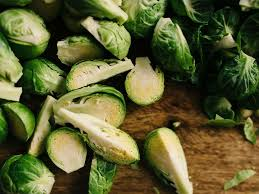
Brussels sprouts are recognized as a substantial source of vitamin C, an essential nutrient vital for supporting immune health, facilitating collagen production, and providing antioxidant protection.
While 100 grams of raw Brussels sprouts (approximately 1 cup) offers about 85 milligrams of vitamin C, nearly fulfilling most adults' daily requirements, many other foods provide even greater amounts per serving, offering diverse options to meet daily needs and add variety to the diet.
Several foods stand out for their exceptionally high vitamin C content, surpassing that of Brussels sprouts. Among these, red bell peppers are one of the most concentrated sources available.
A 100-gram serving of raw red bell peppers contains an impressive 140 milligrams of vitamin C, nearly double the amount found in Brussels sprouts.
This robust vitamin C supply from bell peppers not only bolsters immune function and maintains skin integrity but also provides natural carotenoids that act as potent antioxidants, supporting overall cellular health.
Red bell peppers are remarkably versatile and can be enjoyed raw with dips, sliced into salads, roasted as a flavorful side, or incorporated into stir-fries, fajitas, and pasta dishes.
Their natural sweetness makes them particularly palatable even when raw.
Guava is another source of vitamin C, recognized as one of the richest dietary sources. Just 100 grams of guava delivers a remarkable 228 milligrams of vitamin C, with a single fruit containing approximately 125 milligrams.
This exceptionally high content is crucial for robust immune function and plays a significant role in shielding cells from oxidative stress, which results from an imbalance between antioxidants and destructive free radical molecules.
Beyond vitamin C, guava also offers valuable fiber, contributing to digestive health and promoting a feeling of fullness.
It can be consumed fresh, blended into smoothies, or used to create sweet-tart salsas and sauces that complement savory dishes.
Broccoli, a close botanical relative of Brussels sprouts, also offers a slightly higher vitamin C content when eaten raw, providing about 90 milligrams per 100 grams, or 82 milligrams in a 1-cup serving.
While cooking can diminish vitamin C levels, light steaming or roasting can effectively preserve much of its nutritional value.
Broccoli is also rich in other antioxidants and fiber, making it a highly nutrient-dense addition to various meals, including stir-fries, roasted vegetable medleys, and salads.
Kale, another leafy green, provides approximately 93 milligrams of vitamin C per 100 grams when raw, making it a higher source by weight than Brussels sprouts, though its density means a 1-cup serving provides less (23.4 mg).
In addition to vitamin C, kale is a good source of vitamin K and various plant compounds that support both heart and bone health.
It can be massaged into salads to tenderize it, blended into smoothies, or lightly sautéed as a nutritious side. Incorporating both raw and cooked kale into your diet can help maximize its diverse nutritional benefits.
Vitamin C's importance extends beyond just immune support. As an essential nutrient, it is indispensable for your body's ability to produce collagen, a vital protein for healthy skin, joints, and connective tissues.
Also, its role as a powerful antioxidant means it actively protects cells from damage caused by free radicals.

Since vitamin C is water-soluble and not stored in significant quantities within the body, a consistent intake through diet is crucial.
Individuals who smoke, experience nutrient malabsorption issues, or consume a diet lacking variety face an elevated risk of vitamin C deficiency.
While Brussels sprouts are indeed a healthy option, embracing a wide array of fruits and vegetables is the most effective strategy to ensure adequate vitamin C intake while simultaneously benefiting from a broader spectrum of essential nutrients.
Beyond the highlighted foods, numerous other sources contribute significantly to vitamin C intake.
These include oranges and orange juice, grapefruit and grapefruit juice, kiwifruit, strawberries, tomatoes and tomato juice, cantaloupe, cabbage, and cauliflower.
Consciously adding a variety of these vitamin C-rich foods—such as peppers, kiwi, berries, and leafy greens—into your daily meals can effectively boost your vitamin C intake, diversify your diet, and make healthy eating a more enjoyable and sustainable practice over time.