Vaaris Energy Is Buying Shell’s Nigerian Gas Business. What to Know About the Company
Vaaris Energy is buying Shell’s Nigerian gas distribution business, raising questions about the company’s background, its growing oil and gas portfolio, and Shell’s exit strategy.
Shell has agreed to sell its entire interest in Shell Nigeria Gas Group to Vaaris Energy Limited, a Nigerian company.
The deal hands over a gas distribution business that has served industrial and commercial customers in Nigeria for more than 25 years. It is also subject to regulatory conditions and approvals.
What Is the Shell Nigeria Gas Sale About?
Shell Petroleum B.V. signed the agreement and announced it on Tuesday. The sale covers Shell Nigeria Gas Holding B.V., which was established in 2019 and holds all but one of the shares in SNG Limited.
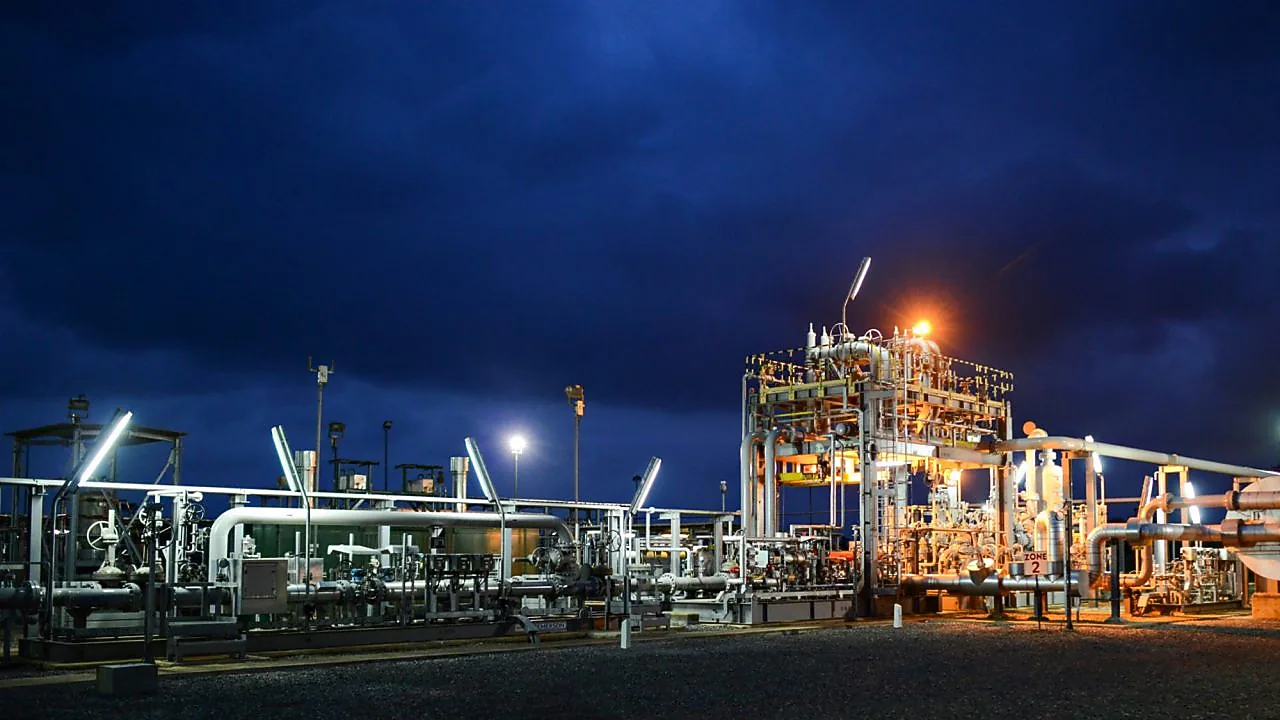
SNG was established in 1998 and supplies natural gas to factories and commercial users through about 170 kilometres of pipeline across Ogun, Abia and Rivers states.
The business does not handle upstream gas production, liquefied natural gas or international gas trading. Shell says SNG will keep serving customers and operating as usual until the transaction closes. The sale price has not been made public.
Who Is Vaaris Energy?
Vaaris Energy is a Nigerian energy company with interests across the oil and gas value chain. It has an existing operational presence in the country.
Its public profile is still fairly new, and the name has appeared in deal reports under slightly different corporate labels. One of them is Vaaris Resources JV Co. Limited, which was incorporated in Nigeria on December 22, 2025.
The company first drew wide attention in January 2026, when TotalEnergies agreed to sell its 10% non-operated interest in the Renaissance Joint Venture to Vaaris. That joint venture was formerly the Shell Petroleum Development Company (SPDC) JV and holds 18 licences in the Niger Delta.
Austin Avuru, the former chief executive of Seplat Energy who stepped down in 2020, is reportedly at the centre of the company.
Vaaris Energy seems to buy what international oil companies are letting go. The TotalEnergies deal still needs regulatory approval. It follows the failed Chappal Energies purchase of the same stake, whose approval was withdrawn by the upstream regulator a year after it was granted.
The Shell gas deal should expect similar scrutiny.
Why Is Shell Selling Its Nigerian Gas Business?
Shell says the sale fits its strategy of simplifying its portfolio and concentrating investment where it has competitive strengths. In Nigeria, those strengths are deepwater production and integrated gas, including its interest in Nigeria LNG.
A regional pipeline distributor serving industrial clients sits outside that circle.
The sale is also not in void. Shell sold its onshore Niger Delta oil business to the Renaissance consortium in 2025 for about $2.4 billion. This sale came after years of oil theft, pipeline vandalism, spills and legal claims made onshore operations costly and risky.

SNG is a small, stable business, but it is minor next to Shell’s LNG and deepwater positions, which makes it an easy asset to let go.
Is Shell Leaving Nigeria for Good?
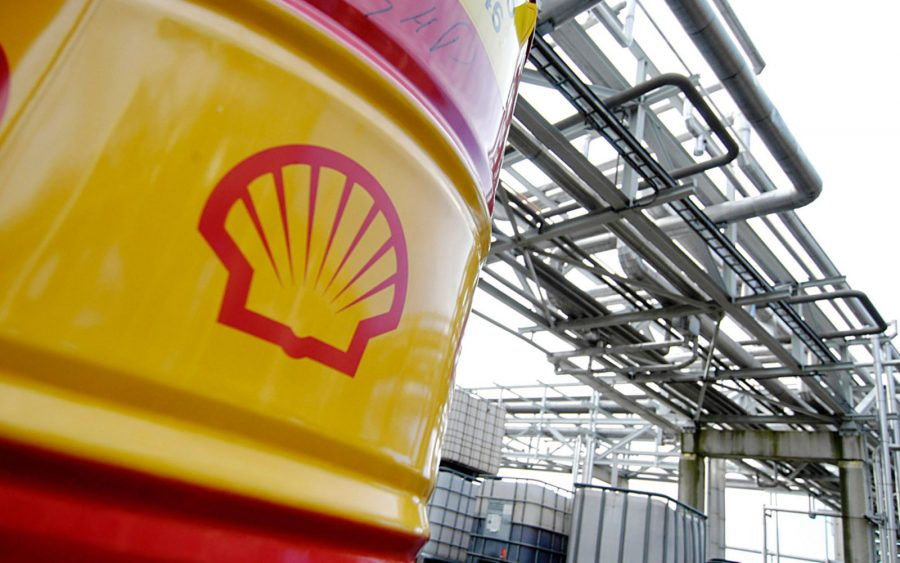
Shell is not leaving Nigeria for good. It says it remains focused on strategic deepwater and integrated gas positions in Nigeria, and its stake in Nigeria LNG remains central to that.
What is ending is Shell’s role as a direct supplier of piped gas to Nigerian businesses, not its presence in the country.
What the Shell Gas Exit Means for Nigeria
For supporters of local ownership, the deal is a good sign. Nigerian-owned operators taking over assets fits the push for local content and a bigger role for domestic gas in the powering industry.
Customers in Ogun’s manufacturing belt, as well as in Rivers and Abia, depend on reliable gas for power and process heat. If Vaaris invests in the pipelines and expands the network, supply could improve.
The risks exist. Vaaris has to prove it has the capital, technical depth and safety standards that a major like Shell brings.
Customers will watch closely for changes in pricing, supply reliability and contract terms. Pipeline integrity is another concern, since gas networks run on maintenance and steady investment, not just ownership.
Does Another Investor Leaving Hurt Nigeria?
Each exit raises questions about investor confidence. TotalEnergies is leaving the onshore Renaissance JV, Shell has already left onshore oil, and now it is leaving gas distribution.
Critics read this as international majors losing faith in Nigeria’s operating environment, while citing insecurity, regulatory delays and reversals like the Chappal approval withdrawal.
Supporters see it as an asset rotation, where majors move capital into deepwater and LNG projects while Nigerian firms take over mature assets they are better placed to run.
The strongest case for this view is that Shell and TotalEnergies are not leaving the country entirely.
What to Watch Next in the Vaaris Energy Deal
There are four things that will show how this plays out.
First, whether regulators approve the transaction and how long it takes to close. Second, the final price which is yet to be disclosed. Third, whether Vaaris plans to extend the 170 kilometres of pipeline beyond Ogun, Abia and Rivers. And lastly, whether the company can finance a growing portfolio that now spans upstream oil stakes and gas distribution
Until the deal closes, SNG customers should see no change in service. After that, Vaaris Energy’s record as an operator will matter far more than its name.