Zimbabwe, US Discuss Deeper Trade and Investment Cooperation
Zimbabwe and the US are deepening economic ties, with proposed high-level visits, a congressional-business delegation and growing interest in trade and critical minerals.
High-level engagements between Zimbabwe and the United States have recently intensified, marked by discussions on the sidelines of the United Nations General Assembly in New York. A notable meeting occurred between Zimbabwean President Emmerson Mnangagwa and US Republican Congressman Marlin Stutzman of Indiana.
These engagements, according to Zimbabwean officials, focused on strengthening bilateral relations, with both sides exploring the possibility of high-level visits between Harare and Washington.
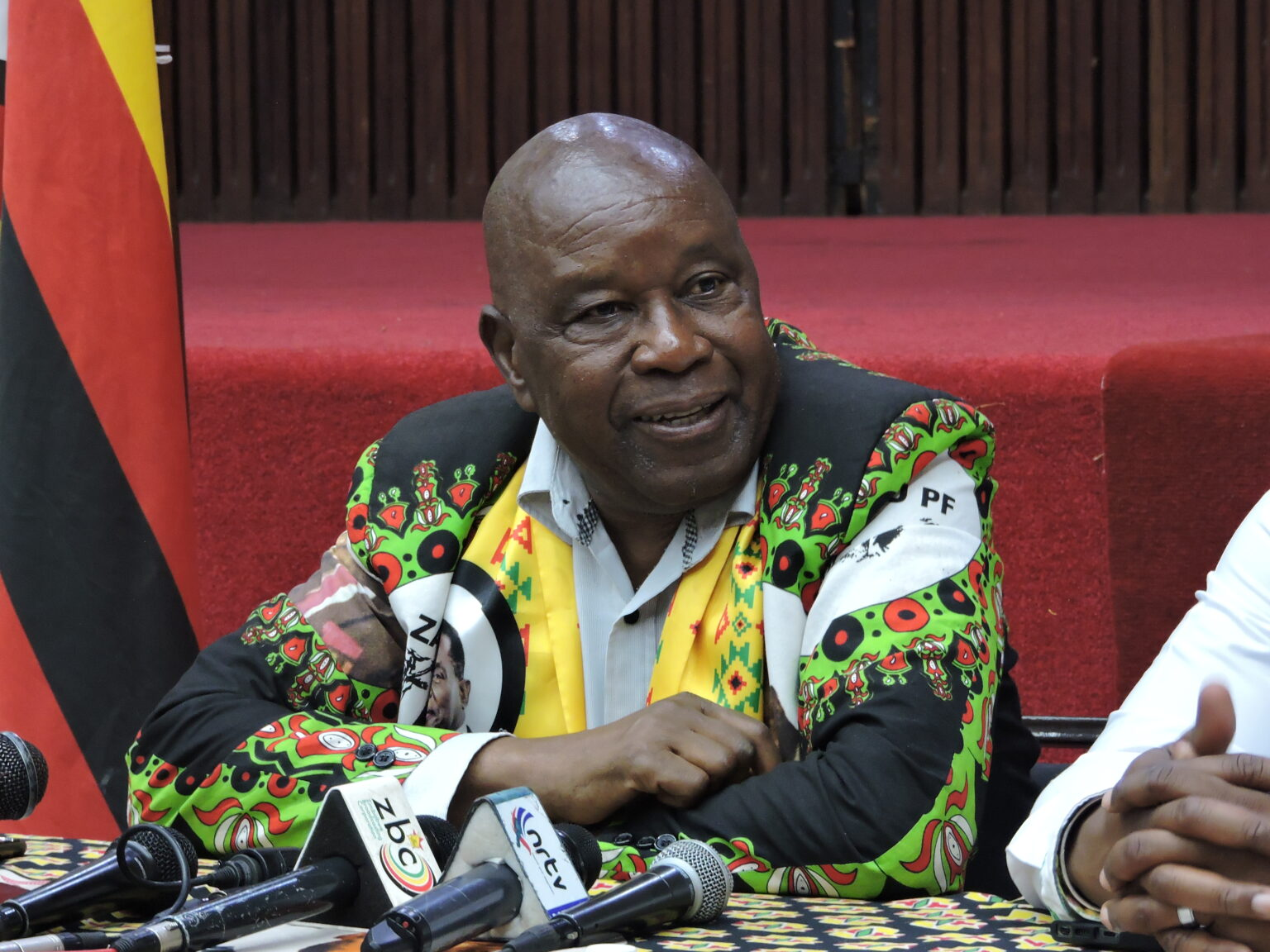
Ambassador Chris Mutsvangwa confirmed these developments, noting Congressman Stutzman's specific travel to New York for the meeting with President Mnangagwa.
Following his report back to President Trump, Congressman Stutzman quickly proposed an "impromptu congress-cum-business delegation to Zimbabwe," indicating a potential shift in US engagement.
The economic dimension of these discussions is equally significant, as President Mnangagwa utilized his New York program to interact with the US business community, highlighting Zimbabwe’s investment opportunities.
Subsequent discussions between Zimbabwean and US officials have continued to revolve around expanding commercial cooperation.
These latest developments signal an evolving approach in Washington’s economic engagement with Zimbabwe, increasingly emphasizing trade, investment, and strategic resources, particularly critical minerals, rather than traditional aid.
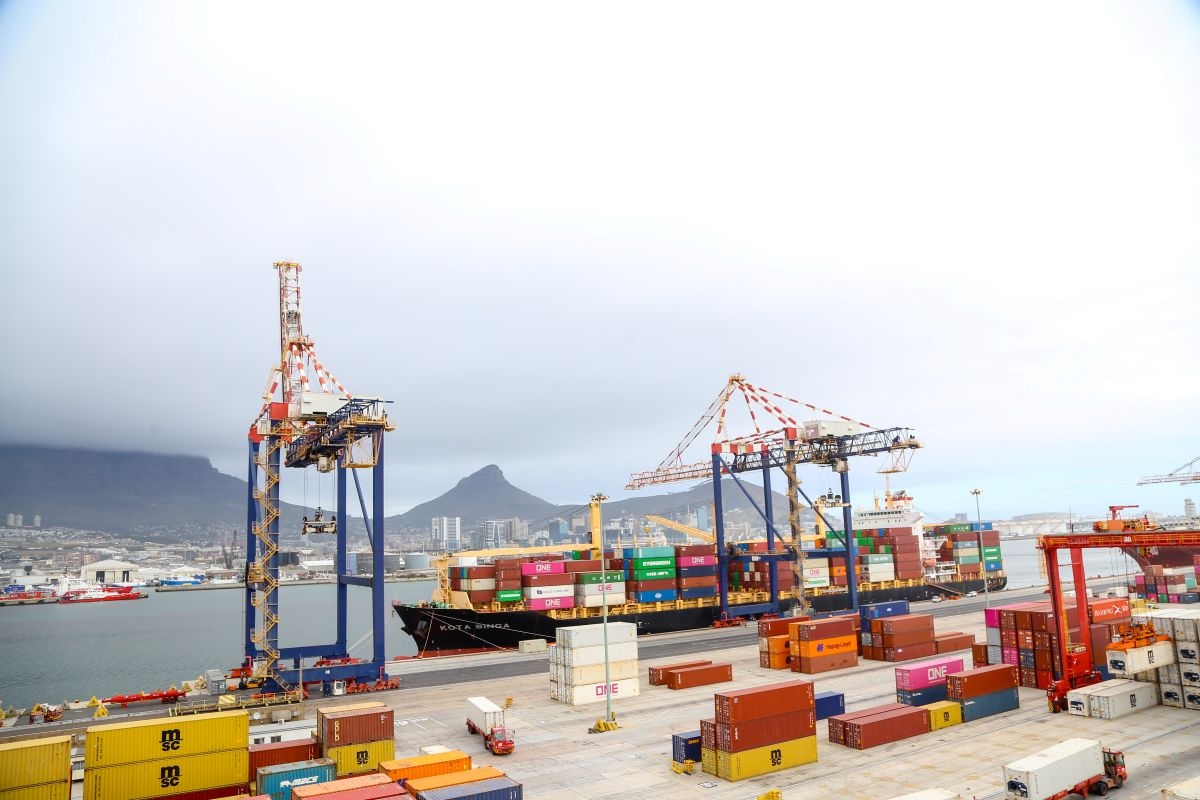
A concrete example of this shift is Zimbabwe's allocation of 813 metric tonnes of raw cane sugar under the US Fiscal Year 2027 tariff-rate quota system, which allows sugar entering within the quota to benefit from lower in-quota tariff treatment.
While this doesn't instantly make Zimbabwe a major US trading partner, it represents a notable advancement.
US trade data reveals that total US goods and services trade with Zimbabwe reached an estimated US$510.6 million in 2025, marking a significant 19.8% increase from 2024.
This progress in Harare unfolds against a complex diplomatic backdrop in Southern Africa, particularly concerning US relations with Pretoria. South Africa's Department of International Relations and Cooperation has issued a third démarche to US Ambassador Leo Brent Bozell III within nine months, prompting parliamentary scrutiny.
Despite these tensions, South Africa remains an important US trade and investment partner, with both governments maintaining diplomatic engagement. The disputes, however, underscore existing strains in the relationship, creating a contrasting regional context for Zimbabwe’s diplomatic overtures.
For Zimbabwe, the proposed US Congressional and business delegation, if it materializes, offers a crucial opportunity to translate diplomatic engagement into tangible economic benefits. Harare aims to secure investment, create jobs, facilitate technology transfer, expand exports, and forge stronger economic partnerships.
This aligns with President Mnangagwa’s "engagement and re-engagement" strategy, under which Zimbabwe has long sought relief from Western sanctions and actively pursued dialogue with Western nations.
The ultimate test for Zimbabwe, as highlighted by observers, will not simply be receiving American officials but effectively converting this renewed American interest into concrete economic opportunities for its people, potentially opening a new chapter in Zimbabwe–US relations.
Despite the promising outlook, crucial details remain unconfirmed. The White House has not yet issued official confirmation or a timeline for
Information regarding participants, the precise scope of the visit, or any potential outcomes is still pending further developments.
This leaves a pivotal question for Zimbabwe’s strategic positioning: Is the nation truly aligning itself for a more prominent economic role in Washington’s Southern African strategy, or is it still too early to make such a definitive assessment?