US Regulators Drop BOMBSHELL Clarification on Blockchain Securities
US banking regulators, including the Federal Reserve, FDIC, and OCC, have issued joint guidance clarifying that tokenized securities will face the same capital requirements as traditional assets. This 'technology neutral' approach aims to remove regulatory uncertainty, encouraging traditional finance to adopt blockchain technology for real-world assets, though strict risk management remains essential.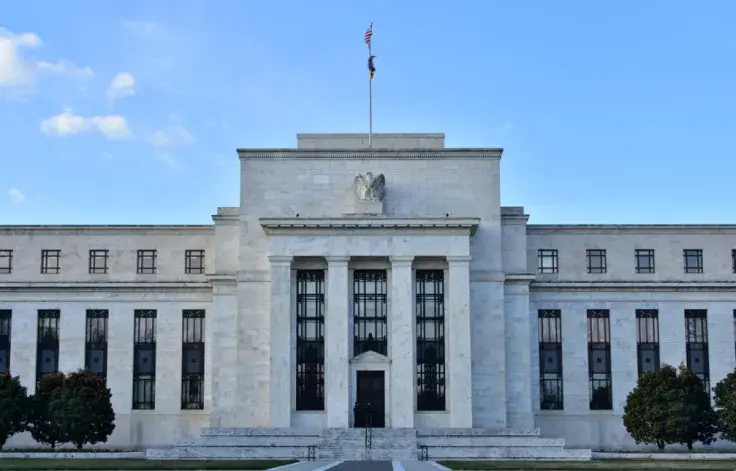
The United States' top banking regulators have now provided crucial clarification on how financial institutions should approach tokenized securities. On March 5, the Federal Reserve Board, the Federal Deposit Insurance Corporation (FDIC), and the Office of the Comptroller of the Currency (OCC) jointly issued guidance confirming a pivotal stance: blockchain-based securities will be subject to the identical capital requirements as their traditional, non-tokenized counterparts.
This new guidance underscores a 'technology neutral' approach to regulatory capital rules. The agencies explicitly stated that the fundamental regulatory framework is indifferent to the specific technology employed for issuing or recording an asset. This means that the methods used for issuing a security, whether on a blockchain or through an old-school legacy database, do not alter its key financial characteristics or the capital treatment it receives. Consequently, banks and other financial institutions holding eligible tokenized assets will not face additional capital buffers simply because these assets reside on a blockchain infrastructure.
The clarification marks a significant turning point for traditional financial institutions. Prior to this update, many banks found themselves in a state of regulatory uncertainty, hesitant to seriously explore or experiment with tokenizing real-world assets (RWAs) due to concerns about potential penalties from regulators in the form of heavy capital buffers. By effectively removing this regulatory guesswork, the combined efforts of the Fed, FDIC, and OCC have provided a substantial 'green light' for traditional finance to more confidently adopt blockchain technology and engage with tokenized assets.
However, the regulators were careful to stipulate that this is not an open invitation for unchecked experimentation. While the capital treatment is now clear, banks that choose to delve into tokenized assets are still firmly on the hook for implementing and maintaining strict risk management practices. This ensures that while innovation is encouraged, the stability and safety of the financial system remain paramount.