Unprecedented Heatwave Grips Europe: Millions Swelter in Record Temperatures
Europe is currently experiencing a severe heatwave, with widespread high temperatures across Western, Southern, and Eastern regions, impacting countries like France, Spain, Italy, and the UK. This extreme weather has led to significant droughts, strained energy systems, fueled wildfires, and even caused anomalies like a jellyfish invasion affecting France's nuclear power. Scientists link the increasing frequency of such fire-prone conditions to climate change, marking Europe as the world's fastest-warming continent.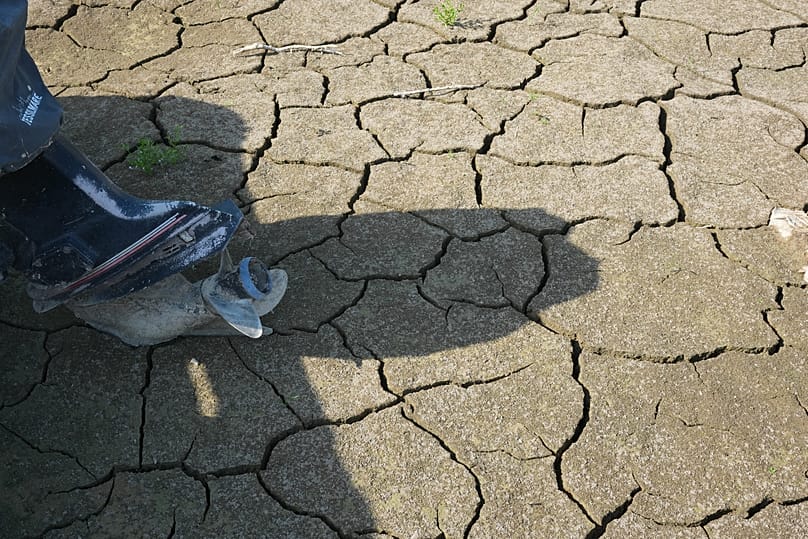
Europe is currently grappling with yet another severe heatwave, with forecasts indicating that over half of the continent's population will experience temperatures exceeding 30 degrees Celsius on Wednesday. A substantial portion, home to at least 92 million people, is expected to endure temperatures above 35 degrees Celsius. The most intense heat is concentrated across Western and Southern Europe, with countries like France, Italy, and Spain facing the most significant impact.
In Spain, a large part of the country is under alert, with temperatures projected to rise above 35 degrees Celsius from the northwest to the southeast. Similarly, France anticipates comparable temperature levels in various regions, though cooler conditions are expected in the northeast and mountainous areas. France's nuclear power generation capacity suffered a 20% shortfall on Wednesday. French newspaper Le Monde attributed this record outage to a combination of drought, extreme heat, and a jellyfish invasion that clogged the cooling pumps for the reactors. Experts suggest that overfishing, plastic pollution, and warmer waters, all linked to climate change, have created favorable conditions for jellyfish reproduction.
The heatwave's effects are also evident in Italy, where drought has severely impacted water bodies, exemplified by boats resting on a dried riverbed at a tourist dock along the Po river, as observed on August 10, 2026. The extreme heat extends into the Balkans, particularly Greece and the Adriatic coast. Persistent high temperatures across these regions have led to severe drought, which in turn strains national energy systems, damages crops, and fuels wildfires.
Wildfire warnings remain active for large parts of Scotland, as reported by several British media outlets. In response to the extreme heat, the UK government is preparing to convene an emergency Cobra committee, marking its second such meeting this year after a previous one in June, to be chaired by Prime Minister Andy Burnham. The Met Office, the UK's national weather service, issued an Amber Extreme Heat Warning via X, forecasting rapid temperature increases on Wednesday, with many areas reaching over 35°C and potential highs of 36-37°C, especially across the Midlands, east, and southeast. The United Kingdom is on track to record its "warmest summer on record."
Europe has been identified as the world's fastest-warming continent, with the initial two months of summer characterized by successive heatwaves, scorching temperatures, and prolonged bone-dry conditions. This summer, France and Spain have battled their worst infernos in living memory. Other nations in Europe, along with the US northwest and Canada, have also experienced serious blazes. Scientists warn that the frequency of extreme fire-prone weather in Europe is increasing due to climate change.