Unearthing the Terrifying Truth: The BBC Horror Anthology Deemed 'Too Scary' for Broadcast
Discover the terrifying legend of <em>Late Night Horror</em>, a 1960s BBC series so chilling it was canceled and nearly wiped from existence. This article explores its controversial production, the fierce public backlash, and the exciting rediscovery of two purportedly horrifying episodes, fueling its enduring cult status.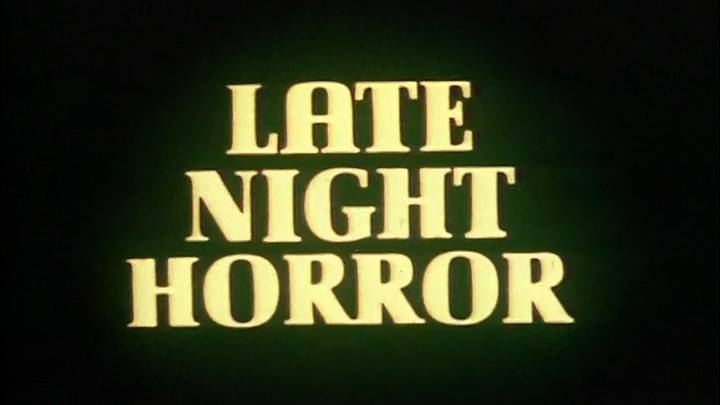
In the late 1960s, a British Broadcasting Corporation (BBC) series titled Late Night Horror aired six episodes, quickly becoming the subject of chilling legend. The show was reportedly so terrifying that it was not only canceled but nearly erased from existence, with most of its original tapes destroyed. This mysterious disappearance fueled speculation among horror enthusiasts: was the series truly so frightening that it warranted such drastic measures?
The creators of Late Night Horror intended for the show to shock and provoke. Producer Harry Moore, a visionary in the horror genre, famously instructed his staff with a memo ahead of production, stating, “We must do everything we can from the very beginning to stimulate suspense, tension, atmosphere, potential horror and HORROR! If there is blood, let’s see the blood.” The series featured a diverse team of directors, including Paddy Russell, who made history as the BBC’s first female floor manager. Russell, known for her strong will, reputedly rebuffed accusations that she couldn’t direct “like a man,” asserting her intention to direct “like herself.”
Premiering in 1968, Late Night Horror received mixed reviews and was swiftly canceled. British Film Institute curator Dick Fiddy noted that the BBC was likely "worried about the area it was going," implying that the show's graphic content contributed significantly to its early demise. Indeed, contemporary accounts suggest a strong backlash; a disgruntled viewer’s letter published in the Radio Times expressed horror and confusion regarding the BBC’s choices. Further anecdotes, possibly amplified by Moore’s dramatic flair, described BBC technicians buckling at the knees and staff resorting to vomiting during filming due to the show’s intensity.
Following its cancellation, Late Night Horror largely faded from public memory. Most of its episode tapes were systematically destroyed as part of the BBC’s extensive archive purge between the 1950s and 1970s, a cost-saving measure driven by budget limitations and taxpayer funding. Despite this widespread destruction, a dedicated few remembered the series.
Among them was vintage TV collector Chris Perry, who in 1985 narrowly missed acquiring a tape of the episode “The Corpse Can’t Play” when its anonymous seller vanished. Renewed public interest in the show sparked in 2007 after a BBC News program reported its cancellation was due to it being “too scary.” Finally, in 2016, Perry successfully tracked down a tape of “The Corpse Can’t Play” on eBay. The episode, which depicts a boy bullied at a birthday party for his father’s death before the lights go out, was publicly screened in 2017 for the first time in five decades. While modern viewers generally agree it doesn't match contemporary horror in scare factor, they acknowledge its capacity to genuinely frighten audiences in the 1960s.
The search for lost episodes continued, and in 2026, another significant discovery was made. The episode “No Such Thing as a Vampire,” based on a story by Richard Matheson, was uncovered in a storage area within The Regent, a 1930s-era cinema in Dorset, England. This episode, featuring a sharp-toothed Transylvanian man, was publicly screened in September of the same year it was found, further adding to the show’s slowly resurfacing legacy.
As of now, the remaining four episodes of Late Night Horror remain lost, though their names and plots are known. “William and Mary,” an adaptation of a Roald Dahl story, concerns a brain kept alive in a jar. “The Triumph of Death” is a ghost story by H. Russell Wakefield set in a haunted mansion. “The Bells of Hell” adapts Robert Aickman’s story “Ringing the Changes,” and “The Kiss of Blood” is based on a Sir Arthur Conan Doyle story focusing on violent revenge. The enduring mystery and sporadic rediscoveries ensure that Late Night Horror continues to hold a unique, eerie place in television history.