Ukraine's Critical Choice: Poland Offers MiG-29 Jets for Drone Expertise
Poland has offered its remaining MiG-29 fighter jets to Ukraine, contingent on gaining access to Ukraine's advanced drone warfare expertise. This proposal comes with a tight deadline and highlights a significant shift in modern combat, where drone technology has become increasingly valuable amidst cooling diplomatic relations between Kyiv and Warsaw.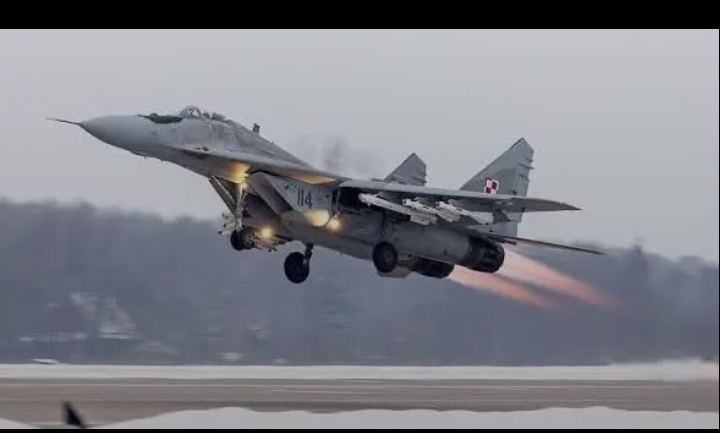
Poland has presented Ukraine with a limited timeframe to accept an offer for its remaining MiG-29 fighter jets. This proposition, confirmed by Polish Defence Minister Władysław Kosiniak-Kamysz, comes with a strategic intent: Poland seeks to enhance defense cooperation by gaining access to Ukraine's cutting-edge expertise in drone warfare and battlefield innovation. A final decision is required in the coming weeks, with Kosiniak-Kamysz stating, "If this doesn’t work out—well, fine. Ukraine’s time on this matter is running out. A final decision must be made in the coming weeks."
Should Kyiv decline, Poland has indicated that these Soviet-era aircraft could instead be transferred to Bulgaria, where they would primarily be dismantled for spare parts. The timing of this offer is notable, as it reflects a significant transformation in the dynamics of the conflict. For years, particularly in the initial stages of Russia's full-scale invasion, Ukraine urgently requested MiG-29s when its smaller air force battled for survival, and every additional fighter jet was crucial.
However, the modern battlefield has evolved dramatically. Ukraine has emerged as a global leader in drone technology, developing one of the world's most advanced programs. This includes long-range strike drones capable of reaching targets deep within Russia, FPV (First-Person View) drones that now dominate front lines, and innovative capabilities engineered by Ukrainians that are currently being studied by militaries worldwide. Ironically, this very expertise, forged through three and a half years of immense sacrifice, innovation, and war, is now what Poland desires.
The negotiations are also unfolding amidst a period of cooling relations between Kyiv and Warsaw. Political disputes and an increase in anti-Ukrainian rhetoric in parts of Poland have strained the partnership, further exemplified by recent incidents such as an assault on a Ukrainian-speaking couple. While political leaders bear the responsibility of de-escalating tensions, it is imperative to acknowledge Poland's unwavering support for Ukraine since the full-scale invasion, providing crucial weapons, humanitarian aid, and sanctuary for millions of refugees.
This complex situation underscores that partnership is a two-way street. Ukraine desperately needed these MiGs when Russian aircraft held greater air superiority. Today, the "center of gravity" has shifted, and Poland is now seeking the invaluable drone knowledge that Ukraine developed on the battlefield. This reality speaks volumes about how the conflict has progressed, highlighting the diminished centrality of traditional fighter aircraft and the ascendance of advanced drone technology and real-world combat experience as paramount assets.