Uganda's High-Stakes 2026 Presidential Race Heats Up
Uganda's 2026 presidential race is quickly gaining momentum, with over 175 aspirants picking nomination forms. Prominent opposition figures like NUP's Bobi Wine and DP's Norbert Mao have formally entered the contest, while the ruling NRM also prepares for President Museveni's re-election bid. The polls are set to be highly competitive, marked by a surge in independent candidates and critical nomination requirements.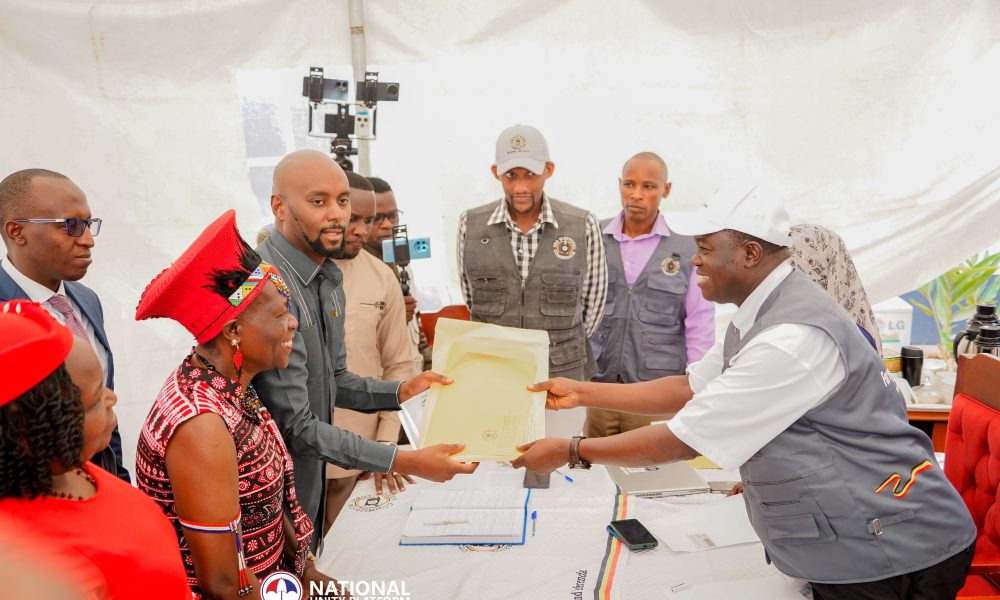
Uganda's political landscape is abuzz with activity as the nation gears up for the 2026 general elections, which are poised to be one of the most competitive and unpredictable contests in recent history. The Electoral Commission (EC) has reported a remarkable surge in presidential aspirants, with 175 individuals having collected nomination forms just one week after the window opened. This significant number underscores the dynamic nature of Ugandan politics, revealing a mix of established political parties and a notable rise in independent candidacies.
Among the prominent figures making early moves is Robert Kyagulanyi Ssentamu, popularly known as Bobi Wine, leader of the National Unity Platform (NUP). NUP members have formally collected presidential nomination forms on his behalf, signaling the party’s official preparation for him to seek a second term as NUP President. This move highlights NUP’s commitment to a structured and legally compliant approach to contesting the upcoming elections, reflecting the unity and resolve of its members. Bobi Wine continues to be a leading opposition figure, commanding substantial support across Uganda, particularly among young voters and urban areas. The NUP's early action aims to facilitate mobilization of its structures, supporter engagement, and the development of a comprehensive campaign strategy well ahead of the revised September nomination dates.
The ruling National Resistance Movement (NRM) was among the first to collect forms for President Yoweri Museveni, demonstrating the incumbent's intent to contest. Meanwhile, the Democratic Party (DP) has also formally entered the fray, with its President General, Norbert Mao, picking nomination forms to challenge President Museveni. Mao, who currently serves as Minister for Justice and Constitutional Affairs in Museveni’s government, had his forms collected by DP Secretary General Gerald Siranda. Siranda confirmed that Mao will represent the DP as its flag bearer, despite his current ministerial post. Ugandan electoral law requires public servants to resign before joining elective politics, but presidential aspirants have until a day before the official nomination date to do so. The EC has moved the nomination dates for presidential candidates to September 23–24, 2025, giving Mao until September 22 to step down from his government role.
The Electoral Commission mandates that presidential candidates must submit at least 98,000 signatures from registered voters across a minimum of 98 districts for official nomination. However, DP’s Siranda has called for legal amendments to exempt registered political parties from this demanding requirement, arguing that their existing registration and returns should suffice as proof of support. Other parties expressing interest in the presidency include the Conservative Party (CP), National Economic and Empowerment Dialogue (NEED), Uganda Economic Party (UEP) (which is rebranding as the Common Man’s Party), and Uganda People’s Congress (UPC).
Julius Mucunguzi, the Electoral Commission spokesperson, confirmed that these developments reflect a vibrant multiparty engagement, yet he also emphasized the significant surge in independent aspirants as a notable shift. Political analysts suggest that the high number of independents signals both opportunity and uncertainty. While Uganda's 2005 transition to a multiparty system allows parties to field candidates freely, it also enables individuals outside party structures to contest. This dynamic could potentially fragment votes and test traditional party loyalties, exposing a tension between the waning influence of parties and the growing popularity of charismatic individual candidates. This phenomenon is expected to reshape campaign strategies, urging parties to strengthen grassroots networks and engage more directly with voters. As the nation watches, the 2026 presidential race promises to test the durability of Uganda’s multiparty democracy, the appeal of the ruling government, and the capacity of opposition forces to consolidate support, ultimately redefining the country’s electoral landscape.