UAE Visa Ban on Ugandans Sparks Outcry, Threatens Tourism and Economy
The United Arab Emirates has imposed a temporary visa ban on Ugandan nationals for 2026, affecting tourist and work visas. This decision follows a BBC investigation into a trafficking network exploiting Ugandan women in Dubai, highlighting significant economic and social implications for Uganda, impacting labor migration, business, and tourism.
The United Arab Emirates (UAE)has officially added Uganda to its 2026 visa ban list, a decision that will prevent Ugandan nationals from obtaining new tourist and work visas for the Gulf state. This policy extends to nine other countries, including Afghanistan, Libya, Yemen, Somalia, Lebanon, Bangladesh, Cameroon, and Sudan. While Ugandan nationals already residing in the UAE with valid visas will remain unaffected, the ban is stated to be temporary, yet no specific timeline for its removal has been provided.
This significant development comes in the wake of a disturbing BBC investigation. The report exposed a sophisticated trafficking and exploitation network operating in Dubai, primarily targeting young Ugandan women. These women were reportedly lured to the UAE with false promises of legitimate employment opportunities, only to find themselves forced into exploitative sex work, burdened by heavy debt bondage, and subjected to degrading acts by wealthy clients. The tragic deaths of several women, including Monic Karungi, 23, and Kayla Birungi, have underscored and intensified concerns regarding the safety and well-being of Ugandan migrants within the UAE.
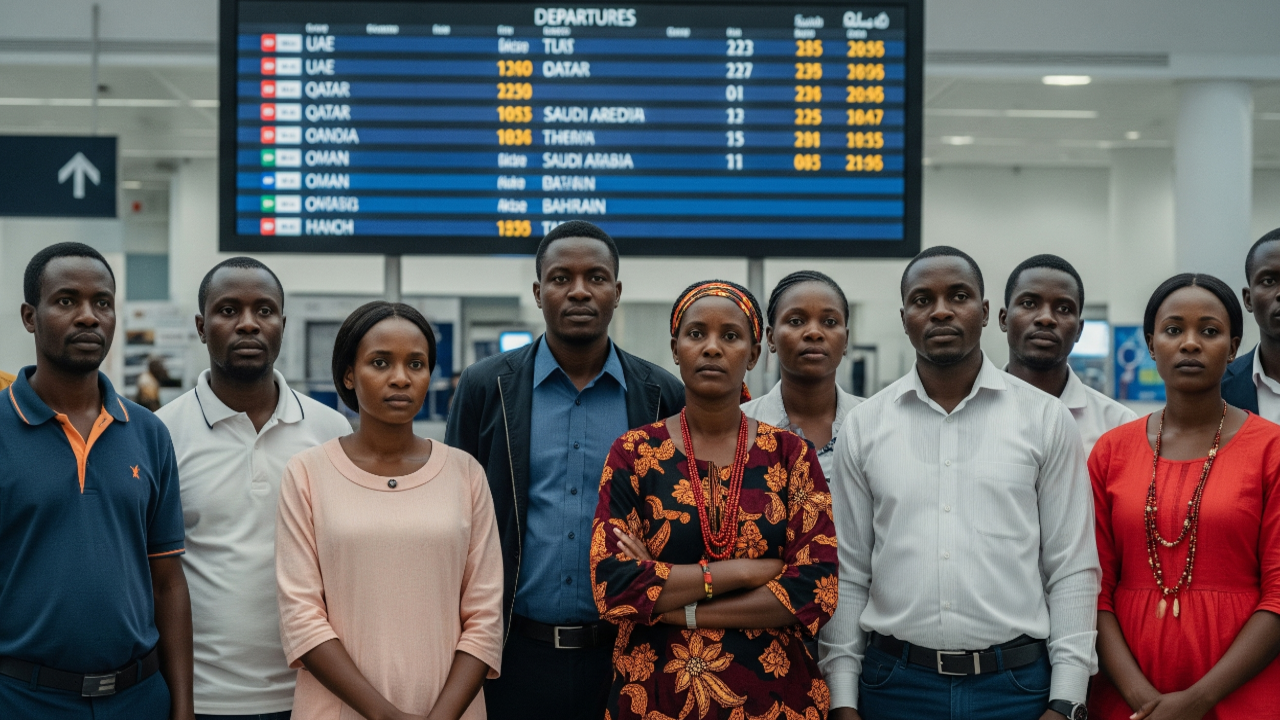
Photo Credit: Times of India
Uganda annually dispatches approximately 4,457 workers to the UAE, accounting for roughly 4.5% of its total migrant workforce. A significant portion of these individuals, predominantly women, are employed in critical domestic roles such as housemaids, drivers, security personnel, and cleaners. For many households in Uganda, remittances from these workers represent a crucial financial lifeline, contributing substantially to the national economy. Beyond labor migration, the UAE, particularly Dubai, is a pivotal hub in Uganda’s broader business and trade networks.
Numerous Ugandan merchants travel to Dubai to procure various goods, including electronics, jewelry, and clothing, for resale in their home country. Furthermore, Dubai stands as a popular luxury tourism destination for Ugandans, especially among middle-class families seeking leisure and upscale experiences. Consequently, the visa ban is set to disrupt not only employment opportunities but also vital business operations and tourism flows, leading to broader economic repercussions.
The implementation of this ban has ignited urgent calls for enhanced protections for Ugandan nationals seeking employment abroad. Diplomats and labor advocates have issued warnings that without robust safeguards and comprehensive oversight, vulnerable migrants may be pushed into unsafe and irregular migration channels, thereby escalating the risks of exploitation and trafficking.
While the Ugandan Ministry of Foreign Affairs has not yet released an official statement, it is widely anticipated that they will engage in diplomatic negotiations with UAE authorities. The objective of these discussions will be to mitigate the ban’s impact and explore potential exemptions or alternative solutions. Many observers believe that the ban was directly influenced by the BBC’s revelations of widespread abuse and trafficking.
For Uganda, a nation where labor migration to Gulf countries has historically provided a critical outlet for youth employment, this visa ban represents a substantial setback. Gulf remittances are an indispensable source of income for thousands of families, and the closure of this vital migration corridor threatens to exacerbate existing economic vulnerabilities.
While officials have reassured that nationals already residing in the UAE with valid visas will not be affected, the situation emphatically highlights the urgent necessity for sustained dialogue between Uganda and the UAE. Such discussions must focus on migrant welfare, business facilitation, and tourism access, effectively balancing the protection of national security and immigration integrity with the preservation of crucial economic and social ties.

Photo Credit: Google
For Africa’s broader travel and migration sectors, the UAE’s visa ban on Ugandans marks a critical juncture. It underscores the pressing need for renewed efforts to diversify labor migration destinations, strengthen migrant protections, and develop safer, more transparent recruitment and employment frameworks. The ban also serves as a stark reminder of the inherent risks faced by migrant workers and the paramount importance of international cooperation in the ongoing fight against trafficking and exploitation.
As Uganda navigates this challenging period, the wider African travel and labor markets will be observing closely. The ultimate outcome of diplomatic negotiations and policy adjustments will undoubtedly have far-reaching implications, not only for Ugandan migrants and businesses but also for regional migration patterns, remittance flows, and overall economic resilience across the African continent.