Tribalism in Nigeria: Should We Divide the Country or Stay as One?
Nigeria’s greatest strength is also its biggest challenge—diversity. As tribalism fuels division and debate over unity grows louder, the real question is not whether Nigeria should split or stay together, but whether it can finally rise above ethnic differences and build fairness, trust, and true national identity.
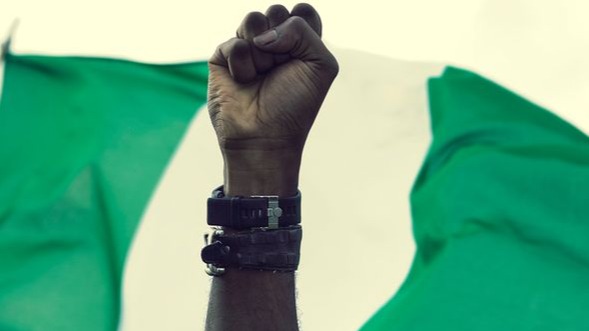
Nigeria is often described as the "Giant of Africa" due to its large population, economic influence, and cultural diversity.
The country is home to more than 250 ethnic groups, including the Hausa, Yoruba, Igbo, Ijaw, Tiv, Kanuri, and many others, each with its own unique language, traditions, and cultural heritage.
This diversity has contributed greatly to Nigeria's rich identity and has the potential to be a major source of national strength.
However, despite the benefits of diversity, tribalism has remained one of the country's most persistent social and political challenges.
Tribalism occurs when individuals prioritize the interests of their ethnic group above those of the nation as a whole.
Over the years, it has influenced political decisions, employment opportunities, business relationships, and even personal interactions.
Many Nigerians have experienced situations where tribal identity appears to matter more than merit, competence, or citizenship.
The effects of tribalism are often visible during elections, where politicians sometimes appeal to ethnic sentiments rather than presenting practical solutions to national problems.
It can also be seen in recruitment processes, appointments to public offices, and access to opportunities, where accusations of favoritism and ethnic bias frequently arise.
These issues have contributed to feelings of marginalization among some groups and have fueled debates about national unity.
As ethnic tensions continue to emerge in different parts of the country, some Nigerians have begun questioning whether the current structure of the nation is sustainable.
While some argue that dividing the country along ethnic or regional lines could reduce conflict and allow groups to govern themselves more effectively, others believe that unity remains Nigeria's greatest strength and that the real challenge lies in addressing injustice, inequality, and poor governance.
This ongoing debate raises a critical question: Should Nigeria remain united despite the challenges of tribalism, or would separation offer a better path toward peace, development, and stability? Understanding both sides of the argument is essential in evaluating the future of the country and the role tribalism plays in shaping it.
The Negative Impact of Tribalism on National Unity
Social Insight
Navigate the Rhythms of African Communities
Bold Conversations. Real Impact. True Narratives.
Tribalism remains one of the greatest obstacles to national unity and development in Nigeria.
It occurs when people place the interests of their ethnic group above the interests of the nation, often leading to division, prejudice, and unequal treatment.
While ethnic identity is a natural and important part of culture, problems arise when tribal loyalty becomes stronger than the sense of belonging to a united country.
Tribalism creates divisions among citizens by encouraging people to identify more with their ethnic groups than with Nigeria as a whole.
This can lead to stereotypes, distrust, and discrimination, making it difficult to build a strong sense of national unity.

It also affects politics, as some politicians exploit ethnic loyalties during elections instead of focusing on policies and development.
As a result, voters may support candidates based on tribal affiliation rather than competence, weakening democracy and increasing regional tensions.
In employment and public appointments, tribalism can lead to favoritism and discrimination, where opportunities are given based on ethnic connections rather than merit.
This discourages qualified individuals and creates feelings of unfairness among affected groups.
Tribalism also weakens trust in government and public institutions. When people believe resources and opportunities are distributed based on ethnicity, they become less confident in the system and less willing to cooperate with others.
Additionally, tribalism can slow national development. Instead of focusing on important issues such as education, healthcare, security, and economic growth, attention is often diverted to ethnic rivalries and divisions.
In severe cases, tribalism can cause conflicts and violence between ethnic groups. These conflicts can lead to the loss of lives, destruction of property, and slow down national development.
Overall, tribalism weakens national unity by creating division among people, and for Nigeria to grow and prosper, citizens and leaders must promote fairness, equality, and unity above tribal interests.
It has become common for many Nigerians to continue judging and dividing one another along tribal lines.
Tribalism is often seen as a form of discrimination similar to racism, and many people still experience it today.
Social Insight
Navigate the Rhythms of African Communities
Bold Conversations. Real Impact. True Narratives.
In some cases, individuals who hold personal grudges use tribal differences as a way to justify hostility, create division, or incite prejudice against others.
Arguments for Dividing the Country
Some Nigerians believe that dividing the country into smaller nations could be a solution to the challenges caused by tribalism, political tensions, and regional disagreements.
They argue that Nigeria's many ethnic groups have different cultures, histories, and priorities, making it difficult to govern the country effectively as a single nation.
One argument in favor of division is that it would allow ethnic groups to govern themselves according to their own values, traditions, and needs.
Supporters believe that self-governance would give regions greater freedom to make decisions that best serve their people without interference from other groups.
Another reason often given is the possibility of reducing ethnic conflicts, and many of the tensions and disputes in Nigeria stem from competition for political power, government positions, and national resources.
Those who support separation argue that independent regions may experience fewer ethnic rivalries because each group would have more control over its own affairs.
Supporters also believe that smaller nations could improve governance and accountability, and they argue that regional leaders would be more focused on addressing local challenges and responding to the needs of their citizens.
This could lead to better decision-making and more effective development policies.
In addition, some people believe that dividing the country would allow regions to manage their resources more directly.
Areas rich in natural resources could have greater control over how those resources are used and how the revenue is invested in infrastructure, education, healthcare, and economic development.
For these reasons, supporters of separation view division as a way to achieve greater political stability, reduce ethnic tensions, and promote regional development.
However, whether these benefits would outweigh the challenges of division remains a subject of debate.
Why Nigeria May Be Stronger as One Nation
Social Insight
Navigate the Rhythms of African Communities
Bold Conversations. Real Impact. True Narratives.
Many people believe that Nigeria is stronger and more capable of progress when it remains united as a single country.
One of the main arguments for unity is that Nigeria’s large population, diverse cultures, and vast natural resources give it a significant advantage on the global stage.
When combined, these strengths create a powerful economy and a large market that attracts both local and international investment.
Economically, a united Nigeria allows regions to share resources and trade, with each part of the country contributing through areas like agriculture, oil, commerce, and manufacturing.
This cooperation supports national growth and development in a way smaller countries may struggle to achieve.
Politically, unity gives Nigeria stronger international influence and representation, helping it take part more effectively in global decisions and partnerships.
Socially, unity helps promote national identity by encouraging people to see diversity as a strength. It supports equal rights and opportunities for all citizens, regardless of ethnicity.
However, for unity to be successful, there must be fairness, justice, and strong institutions.
Many argue that the real solution to Nigeria’s challenges is not division, but improving governance, reducing corruption, and ensuring equal opportunities for all citizens.
When people feel included and fairly treated, national unity becomes stronger and more meaningful.
Conclusion
The question of whether Nigeria should remain united or divide is not an easy one, and it continues to spark strong opinions across the country.
Tribalism has clearly created deep challenges, from inequality to political tension, yet breaking apart may not automatically solve these long-standing problems.
Ultimately, the real issue goes beyond unity or separation. Nigeria’s future depends on how well it can confront injustice, reduce corruption, and build systems that treat every citizen fairly.
If trust, inclusion, and equal opportunity can be strengthened, then unity becomes more than just staying together—it becomes a true foundation for peace, progress, and national identity.